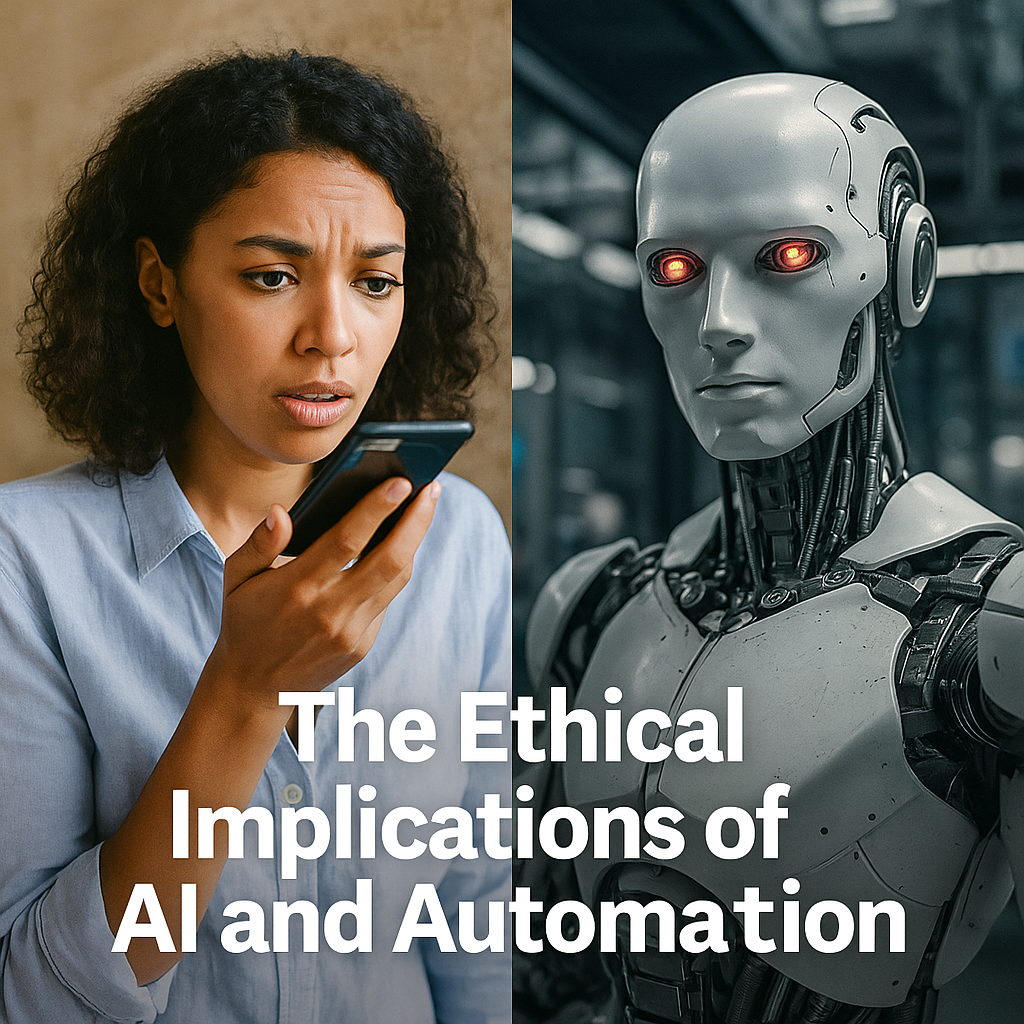
In today’s rapidly evolving business landscape, entrepreneurs and small business owners face the dual challenge of embracing innovation while upholding ethical standards. Artificial intelligence (AI) and automation offer powerful opportunities—from streamlining workflows to delivering personalized customer experiences. However, they also raise critical ethical questions. Understanding and addressing these concerns is essential for leaders determined to maintain trust and integrity in the digital age.
Navigating the New Frontier of AI and Automation
The swift integration of AI into business operations has sparked a complex debate over the role of technology in society. While many innovators champion the benefits of operational efficiency and reduced human error, the ethical implications of AI reach far beyond mere productivity gains. Questions regarding data privacy, bias in AI-driven decisions, and job displacement compel leaders to look beyond immediate business advantages and consider the long-term societal impacts of these technologies.
As businesses increasingly rely on AI, they must ask: How can we design systems that bolster human potential while ensuring fairness, transparency, and accountability? Responsible AI ethics are not a transient trend—they represent a foundational element of sustainable business practices in our modern era.
Understanding the Societal Challenges
The ethical challenges posed by automation affect entire communities and economies. While technology can create innovative roles and opportunities, it can also contribute to job displacement and widen economic disparities if not implemented responsibly. Business owners must balance leveraging technology for competitive advantage with the duty to protect vulnerable populations.
Influential media outlets, such as Forbes, have highlighted the tension between rapid innovation and ethical accountability. By committing to ethical practices, companies can build trust and differentiate themselves in markets where social responsibility is increasingly valued.
An ethical approach not only enhances customer loyalty but also fosters a safer, more inclusive environment where automation improves quality of life rather than fueling disruption.
Implementing Responsible AI in Business and Technology
As technology continues to advance, establishing a robust framework for AI governance has become essential. Responsible AI ethics require clear guidelines, transparent processes, and a commitment to continuous improvement. Entrepreneurs should consider forming an AI ethics committee or task force to oversee the development and application of technology within their organizations.
Engaging diverse stakeholders—from employees to customers and industry experts—ensures that AI systems are developed with a comprehensive understanding of their impact. Transparent decision-making not only demystifies these technologies but also reinforces user trust.
Businesses can benefit from studying global standards and best practices recommended by international organizations. By aligning with these standards, companies not only mitigate risks but also contribute to a global movement towards fair and ethical technology. For further insights, entrepreneurs can explore industry resources on reputable sites like MakeBusiness Insights.
Charting a Responsible Path Forward
Integrating technology while preserving human values requires continuous assessment and adaptation. Entrepreneurs should embed ethics within their strategic planning and risk management processes by addressing key questions: Are privacy rights being respected? Is the AI system free from bias? How can automation be implemented without deepening economic inequalities?
Staying informed on technology trends and ethical research is essential. Attending seminars, workshops, and collaborative research initiatives can broaden perspectives and ensure that business practices evolve alongside technological advancements.
Long-term success depends on policies that not only adhere to current regulations but also anticipate future ethical challenges. By developing flexible and resilient systems, companies can ensure that AI and automation continue to serve as reliable tools for progress.
Employee training in AI ethics is equally important. A well-informed team can better navigate the rapid pace of technological change and contribute actively to maintaining ethical standards and innovation.
The Role of Entrepreneurs in Shaping a Fair Future
Entrepreneurs and small business owners have a unique opportunity to serve as both innovators and ethical stewards. By leading through example and implementing responsible practices, they can create an ecosystem where technology benefits the common good.
A proactive commitment to AI ethics can also become a powerful competitive advantage. Customers and partners are increasingly drawn to businesses known for transparent and ethical practices. Thoughtful product design, effective communication, and active community engagement can all enhance brand resilience.
Ultimately, technology should complement and enhance human capabilities, not replace them. Entrepreneurs who integrate ethical considerations into every facet of their operations are more likely to build long-term value for their organizations and society as a whole.
Responsible AI integration demands not only technological upgrades but also a shift in business mindset. As automation evolves, so must our approach to its ethical implications. By championing accountability and ethical guidelines now, business leaders can secure a future in which technological progress benefits everyone.
Success in this endeavor depends on collaboration. Industry leaders, academic institutions, and regulatory bodies must join forces to develop unified standards that address ethical challenges head-on. By sharing insights and pooling expertise, the business community can create robust frameworks that guide responsible technology use.
As automation continues to evolve, its ethical challenges will change. Entrepreneurs must remain vigilant, staying informed about legal and societal shifts to continually adapt their strategies. A proactive and flexible approach will be crucial to navigating the uncertainties that accompany innovation.
The journey toward ethical AI and automation is an ongoing dialogue involving every stakeholder—from software developers to end users. By establishing responsible guidelines today, business leaders can pave the way for a future where technology and humanity achieve common goals without sacrificing moral integrity.
- Invest in ethical guidelines to mitigate AI and automation risks.
- Embrace transparency to build trust among employees, customers, and communities.
- Prioritize ongoing education and stakeholder engagement to refine ethical frameworks.
- Collaborate with industry peers to establish responsible technology standards.