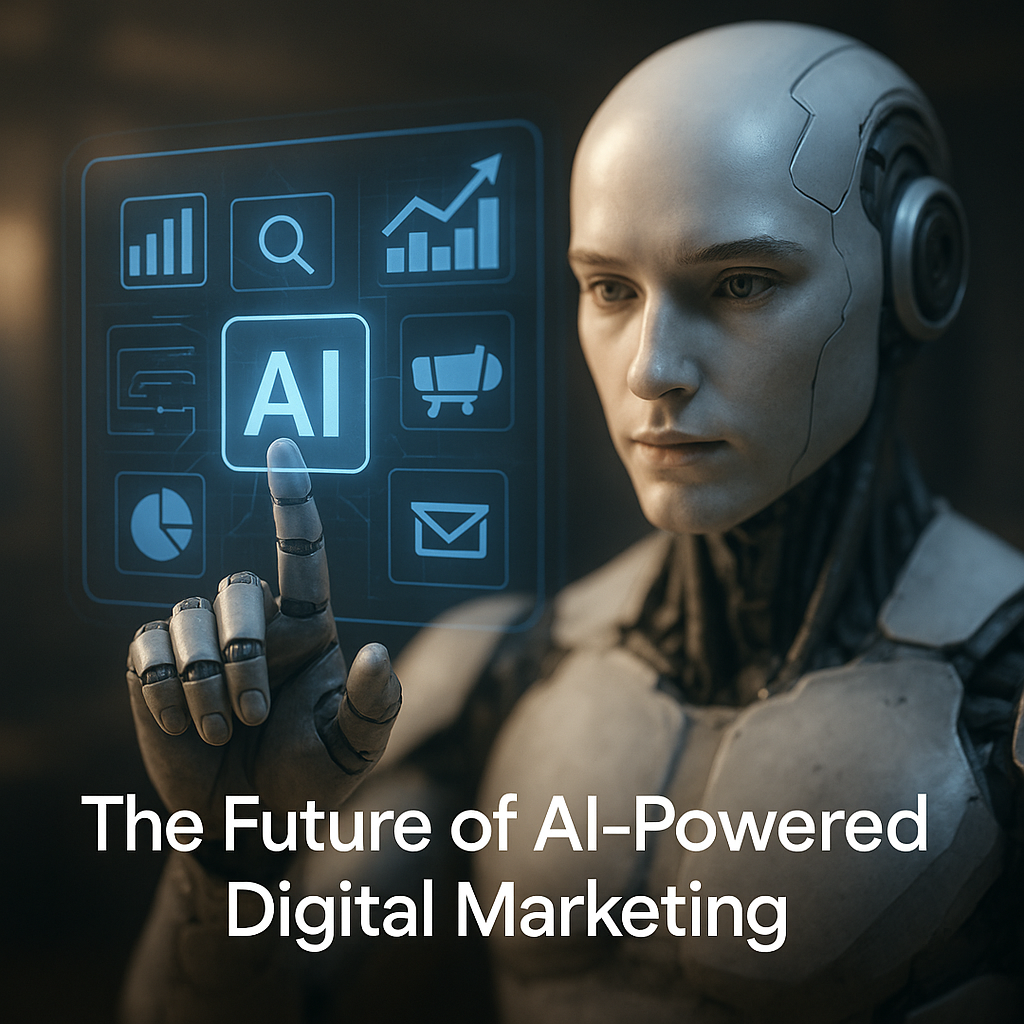
Artificial Intelligence is reshaping digital marketing, opening up new opportunities for entrepreneurs and small business owners. With technological advancements, businesses are exploring how AI innovations enhance customer targeting, content creation, and overall marketing efficiency. Explore the future of AI-powered digital marketing and learn how to stay ahead in this dynamic landscape.
Evolving Landscape of AI and Digital Marketing
The digital marketing field is transforming rapidly. In the past, businesses relied on broad strategies and static messaging. Today, AI drives precision marketing by offering data-driven insights for personalized approaches. Real-time consumer behavior analysis enables dynamic campaign adjustments, ensuring your message reaches the right audience at the right moment.
Advanced machine learning algorithms are now predicting market trends and optimizing customer journeys across multiple touchpoints. Businesses are leveraging these tools to create engaging, personalized experiences that boost conversion rates and cultivate lasting customer relationships.
Integrating Innovative AI Digital Marketing Strategies for Businesses
Entrepreneurs and small business owners can embrace innovative AI digital marketing strategies for businesses by capitalizing on real-time data and automation. From streamlining ad placements to customizing content for viewer preferences, these strategies are designed to create impactful customer experiences. Many companies are also implementing chatbots to offer efficient customer service and personalized recommendations, thereby enhancing loyalty.
Predictive analytics is another breakthrough, not only forecasting trends but also adjusting marketing tactics in advance of market shifts. When combined with machine learning, these systems become progressively more accurate as they adapt to evolving consumer demands. This agility helps businesses maintain a competitive edge in a fast-paced market. For more insights into how data-driven strategies are reshaping the industry, check out our Predictive Analytics Trends post.
Discover more about adapting and growing your business by exploring the comprehensive resources on our platform, designed to empower small businesses with actionable insights and innovative strategies.
Embracing Emerging AI-Driven Marketing Tools and Techniques
One of the most exciting aspects of the digital marketing revolution is the rise of emerging AI-driven marketing tools and techniques accessible to businesses of all sizes. These tools, which include advanced segmentation, automated A/B testing, and creative design assistance, are no longer exclusive to large enterprises—they scale to meet the needs of any business model.
Recent insights from sources like Forbes underscore how rapidly these innovations are gaining momentum. By providing a clearer understanding of consumer journeys, AI tools enable marketers to tailor campaigns with precision and accuracy—a game changer for small business owners looking to maximize limited budgets.
Successful integration of these technologies requires a willingness to explore new tools, measure outcomes, and adapt strategies continuously. It’s not only about adopting new technology; it’s about leveraging it to deliver real value and strengthen customer relationships.
Practical Steps to Integrate AI into Your Digital Marketing Strategy
Integrating AI into your marketing strategy can be straightforward when broken into manageable steps. Start by evaluating your current digital channels and pinpointing areas where data-driven insights can make the most impact. For many entrepreneurs, testing one or two new AI tools can provide valuable insights into what works best for their business.
Keep your strategy aligned with the latest future of AI-powered digital marketing trends. As these trends evolve with consumer expectations and technological innovations, set measurable goals—such as improved click-through rates, enhanced engagement, or higher conversion rates. Comprehensive analytics tools are essential for tracking the success of your initiatives.
Foster a culture of innovation and continuous learning within your team. Encourage experimentation with new technologies and tools, whether you run a local shop or manage an online platform. Even modest investments in training and pilot projects can yield significant long-term benefits.
Participate in webinars, read industry articles, and join online forums to learn how other businesses integrate advanced AI tools. Staying informed on emerging practices ensures your digital marketing strategies remain effective and competitive.
The future of digital marketing is bright for businesses ready to embrace AI-powered solutions. As these technologies mature, they will unlock new strategies and reduce operational costs, enabling small business owners to compete globally with personalized, real-time customer engagement.
- AI reshapes digital marketing with data-driven personalization and automation.
- Innovative AI strategies drive enhanced customer engagement and optimize marketing spend.
- Emerging AI tools offer scalable solutions for businesses of all sizes.
- Continuous learning and staying updated with trends are key to long-term success.