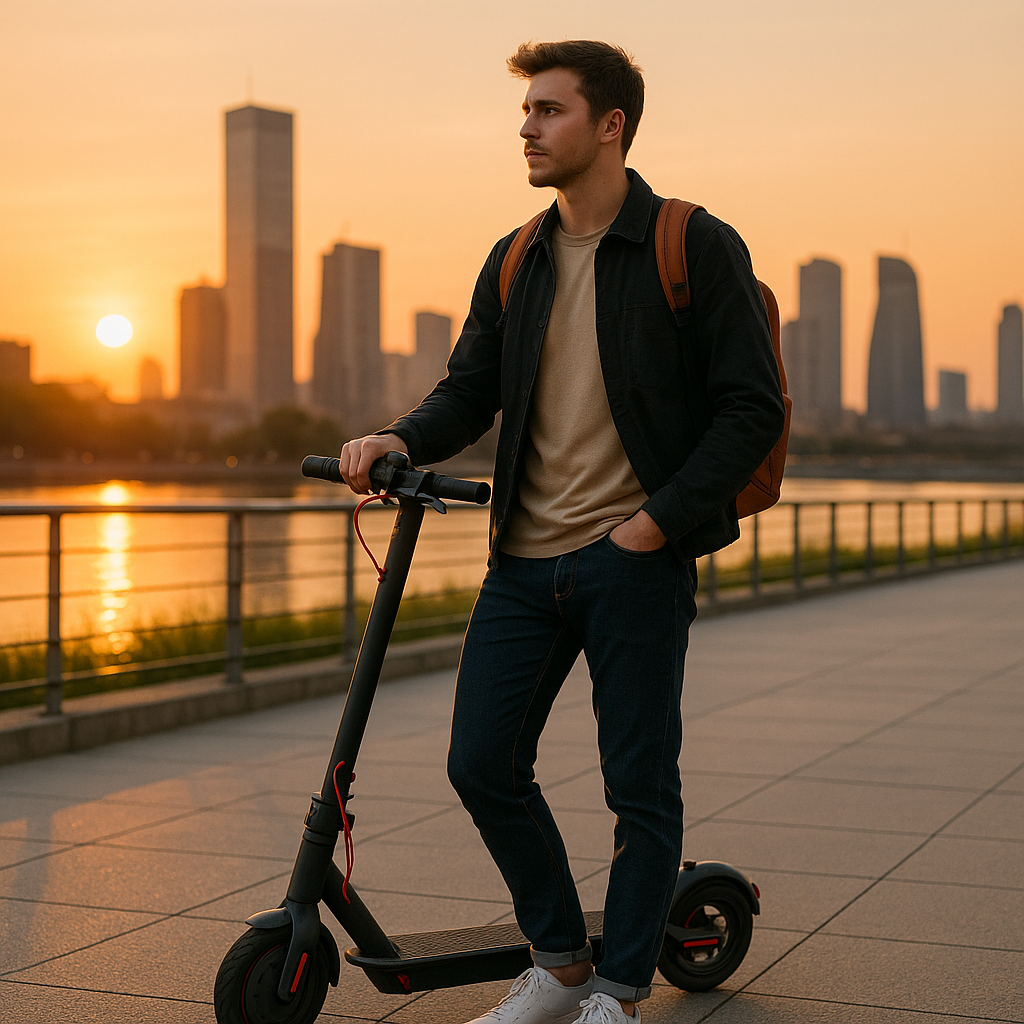
In today’s fast-paced world, personal transit solutions are transforming how we move. Entrepreneurs and small business owners alike are exploring innovative strategies to stay ahead, and electric scooters exemplify this shift. These modern vehicles not only offer a fun and efficient way to commute, they also represent the future of sustainable urban mobility.
Rethinking Urban Mobility
Cities around the world are reimagining transportation to accommodate a growing, mobile population. In bustling urban areas, reducing congestion, lowering environmental impact, and easing last-mile travel are top priorities. Advanced electric scooter technology provides a practical solution by combining convenience, efficiency, and sustainability.
For urban residents, electric scooters offer a smart alternative to traditional traffic, keeping pace with the dynamic rhythm of city life. With breakthroughs in battery life, faster charging, and smart connectivity, these scooters are appealing not only to daily commuters but also to entrepreneurs looking to introduce shared mobility services.
The era of traditional transit is evolving into a comprehensive ecosystem of smart transportation solutions. The movement toward electric scooter adoption is reshaping the future of personal mobility and urban living.
Exploring the Technological Edge
The technology powering electric scooters has advanced rapidly in recent years. Manufacturers now focus on reliability and connectivity, incorporating integrated GPS tracking, mobile apps, and optimized pick-up and drop-off systems. These innovations create a seamless urban mobility experience for users and service providers.
Entrepreneurs investing in these technologies enjoy new revenue streams and demonstrate a commitment to sustainable, eco-friendly transit solutions—an increasingly important factor for today’s environmentally conscious consumers.
Research shows that the combination of cutting-edge technology and sustainability is a major draw for modern urban travelers. As noted by Forbes, businesses that support green transportation are more likely to enjoy improved public perception and stronger customer loyalty.
Opportunities for Entrepreneurs and Small Business Owners
For small business owners, integrating personal transit solutions is not just about following a trend—it’s a chance to reinvent service delivery. The rising demand for electric scooters and other alternative transport options opens doors to innovative business opportunities. These vehicles can attract a new customer base seeking efficient, eco-friendly commuting options.
Many local entrepreneurs are already incorporating electric scooters into their operations through shared mobility services, rental programs, or efficient employee transport solutions. This evolution in business models highlights the growing role of electric scooters in revolutionizing urban transportation.
Forward-thinking companies are now collaborating with tech providers to create smart mobility hubs and digital monitoring platforms. These partnerships enhance maintenance and operate as the backbone of a sustainable transportation network. Entrepreneurs who embrace these opportunities not only update their service offerings but also contribute to the creation of greener cities.
Interested business owners can learn more about integrating new mobility solutions through expert resources and innovative strategies available on dedicated platforms.
Growing Ecosystem and Future Trends
As technology continues to progress, the realm of eco-friendly personal transit solutions also expands. Electric scooters are just the beginning—paving the way for electric bikes, skateboards, and even urban microcars that cater to modern city needs. With each breakthrough, the transportation landscape becomes more versatile and adaptable.
A noteworthy trend is the use of data analytics and machine learning to refine route planning and maintenance schedules. This smart approach enhances customer experience and lowers operational costs. For small business owners, adopting these technologies can provide a competitive edge and drive long-term success.
The future of urban transit lies in an adaptable mix of solutions tailored to specific city corridors. As electric scooter technology merges with broader mobility ecosystems, new revenue streams emerge and urban landscapes transform. Entrepreneurs who keep up with these trends are well positioned to lead the next wave of urban innovation.
The fusion of technology, urban planning, and consumer preferences is creating a vibrant, forward-thinking environment. Small vehicles are proving to be catalysts for major transformations in metropolitan areas.
Additionally, the rise of connected infrastructure shows how public-private partnerships can create smart networks that support electric scooters and other shared transport options. This collaboration is essential for building sustainable, livable urban environments.
Embracing smart technology and sustainable practices is not a fleeting trend—it signals a long-term shift toward eco-friendly urban transit. Entrepreneurs and business leaders who adopt these innovative strategies early can position themselves as pioneers in urban development and responsible mobility.
In summary, the rapid adoption of electric scooters and the broader shift toward sustainable urban transportation mark a pivotal era in mobility. With continuous technological advancements and growing environmental awareness, the future shines brightly for those ready to innovate.
- Advanced electric scooter technology is transforming urban transit strategies.
- Sustainable, eco-friendly transit solutions are increasingly preferred by modern consumers.
- Smart technology integration offers significant competitive advantages for small businesses.
- Entrepreneurs embracing these trends can unlock new revenue streams and help create greener cities.


