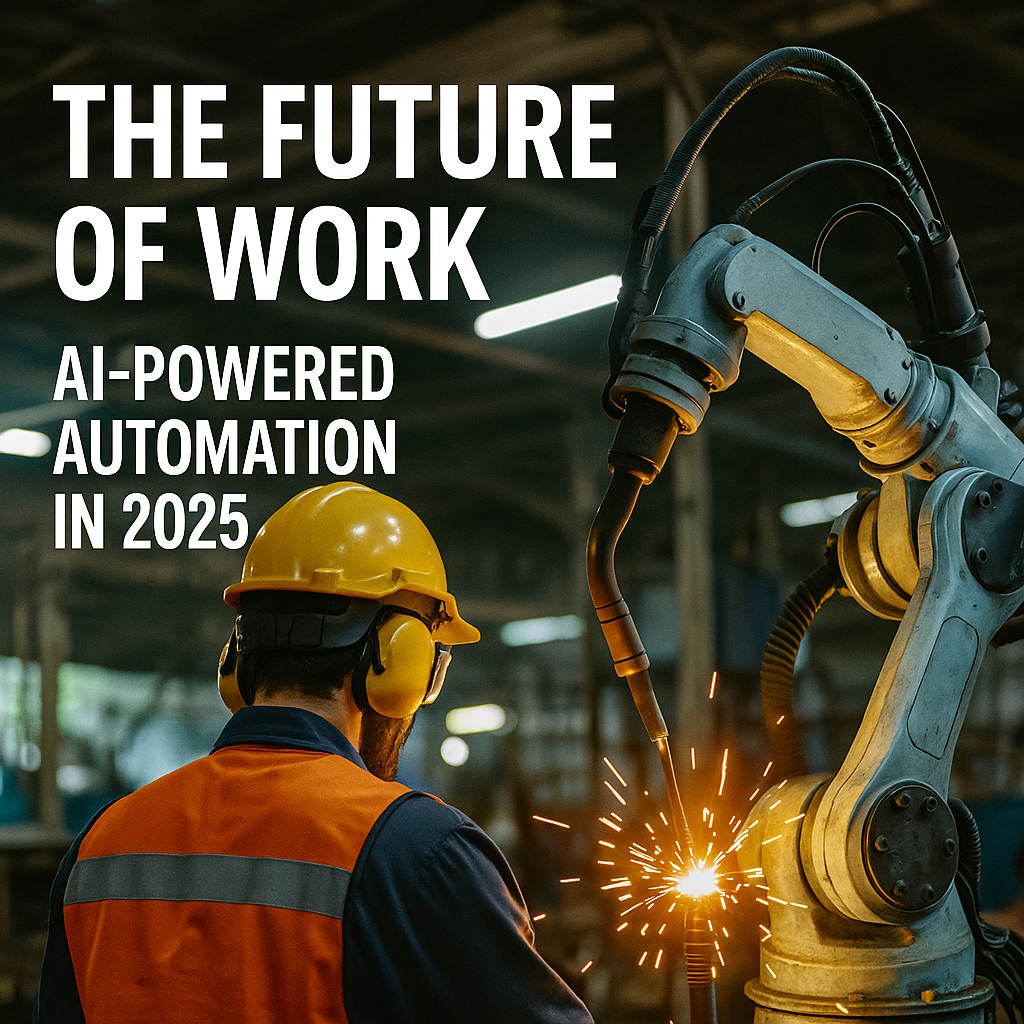
Embracing AI to Revolutionize Business Operations
Automation has long been a part of business strategy, but the integration of machine learning, natural language processing, and advanced AI technologies has taken it to a new level. Beyond optimizing operation efficiency, modern automation provides a competitive advantage in decision-making, strategic planning, and customer engagement. Entrepreneurs now harness powerful, data-driven insights that refine everything from marketing strategies to supply chain management.
By automating routine tasks, many small business owners are free to focus on growth and innovation. Implementing AI-powered tools for human resource management and customer service not only enhances efficiency but also improves employee satisfaction by reducing the burden of repetitive tasks.
The Impact on Workforce Dynamics
AI-driven automation is about more than replacing routine tasks—it’s redefining roles and responsibilities. The impact of AI on workforce automation in 2025 is evident across industries, shifting skill requirements and transforming workplace culture. Companies are investing in both cutting-edge technology and employee development through upskilling and reskilling programs, ensuring that teams remain indispensable as businesses evolve technologically.
AI-powered systems manage basic tasks such as data entry and scheduling, allowing employees to focus on complex problem-solving, creative endeavors, and strategic initiatives. By embracing a hybrid approach that combines human intuition with precise, machine-generated analytics, businesses are creating dynamic workplaces that value human expertise alongside technological efficiency.
Navigating AI-Powered Workplace Automation Trends in 2025
This year, several trends are emerging as game changers. Cloud-based AI solutions are democratizing access to powerful technologies, enabling even small businesses to leverage advanced automation. With AI managing routine processes, entrepreneurs can make agile, informed decisions without the burden of excessive data management.
Hybrid work environments are another major trend. AI tools are bridging the gap between remote and in-office teams, ensuring seamless communication and collaboration. For instance, enhanced project management applications can automatically schedule meetings, summarize key discussion points, and suggest actionable next steps using historical data.
Additionally, AI is revolutionizing customer relationship management. Business owners are using AI to gain deep insights into customer behavior and preferences, enabling them to deliver personalized experiences. Fast data analysis helps predict market trends, identify emerging needs, and facilitate rapid business responses.
An Evolving Regulatory Landscape
As the adoption of AI grows, government and industry bodies are introducing policies and regulations to ensure ethical use of automation. These guidelines are designed to protect both employees and customers, promoting responsible and sustainable innovation.
Entrepreneurs must stay informed about these changes, understanding legal implications, data privacy requirements, and ethical AI practices. Trusted sources such as Forbes and professional communities can provide valuable insights into responsible AI implementation.
For more insights on managing AI transitions in business, makebusiness.eu offers a wealth of resources and practical tips for integrating automation into business strategies.
Strategic Considerations for Business Leaders
Business leaders face the challenge of leveraging new technological advances without disrupting internal culture. When transitioning to an AI-powered environment, consider the following strategic factors:
- Cost Efficiency vs. Investment: Although integrating AI involves upfront costs, the long-term benefits of reduced labor expenses and enhanced productivity can justify the investment. It’s essential to balance immediate spending with future ROI.
- Employee Adaptability: As job roles evolve, the workforce must be equipped to handle these changes. Investing in training sessions, workshops, and continuous learning programs will help employees adapt smoothly.
- Integration with Existing Systems: Gradual integration of AI into current operations minimizes disruption and allows for ongoing assessment and improvement.
- Risk and Security: Increased reliance on digital processes requires strong cybersecurity measures. Prioritize data protection, conduct regular audits, and ensure compliance with industry standards to safeguard operations.
By balancing digital transformation with a human touch, forward-thinking business leaders are creating dynamic workplaces that benefit from both automation and human creativity. Strategic AI adoption results in a future where technology empowers employees rather than replaces them.
Embracing AI-powered automation in 2025 is about enhancing operational efficiency while fostering human ingenuity. Business owners who adopt this proactive approach will be well-prepared to drive sustainable growth and long-term competitive advantage.
This balanced strategy addresses concerns about job displacement by focusing on enhancing employee skills and enriching work processes with advanced tools. The emphasis is on job evolution, where continuous learning and high-value contributions redefine the work experience.
In an era where technological advances reshape business models, flexibility and resilience have become essential. Embracing AI-powered automation and preparing for changes in job roles and business strategies are crucial for staying competitive in 2025 and beyond.
Entrepreneurs who keep abreast of the latest trends and strategic implications of AI will be best positioned to seize new opportunities. Whether through agile project management practices or customized AI tools, staying informed is key to mitigating risks and unlocking significant business value.
- AI integration is rewriting business operations with efficient, data-driven decision-making.
- Hybrid work environments are being optimized through seamless AI-powered communication and collaboration tools.
- Responsible AI adoption demands careful consideration of ethical, legal, and workforce factors.
- Investments in technology and continuous employee upskilling are vital for future business success.


