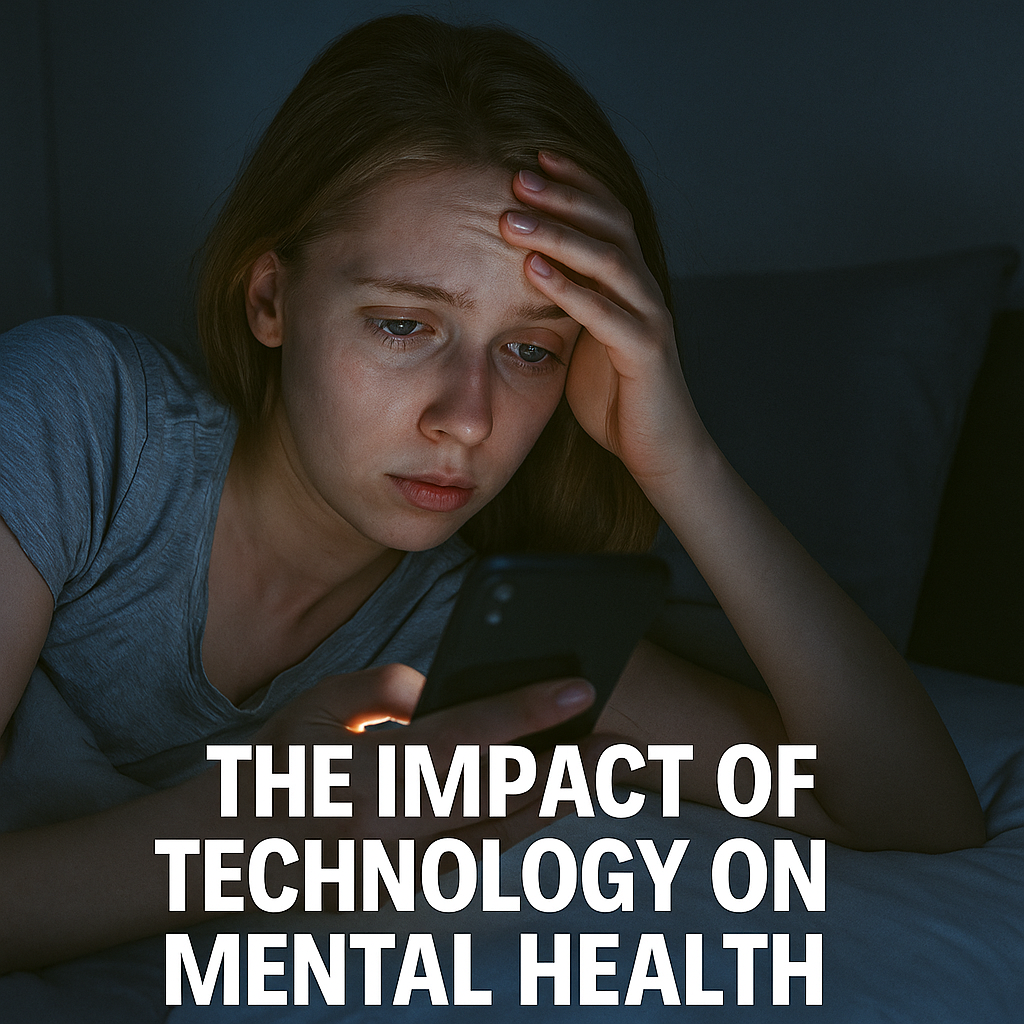
In our hyper-connected world, technology is an integral part of our personal and professional lives. For entrepreneurs and small business owners, keeping up with digital trends is vital for success. However, the rapid advancement of technology also brings challenges to mental health. Understanding how technology affects mental health in young adults—and across all age groups—is essential as businesses increasingly rely on digital integration.
Balancing Work, Life, and the Digital World
Entrepreneurs thrive on passion and multitasking, often blurring the boundaries between work and personal time. With the constant buzz of smart devices, social media, and endless notifications, disconnecting can seem nearly impossible. The key is harnessing technology to boost productivity while safeguarding emotional and psychological wellbeing.
Business leaders must remain alert to early signs of burnout and stress that often accompany an always-on digital culture. Many are finding that sustainable work environments are built on regular breaks, clear boundaries, and dedicated tech-free periods. This balance not only enhances productivity and happiness but also sets a positive precedent for the entire team.
Adopting innovative strategies for managing digital workloads—such as team training on time management, predefined work expectations, and mental health applications—can help maintain equilibrium without losing the benefits of modern technology.
Understanding the Psychological Effects of Technology
One of today’s most critical discussions centers on the impact of digital devices on anxiety and depression. Research shows that constant connectivity and a relentless stream of online content can lead to feelings of inadequacy, stress, and isolation. The overload of information can impair cognitive function and destabilize emotional balance.
Ongoing studies also highlight the risks associated with technology addiction. Young entrepreneurs and digital natives, who depend heavily on digital platforms for networking and business growth, may develop compulsive habits like constantly checking social media. This persistent connectivity can lead to severe mental health challenges if not addressed in time.
For those exploring how technology affects mental health in young adults, the scenario is complex. Continuous notifications and 24/7 news cycles push the brain into a state of perpetual alertness, which can elevate stress levels, disrupt sleep patterns, and lower overall mood.
To counteract these effects, it is crucial to implement digital detox routines, encourage face-to-face interactions, and adopt mindfulness practices. These strategies not only improve mental health but also enhance team morale and productivity.
Strategies to Foster a Healthy Digital Environment in Business
Modern technology brings both remarkable opportunities and inherent risks. Savvy entrepreneurs are now using a range of strategies to build healthier workspaces while enjoying the benefits of digital innovation.
One effective strategy is establishing clear technological boundaries. Setting dedicated hours for digital work and non-digital activities can reduce dependency on devices. For example, small business owners can host digital wellbeing workshops that promote taking breaks and embracing offline time. These sessions empower employees to manage their mental health proactively.
Another successful approach is leveraging apps and tools designed to promote digital wellbeing. Applications that prompt regular breaks or silence non-essential notifications can significantly reduce the impact of digital devices on anxiety and depression by encouraging moments of relaxation and reflection.
Leaders must also lead by example. Dedicating time to offline activities and prioritizing in-person interactions instills healthy habits throughout the organization. Many businesses, as highlighted by major publications like Forbes, are integrating these practices into their culture.
For further insights into managing technology in the business realm, explore additional business strategies on our platform.
Embracing Digital Detox and Mindfulness
Digital detox strategies have emerged as powerful tools to combat the mental strain of constant connectivity. The goal is simple: step away from the digital world to reconnect with your surroundings. Entrepreneurs who practice regular digital detox report improved focus, reduced anxiety, and better stress management.
Mindfulness complements this approach by encouraging presence and awareness. Techniques like meditation and deep-breathing have become staples for many small business owners in fighting technology addiction. These practices provide a buffer against screen fatigue and create a more serene work environment.
Integrating short mindfulness sessions at the beginning of meetings or throughout the day can help reset mental focus and nurture a culture that prioritizes wellbeing over relentless hustle. The resulting reduction in stress and anxiety often translates into enhanced business performance.
While technology offers incredible advantages, its misuse can negatively affect mental wellbeing. The ongoing debate on how technology affects mental health in young adults underlines the need for mindful usage. For entrepreneurs, implementing scheduled digital-free time and investing in mental health initiatives can protect productivity and emotional balance.
Furthermore, boosted mental health yields collateral benefits such as enhanced creativity and sharper decision-making, ultimately improving business outcomes. Increasingly, companies recognize that workforce wellbeing is key to long-term success. By proactively promoting digital wellness, businesses can enjoy the benefits of modern technology while mitigating its risks.
As we navigate an era of rapid digital transformation, business leaders must remain aware of the psychological impacts of constant connectivity. Acknowledging and addressing these challenges ensures that technology remains a tool for innovation, efficiency, and genuine human advancement.
For small business owners leading change, adopting balanced digital practices sets a benchmark for healthier work cultures. By understanding the impact of digital devices on anxiety and depression, we can build resilient enterprises that thrive in the digital age while honoring human limitations.
Embracing a comprehensive approach to business management—including mental health awareness—benefits both personal wellbeing and organizational success. Forward-thinking companies are already reaping rewards by investing in employee wellness and digital literacy programs. In today’s fast-paced world, strategies that foster digital balance are essential for sustainable growth and innovation.
Ultimately, the conversation about technology’s influence on our minds continues to evolve. As leaders, it is our responsibility to ensure that our digital landscapes support both economic efficiency and overall wellbeing. By thoughtfully applying digital tools alongside robust mental health practices, businesses can create environments that thrive in the digital age while respecting our human needs.
- Entrepreneurs must balance digital benefits with the risk of burnout to promote mental wellness.
- Recognizing the impact of digital devices on anxiety and depression is crucial for a sustainable work culture.
- Incorporating digital detox and mindfulness techniques can significantly reduce stress and enhance focus.
- Implementing proactive digital wellbeing strategies leads to a healthier workforce and better business outcomes.


