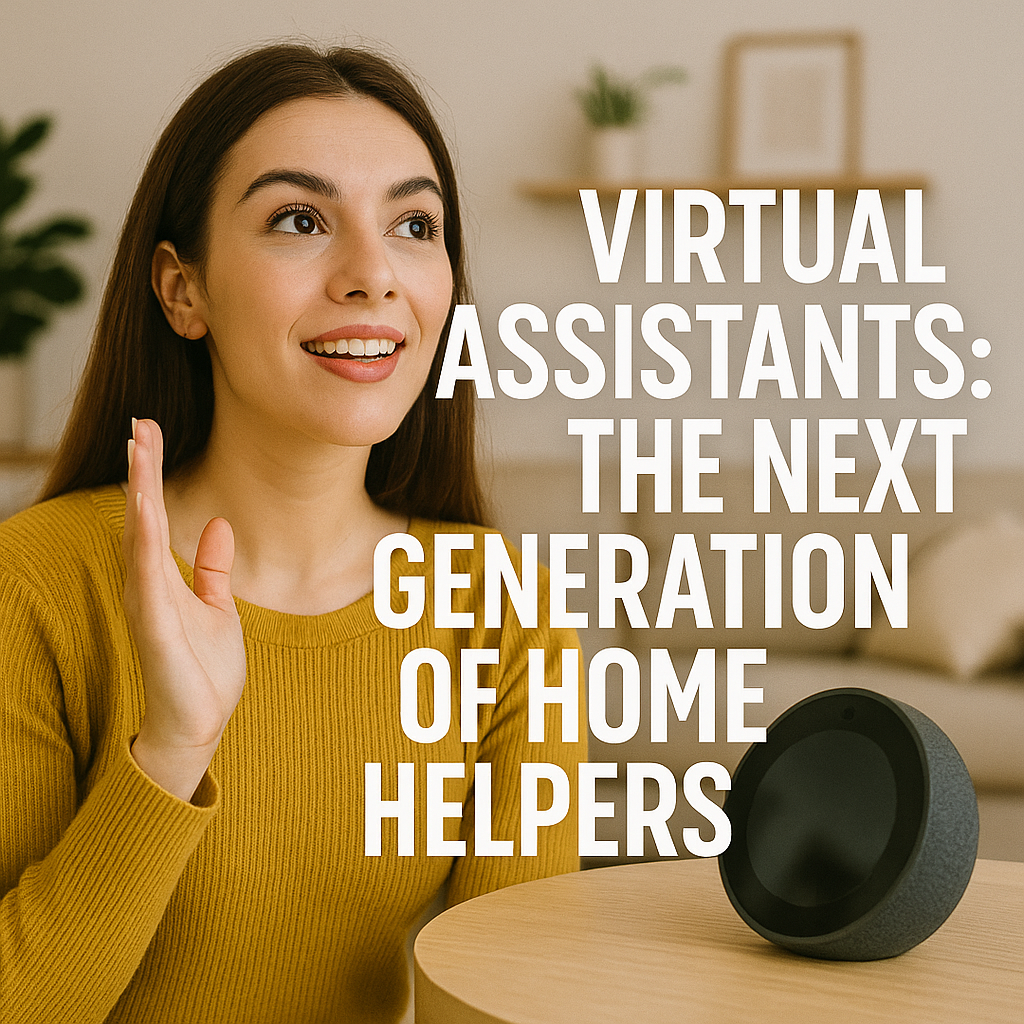
In today’s fast-paced digital era, home automation is no longer a futuristic dream—it is a transformative reality reshaping our daily lives and work environments. Entrepreneurs and small business owners alike are discovering the immense benefits of smart home integration, which enhances convenience, productivity, and operational efficiency. At the forefront of this revolution are next generation virtual assistants for smart home automation, streamlining everyday tasks and creating a more efficient lifestyle.
A New Era in Home Automation
Modern households are embracing technologies that simplify everyday routines while boosting productivity. The concept of virtual assistance has evolved from reactive commands to proactive, intelligent systems. Advanced virtual home helper integration solutions now utilize artificial intelligence and machine learning to anticipate needs and manage household functions seamlessly.
Imagine waking up in a home where your coffee maker kicks into action, schedules update automatically, and the environment adapts to your mood throughout the day. This intelligent ecosystem, powered by next generation virtual assistants for smart home automation, merges technology with daily living. The result is unmatched efficiency and convenience, making smart home solutions essential for modern living.
Transforming Daily Routines and Business Operations
Today’s virtual assistants do much more than play music or set reminders—they also handle home security, energy management, and climate control. For small business owners, having a seamlessly managed home environment extends the workspace, blending personal comfort with professional efficiency. Advanced virtual home helper integration connects your devices, enabling control and monitoring even when you’re away.
This technology is a game changer for busy entrepreneurs balancing client meetings, travel, and home life. Smart solutions can send timely reminders, adjust lighting for late-night work sessions, and secure the home when business operations are thriving. Virtual assistants are evolving into essential tools that support a productive, balanced lifestyle.
For small business professionals seeking to elevate operational efficiency, exploring platforms like digital transformation solutions can uncover a variety of tools designed for seamless integration. These smart solutions help businesses remain competitive by ensuring that both personal and professional environments function optimally.
Innovative Solutions for Modern Households
One of the most exciting trends in residential technology is the development of innovative virtual assistant solutions. Focused on personalization and context-aware functionality, modern assistants learn from daily interactions and adapt to your habits and preferences. This evolution in artificial intelligence and voice recognition technology demonstrates significant progress in making homes more intuitive.
For example, a virtual assistant connected to a network of sensors can monitor temperature, humidity, lighting, and security systems. This integration creates predictive algorithms that adjust household settings in anticipation of your needs, shifting from mere reactive responses to proactive, intelligent management.
Such systems offer personalized energy management by adjusting heating and air conditioning based on occupancy, or by suggesting energy-efficient alternatives. The combination of personalized convenience and cost savings makes these smart solutions ideal for both households and small businesses looking to optimize their budgets.
Bridging the Gap Between Home and Workspaces
Entrepreneurs and small business owners have a unique advantage in the merging realms of home and office technology. With remote work becoming more common, the home now often serves as an extension of the workplace. Virtual assistants provide an ideal blend of comfort and professional efficiency by managing smart devices that integrate with office applications.
Imagine a home office that automatically adjusts lighting to reduce screen glare, controls ambient noise, and even reminds you to take breaks. These intelligent features create a seamless transition between work and personal time, effectively bridging the gap between professional and private spaces.
Platforms and services offering advanced virtual home helper integration across various domains are driving this transformation. As highlighted by Forbes, businesses adopting smart automation experience marked improvements in efficiency and employee well-being. These systems are proving to be indispensable for modern households.
Today’s virtual assistants go far beyond simple voice activation. They form a unified ecosystem where smart home automation is no longer a luxury, but a necessity for streamlined living. By ensuring seamless connectivity between security, entertainment, and home management systems, these innovations enhance convenience and efficiency.
As technology continues to evolve, developers and industry experts are enhancing these systems to meet emerging needs. With features like context-aware controls and proactive notifications, the future of smart homes looks promising. Both businesses and residential users are encouraged to explore and invest in these innovative virtual assistant solutions, unlocking new levels of comfort and productivity.
This integrative technology not only boosts business agility but also enhances client interactions and overall operational efficiency. In a world that demands flexibility and adaptability, investing in automated home management systems is a key step toward future-proofing both professional and personal spaces.
In conclusion, the rise of next generation virtual assistants for smart home automation marks a pivotal shift in our interaction with technology. By streamlining tasks from energy management to scheduling, these systems empower busy entrepreneurs and homeowners to reclaim valuable time and focus on growth. As the digital landscape evolves, embracing integrated smart solutions is essential for a more efficient and innovative future.
Entrepreneurs who enhance their environments with advanced virtual home helper integration are already reaping rewards in productivity and comfort. With rapid technological advancements, adopting innovative virtual assistant solutions for modern households is a forward-thinking investment that will yield lasting benefits in efficiency and quality of life.
- Next generation virtual assistants revolutionize home automation with proactive, context-aware features.
- Advanced virtual home helper integration ensures a seamless connection between multiple devices.
- Innovative virtual assistant solutions enhance both personal and professional environments.
- Entrepreneurs and small business owners benefit from smarter, more efficient spaces that bridge home and work.


