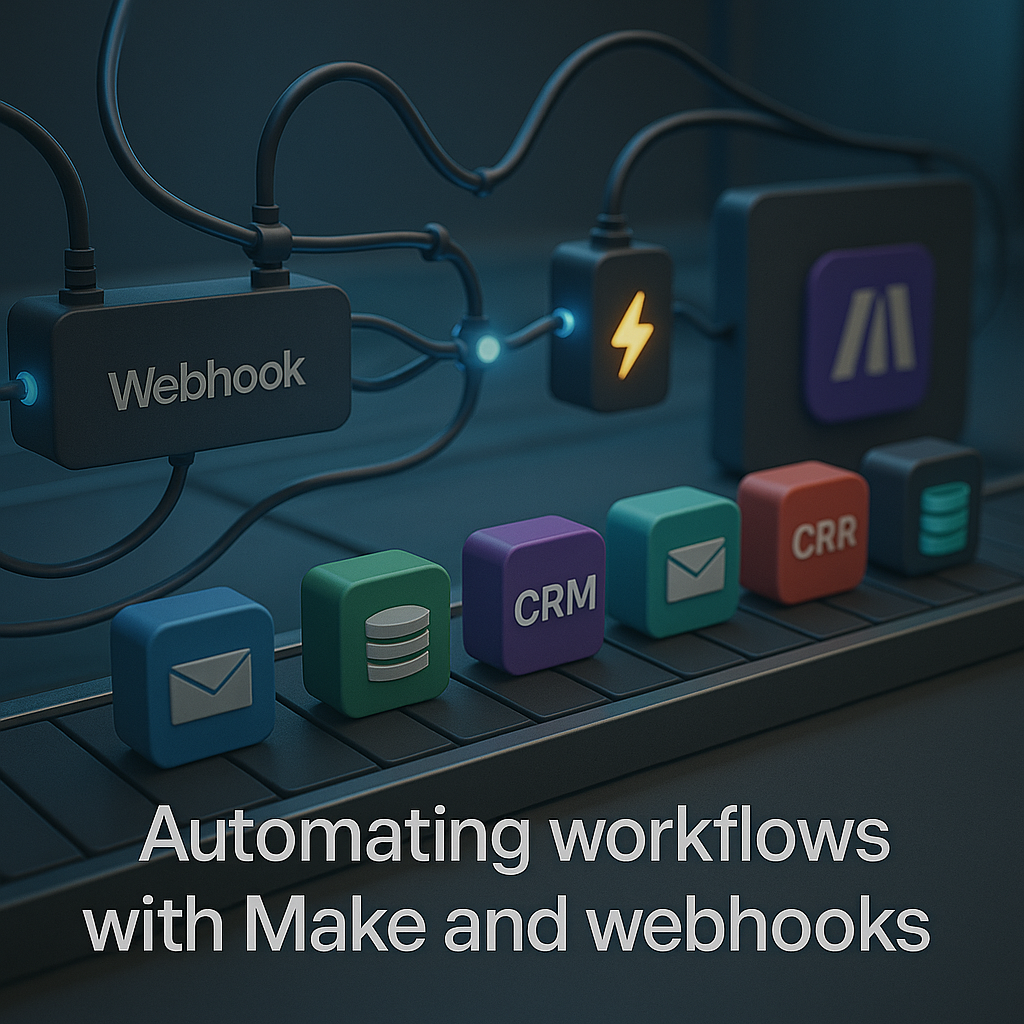
In today’s fast-paced business landscape, entrepreneurs and small business owners are continually seeking smarter, more efficient ways to manage tasks and keep operations running smoothly. Integrating automation into your workflow is more than a trend—it’s a strategic investment that saves time, reduces errors, and frees up valuable resources for higher-level projects. By leveraging tools like Make and webhooks, you can transform routine tasks into seamless, automated processes.
Understanding the Power of Automated Workflows
Automation has evolved from a niche skill to a fundamental success driver for businesses around the globe. With automated workflow integration using Make and webhooks, your system communicates seamlessly across multiple platforms, enabling real-time, data-driven decisions. This approach not only eliminates redundant tasks but also minimizes manual intervention for activities such as data collection, system updates, and notification dispatches.
Imagine reclaiming hours spent on repetitive tasks by delegating them to an automated system. The precision and speed of automation let you focus on strategy and growth rather than mundane operations. No matter which business process needs optimization, the right combination of tools transforms labor-intensive workflows into smooth, efficient, self-running systems.
It’s all about creating an ecosystem where your software tools work in harmony. By synchronizing apps, emails, and databases, you set up an environment where every element communicates naturally, reducing the need for constant oversight.
Advanced Automation for Webhook-Powered Processes
Today’s business operations frequently rely on webhooks to trigger actions in real time. These dynamic tools enable applications to interact instantaneously when specific events occur. Advanced Make automation for webhook-powered processes means that as soon as a trigger is activated, your automated tasks begin immediately.
For example, when a new customer registers on your website, a webhook can notify your CRM system to create a new contact record, instantly launching a welcome email campaign without human intervention. Whether it’s alerting your team through a messaging app or updating your inventory records, the automated workflow ensures that nothing slips through the cracks.
Leveraging Make alongside webhooks not only provides a competitive edge but also paves the way for sophisticated, layered automations. Webhooks act as catalysts, while Make orchestrates your automation, ensuring every process flows flawlessly.
Simplifying Complex Workflows
Modern businesses run on a blend of tools, applications, and platforms. However, integrating these components can feel like assembling a puzzle with missing pieces. Make offers a robust solution by enabling automated workflow integration using Make and webhooks. The focus shifts from merely connecting tools to streamlining your unique processes for greater efficiency.
By breaking down your workflows and identifying areas for automation, you can pinpoint where advanced functionalities and webhook triggers are most beneficial. This results in a system that operates independently, continuously updating and adapting to customer inputs, sales data, and live metrics.
Many small business owners find that embracing these technologies reduces manual workload and ensures a consistent boost in productivity. Additionally, the flexibility to adjust workflows as customer behavior or market conditions evolve is essential for maintaining a competitive edge.
Strategies to Streamline Business Operations
Whether you run an e-commerce platform, a consultancy, or a local boutique, streamlining operations with Make and webhooks is achievable with a clear strategy. Identify repetitive, time-consuming tasks—such as data entry, customer follow-ups, or appointment scheduling—and determine how automation can add the most value.
Integrating automated tools isn’t just about using cutting-edge technology—it’s about enhancing everyday operations without compromising quality. For instance, an online store might use webhooks to update inventory in real time, preventing overselling and ensuring accurate stock levels.
Connect your automation setup to resource management tools or analytics platforms like those featured on Forbes for valuable industry insights. These integrations not only improve efficiency but also provide market data to inform your strategic decisions.
Consider designing a workflow where a customer inquiry via email automatically logs the response, creates a support ticket, and escalates the case if necessary. This system ensures every customer interaction is handled promptly and professionally, saving time while enhancing service quality.
If you’re looking for innovative automation ideas, explore in-depth guides on business automation strategies for tailored insights. These resources often illustrate how even complex operations can be simplified into manageable, automated steps.
Getting Started with Automation
If setting up an automated system seems overwhelming, start with a step-by-step approach. Map out your current processes—either on paper or digitally—and highlight repetitive tasks that consume significant time. Then explore how Make can automate these tasks through API connections and webhook triggers. With clarity on what needs automation, you can gradually expand your system’s reach.
Staying flexible is key. As your business grows, regularly review and refine your automated workflows. Advanced Make automation for webhook-powered processes is all about scalability—ensuring your operations can expand without increasing manual workloads.
This iterative approach minimizes errors while building trust in your automation system. Once a basic process runs smoothly, you can enhance it with additional triggers or conditions, creating a more resilient and robust system.
Embracing innovative automation solutions gives you more time to focus on what really matters—growing your business. Whether it’s driving product innovation or improving customer service, automation provides the resources you need to excel in competitive markets.
These practical insights and strategic approaches enable entrepreneurs to rethink daily operations, making automation a fundamental component of business success. The synergy between human creativity and machine efficiency opens up new opportunities and unlocks potential that traditional workflows often limit.
Adopting these methods prepares you for the future of work. Businesses that integrate modern tools into daily practices will lead the market by enhancing the human touch with reliable, precise automated systems. This balance of technology and strategy is key to staying ahead.
Many companies have experienced significant results by transitioning to automation. Investing in technologies like Make and webhook automation is not only a cost-saving measure but also a catalyst for growth. With a proactive, self-regulating business environment, you can anticipate customer needs and drive efficiency across operations.
Moving forward, a well-tuned automation strategy ensures your business scales smoothly without compromising efficiency. As your operations grow, the adaptability of automated workflows allows you to modify triggers, expand integrations, and continuously improve process efficiency.
Ultimately, a comprehensive automation strategy using Make and webhooks creates a streamlined, responsive business environment. Entrepreneurs and small business owners who invest in these technologies today lay the groundwork for long-term success in a rapidly evolving digital landscape.
- Embrace automated workflows to free up time for strategic and creative pursuits.
- Utilize webhooks for real-time, automated responses across interconnected systems.
- Leverage advanced Make automation for scalable and adaptable process integrations.
- Streamline business operations to enhance efficiency and stay ahead of future challenges.