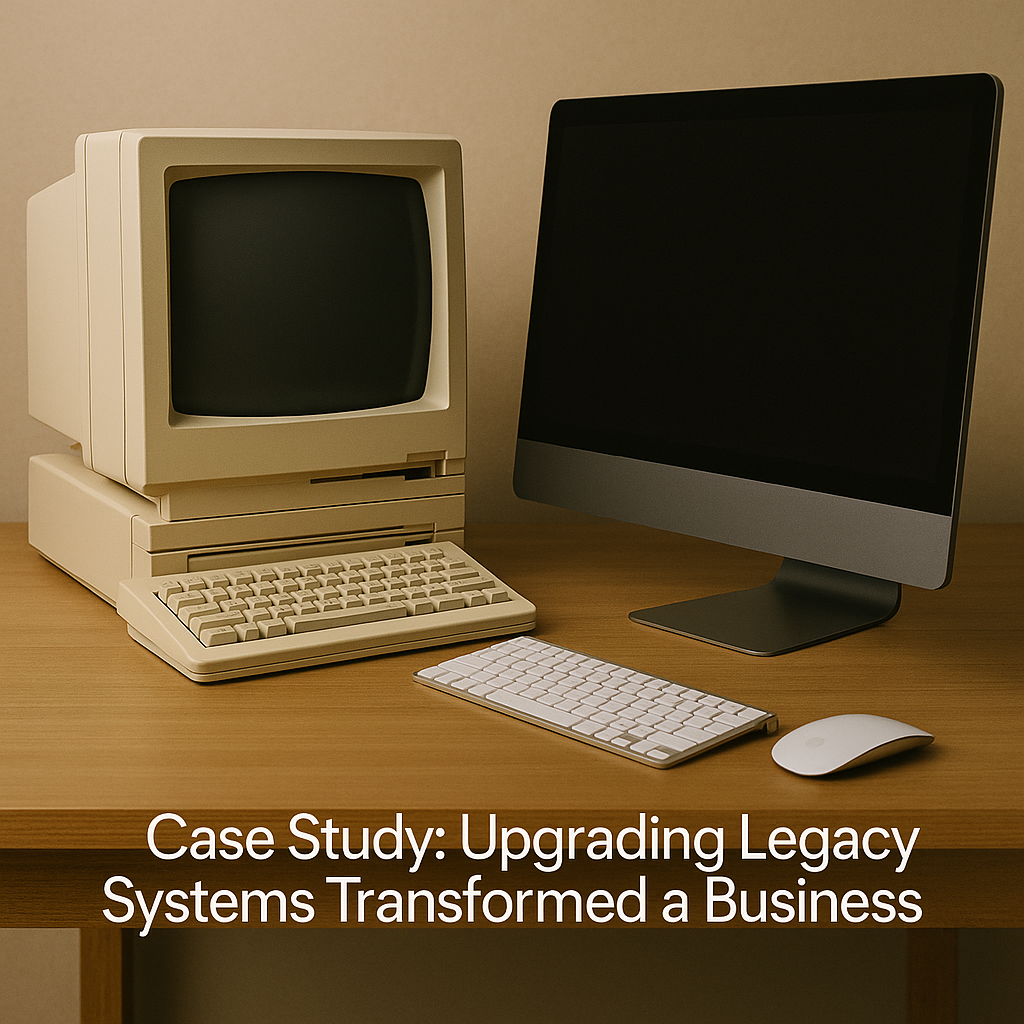
When companies struggle with outdated software and legacy systems, the challenge goes beyond mere technology—it affects their competitiveness in today’s fast-paced market. This in-depth case study explores how one business reinvented itself through a comprehensive legacy system modernization strategy. Discover how transforming old infrastructure can ignite remarkable growth and drive innovation.
Navigating the World of Legacy Technology
Small business owners and entrepreneurs frequently contend with outdated systems that lead to inefficiencies, rising maintenance costs, and missed opportunities. In this case study of a legacy system upgrade, the company realized that its aging software was not just a technological hiccup—it was a critical barrier to growth.
Legacy systems, once dependable, now lack the flexibility and innovative features needed to stay competitive. While they can support routine tasks, they often hinder new product development and adaptation to market demands. This challenge pushed the business to seek a balanced approach that preserved essential data and processes while embracing modern, agile solutions.
The Transformation Journey
The modernization journey began with strategic planning and a clear vision of the future. Company leaders analyzed current operations, pinpointed inefficiencies, and evaluated how advanced technology could accelerate growth. Central to the overhaul was a commitment to upgrading legacy systems for business growth—a solution designed to replace outdated systems while scaling with the organization’s ambitions.
Partnering with IT consultants experienced in legacy system modernization proved crucial. These experts conducted a comprehensive review of existing systems and recommended areas for modernization, integration with cloud-based solutions, or complete replacement. Their carefully crafted plan minimized daily disruptions while paving the way for future readiness.
Inclusive stakeholder engagement was another key factor. Involving team members from IT to front-line employees ensured the new system addressed practical challenges. Far from being just an IT upgrade, this transformation became a company-wide evolution that delivered tangible benefits to each department.
Redefining Operational Efficiency
With the planning complete, the company shifted its focus to implementation. A phased rollout of new applications ensured seamless integration with existing systems. This approach demonstrated firsthand how modern technologies can streamline operations, automate routine tasks, and reduce manual errors—freeing employees to tackle strategic revenue-generating projects.
The project also highlighted the importance of robust data management. Modern systems offer real-time analytics, enhanced security protocols, and deeper customer insights, all of which boost productivity. Continuous monitoring allowed the business to quickly address any performance issues, ensuring a smooth transition at every stage.
Training sessions and workshops ensured that all employees—from operational staff to senior management—became confident users of the new system. With intuitive interfaces and integrated best practices, even teams unfamiliar with advanced technology quickly adapted. It wasn’t long before the benefits of this modernized environment translated into clear business growth.
Impact on Business Growth and Customer Experience
This legacy system modernization had a measurable impact on business performance. Upgrading legacy systems for business growth led to significant improvements—from cost reductions to enhanced service delivery. With agile systems in place, the company could respond swiftly to market demands, launch new products quickly, and significantly improve customer experiences.
Reputable sources like Forbes have highlighted that modernizing IT systems is not only a technical upgrade but also a strategic imperative in the digital age. The transformation reduced operational costs while boosting customer satisfaction through improved reliability and fewer service disruptions, building long-term trust and loyalty.
Real-time dashboards and regular system updates provided unprecedented insights into key performance metrics such as inventory management, sales cycles, and customer engagement. With data-driven decision making at its core, management could address issues proactively, positioning the company as a nimble and forward-thinking competitor.
Moreover, the transition fostered a culture of innovation. Employees were encouraged to challenge traditional methods and embrace technology-driven strategies, enabling the organization to explore new revenue opportunities and adapt rapidly to market shifts.
Business owners seeking similar success can turn to resources like the insights available on comprehensive business solutions. These platforms provide expert advice and strategic planning frameworks to design a modernization roadmap that transforms technology from a barrier into a competitive advantage.
Long-Term Strategy and Future-Proofing
This case study underscores the importance of long-term strategic planning that extends beyond immediate needs. While the initial focus was on replacing outdated systems, the long-term goal was to build a scalable and secure infrastructure ready for future challenges. This forward-thinking approach is essential for any business striving to remain relevant in an ever-evolving technological landscape.
Emerging technology trends such as artificial intelligence, machine learning, and advanced data analytics are reshaping industries daily. Businesses that invest in modern systems experience quicker time-to-market for new products and are better equipped to navigate economic shifts. Upgrading legacy systems lays the groundwork for integrating these innovations effortlessly.
The upgrade process also highlighted the value of reliable post-implementation support. Establishing long-term partnerships with technology providers for continuous updates, proactive maintenance, and ongoing training helps businesses avoid recurring issues and focus on leveraging technology for sustainable growth.
This strategic approach to modernization transforms the way companies operate. Future-proofing your business is not just about adopting new technology—it’s about embedding innovation into the core of your business strategy, ensuring readiness to seize emerging opportunities in a dynamic market.
For more insights on how strategic IT investments can drive growth, Entrepreneur frequently features success stories of companies that have navigated similar modernization challenges, illustrating how updating infrastructure can create significant competitive advantages.
Ultimately, the business in this case study revitalized its technological backbone and transformed its overall operational mindset. The modernization initiative led to a more responsive market strategy, improved customer interactions, and laid the foundation for ongoing innovation. This journey from outdated, rigid systems to a flexible, modern approach serves as a compelling roadmap for any company facing similar challenges.
- Modernization unlocks hidden efficiencies and accelerates business growth.
- A successful legacy system upgrade requires thorough planning and stakeholder involvement.
- Modern technology delivers real-time data insights, enhanced security, and improved customer service.
- Investing in continuous IT support and future-proof strategies secures long-term competitive advantage.


