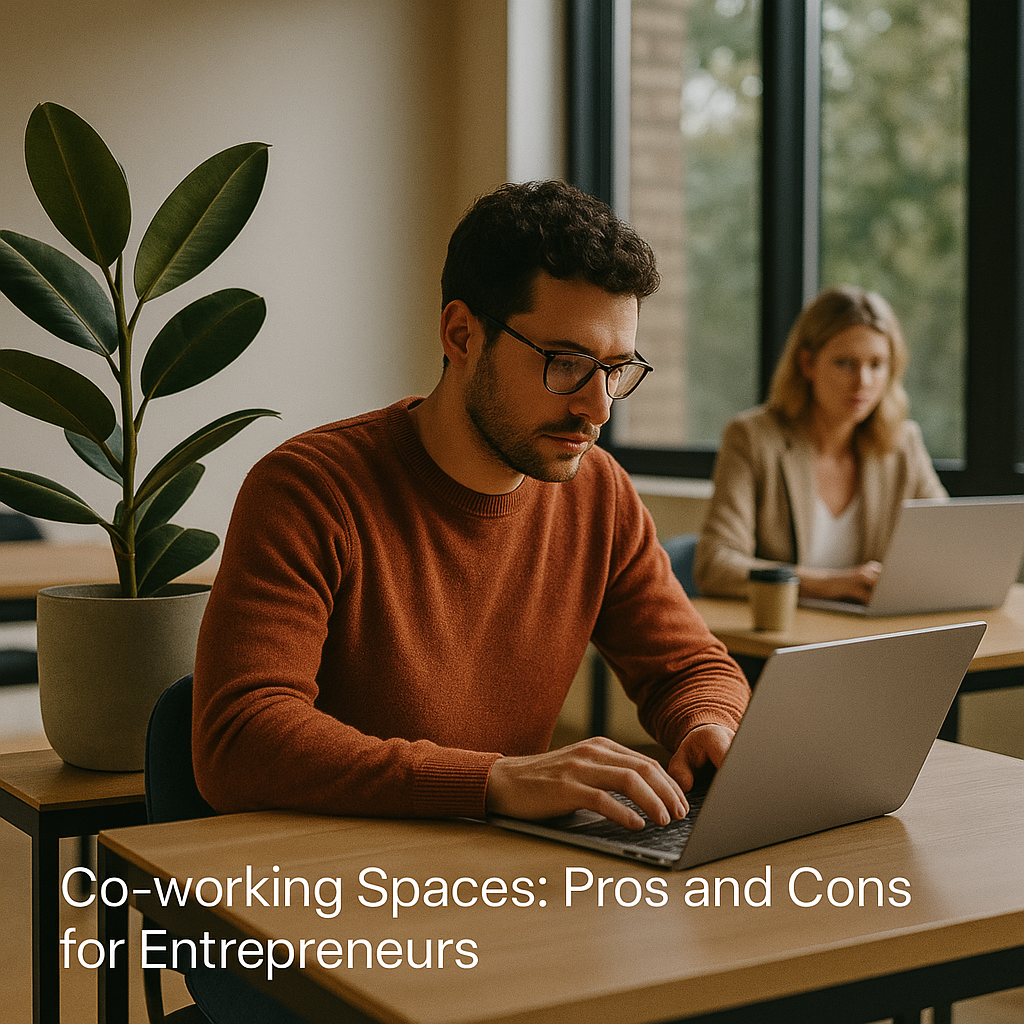
The modern workspace is evolving rapidly, and entrepreneurs and small business owners are discovering that co-working spaces can spark creativity, boost efficiency, and foster collaboration. However, before making a commitment, it’s essential for startup founders to weigh the pros and cons of co-working spaces. This article explores flexible setups, networking opportunities, potential distractions, and privacy concerns—providing an in-depth guide to help you decide if a co-working environment meets your business needs.
The Growing Appeal of Co-working Options
Co-working spaces have become increasingly popular due to their flexible and welcoming environments. More than just a desk, these spaces cultivate a sense of community, innovation, and open communication. Entrepreneurs are drawn to this dynamic setting because it offers an adaptable solution that nurtures creative thinking while supporting the unpredictable demands of a startup.
Startup founders appreciate that co-working spaces eliminate long-term leases and reduce overhead costs compared to traditional offices. Equipped with high-speed internet, meeting rooms, and coffee bars, these workspaces are designed for enhanced productivity. One of the main advantages of co-working is the opportunity to network with like-minded professionals, sparking new ideas and paving the way for potential collaborations. For more insights on setting up creative work environments, check out Co-working Environment Tips.
Research, including insights from Forbes, has shown that a vibrant co-working community significantly contributes to innovation and job satisfaction. The open and flexible layout of these spaces serves as a powerful incubator for fresh ideas, making them an attractive option for startup founders evaluating the benefits and drawbacks of co-working.
Navigating the Challenges and Drawbacks
Despite the many benefits, co-working spaces come with potential drawbacks. For some business owners, the constant flow of people may become overwhelming, especially when a quiet and uninterrupted workspace is needed. While many co-working venues offer quiet zones and private offices, the overall open layout can lead to distractions that are less common in traditional office settings.
Privacy is another significant concern. Entrepreneurs handling sensitive projects or confidential client information may struggle to maintain data security in a shared space. When evaluating the co-working space benefits and drawbacks, it’s important to consider whether the communal atmosphere might unintentionally expose proprietary business information.
Additionally, while networking opportunities abound, not every interaction will result in a meaningful connection or a beneficial collaboration. Some individuals simply view these spaces as a place to work, which can limit the potential for innovation. Balancing flexibility and community engagement with the risks of distractions and security concerns is crucial for a successful co-working experience. Business owners should carefully consider these factors before transitioning entirely to a co-working model.
Comparing Co-working with Traditional Offices for Business Owners
Many entrepreneurs face the challenge of choosing between a dedicated office and a co-working community. One of the key considerations is cost efficiency. Co-working spaces typically require lower initial investments and offer various membership plans, making them a cost-effective option for startup founders aiming to conserve capital while maintaining a professional image.
Another benefit of co-working is instant access to a thriving community. Instead of building a network from scratch, business owners can immediately immerse themselves in an ecosystem that may lead to serendipitous meetings with potential clients, mentors, or investors. These organic connections can drive growth far more effectively than traditional marketing strategies.
However, traditional offices offer their own advantages. A dedicated office provides enhanced privacy, stability, and an environment tailored to your company’s brand. For businesses that require strict data control or a consistent in-house culture, a traditional office might be a better fit.
The choice between co-working spaces and traditional offices does not have to be absolute. Recognizing the trade-offs and aligning the workspace with your company’s goals, culture, and operational needs is essential. By understanding these dynamics, you can strategically choose an environment that supports your current business stage and future growth.
Strategies for Maximizing Your Co-working Experience
If you decide that co-working is the right choice for your startup, several strategies can help maximize your experience while mitigating challenges. Start by selecting a location that offers various work environments—spaces that combine communal areas for networking with quiet zones for focused work. This flexibility allows you to switch between collaboration and concentration as needed.
Establishing clear boundaries and routines is also key. Even in a dynamic setting, maintaining a balanced schedule can help manage distractions. Designate specific times for meetings, deep work, and breaks to ensure uninterrupted periods of productivity while still enjoying community benefits.
Engage with your co-workers by participating in events, workshops, and networking sessions often organized by co-working spaces. These interactions can lead to partnerships, new perspectives, and resource sharing. Active participation in the community transforms potential distractions into opportunities for collaboration.
Stay adaptable and open to experimenting with different environments. While many co-working spaces offer inherent advantages, the drawbacks may vary based on location and personal work style. If you’re interested in complementary insights, consider exploring business growth strategies that enhance your workspace efficiency.
Ultimately, the decision to transition to a co-working space should be made with a clear understanding of both its benefits and challenges. By analyzing the pros and cons, you can choose a workspace that not only meets your immediate business needs but also scales with your growth. Every entrepreneur’s journey is unique, and the right workspace should evolve along with your business.
Before making a final decision, consider the impact of the workspace culture on your daily operations. A high-energy, collaborative setting can boost morale and fuel innovation, while frequent disturbances may hinder your focus. Weigh the energy of the environment against your need for concentration and privacy.
If you’re unsure, start with a short-term lease or trial period in a co-working space. This approach allows you to test the waters without a long-term commitment and gain valuable insights into how different environments affect your productivity and creativity.
There’s no one-size-fits-all solution in today’s dynamic work environment. Each entrepreneur must assess the co-working space benefits and drawbacks in relation to their unique challenges, work habits, and growth ambitions. With a thoughtful strategy, you can transform any workspace—shared or private—into a launchpad for success.
- Co-working spaces offer a flexible, cost-effective environment and foster valuable networking opportunities.
- Potential drawbacks include distractions, limited privacy, and security concerns.
- Understanding the advantages and disadvantages of co-working spaces is crucial for making informed decisions.
- Experimenting with diverse workspaces and establishing clear routines can enhance productivity in a co-working setting.


