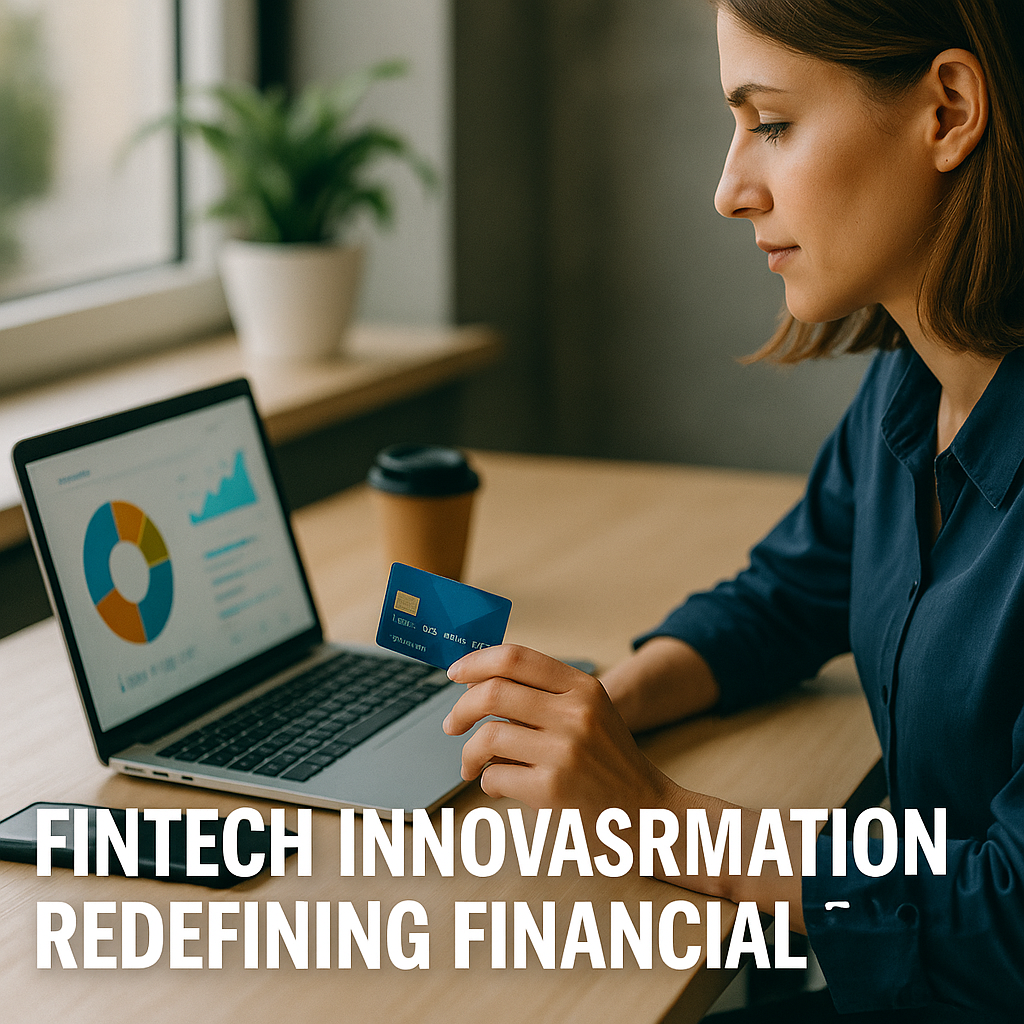
Financial technology is revolutionizing how entrepreneurs and small business owners manage their everyday operations. Gone are the days of paper-based systems and outdated banking practices. Today’s dynamic digital finance landscape empowers businesses across all industries to harness advanced financial innovations, driving efficiency, growth, and customer engagement.
Evolving the Digital Banking Landscape
The rise of disruptive fintech trends in digital banking is reshaping the financial industry. Traditional banks are now compelled to innovate as tech-savvy competitors introduce mobile wallets, peer-to-peer lending platforms, and blockchain-based solutions. These technologies are not only enhancing convenience but also transforming the way financial data is stored, managed, and transacted.
These breakthrough trends simplify monetary transactions while reinforcing essential security measures for sensitive financial data. For entrepreneurs, this transformation offers a streamlined, transparent, and flexible client experience. Many experts believe that these innovations will pave the way for an inclusive, efficient financial ecosystem.
Leading publications like Forbes have noted that these fintech improvements represent a fundamental re-engineering of the digital banking framework. Whether you run a startup or manage a small company, adopting these technologies can provide you with a significant competitive advantage.
The Drive Behind Innovative Fintech Solutions
The buzz around innovative fintech solutions for modern financial services continues to grow. Rising customer expectations and the demand for operational efficiency are driving financial institutions to invest heavily in research and development. Today’s software platforms integrate artificial intelligence, machine learning, and big data analytics to deliver actionable business insights.
Imagine instantly analyzing consumer behavior, detecting potential fraud, or forecasting cash flows in real-time. Fintech firms are making these capabilities a reality, enabling small business owners to make data-driven decisions that were once the exclusive domain of large institutions.
The user-friendly design and accessibility of these platforms are particularly attractive. By incorporating fintech innovations into daily operations, companies can effortlessly manage tasks from payroll processing to expense tracking. This not only streamlines accounting but also reduces administrative burdens significantly.
Adopting these powerful tools signals a cultural shift in financial management. While transitioning to new systems requires an investment in time and resources, the long-term rewards are remarkable: significant cost savings, faster transactions, and highly accurate financial forecasting that keep you ahead in a competitive market.
The Role of Cutting-Edge Technologies
Digital platforms continue to evolve with cutting-edge fintech technologies redefining finance. Cloud computing, for instance, has transformed data storage and processing capabilities by offering secure, scalable, and flexible solutions for financial management. With cloud-based systems, businesses can perform complex tasks without major hardware investments.
Blockchain technology is another transformative tool that enhances transparency and security in financial transactions. Its decentralized model minimizes fraud and builds trust between parties, benefiting entrepreneurs—especially in supply chain finance and international remittances.
Furthermore, artificial intelligence and machine learning algorithms analyze vast data sets to predict trends, automate routine tasks, and deliver personalized banking services. An AI-powered chat assistant, for example, can manage customer inquiries around the clock, allowing staff to focus on strategic business growth.
This integration of advanced technology with finance creates a fertile environment for innovation. Companies leveraging these systems enjoy improved operational efficiencies, higher customer satisfaction, and a stronger bottom line. Embracing these technologies is no longer optional but essential for sustainable business growth.
Leveraging Fintech for Entrepreneurial Growth
The impact of fintech innovations stretches well beyond traditional banking. Entrepreneurs now have access to tools that boost operational agility and reduce costs. Fintech solutions help manage cash flows, process payments, and secure funding at competitive rates—benefits that are especially advantageous for small businesses.
Integrating modern financial technology into your business model can elevate your service offerings. Digital wallets and online payment portals accelerate transaction times and reduce errors, enhancing customer satisfaction and trust. By automating routine tasks, you free up resources to invest in strategic areas like business development, marketing, and customer service.
Cultivating an agile mindset is essential for navigating the fast-paced world of fintech. Many forward-thinking companies are partnering with technology firms to implement these innovations. Explore insightful business strategies designed for entrepreneurs and small business owners to stay ahead in dynamic markets.
By leveraging fintech technologies, businesses not only streamline financial management but also enhance their competitive positioning. Rapid deployment of new solutions allows companies to adapt quickly to market changes and evolving customer needs. In this fast-changing landscape, proactive technology adoption is a strategic imperative.
Fintech is also revolutionizing the funding landscape. Crowdfunding platforms, venture capital management systems, and automated investment tools have democratized capital access. Entrepreneurs can secure the resources needed to expand their ventures without relying solely on traditional banks, contributing to a more inclusive financial ecosystem where innovative ideas can thrive.
While traditional financial institutions adjust to these transformative changes, fintech firms continue to lead the charge with solutions tailored to today’s complex business needs. These innovations improve customer service, risk management, and overall money management, blurring the lines between traditional banking and digital finance. This evolving ecosystem offers tremendous opportunities for businesses ready to embrace change.
Entrepreneurs and small business owners should view this as a prime opportunity to reimagine their financial strategies. By leveraging fintech solutions, you can optimize operations and build stronger customer relationships. Although the transition to a digital finance environment may seem challenging, the rewards are substantial for those who invest in the future of their business.
The rapidly evolving world of fintech sends a clear message: change is inevitable. Success in this environment depends on adaptability, foresight, and a continuous commitment to learning. Whether you choose to overhaul your entire financial system or gradually integrate new technologies, staying informed about fintech advancements is essential for long-term success.
- Digital banking is evolving rapidly with disruptive fintech trends transforming transaction processes.
- Innovative fintech solutions streamline operations for entrepreneurs and small business owners.
- Cutting-edge technologies like AI, blockchain, and cloud computing are revolutionizing financial processes.
- An agile approach to technology adoption is critical for sustainable business growth.