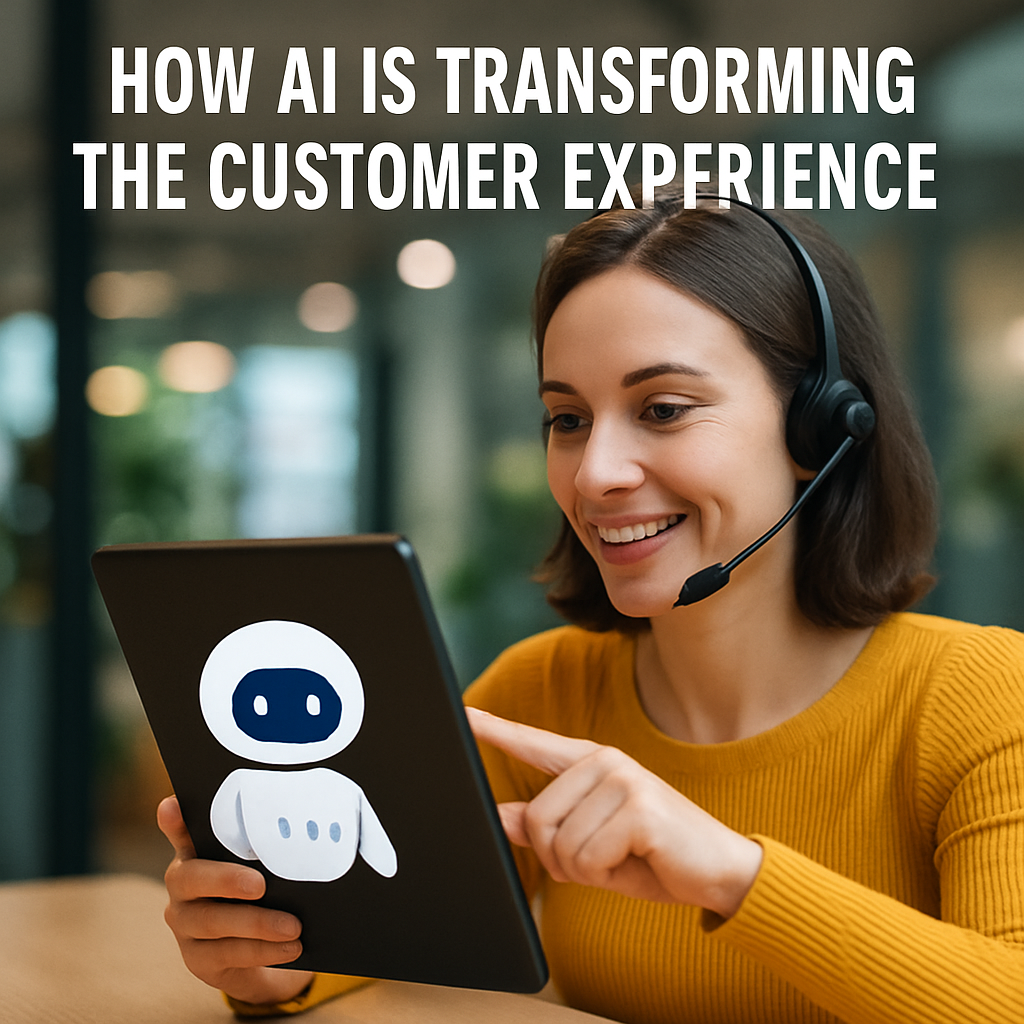
The business landscape is evolving rapidly as innovative technologies reshape traditional practices. At the forefront of this transformation is artificial intelligence (AI), fundamentally changing how entrepreneurs and small business owners interact with customers. This revolutionary shift enhances every step of the customer journey, making it essential for businesses to understand how AI is transforming customer experience to stay competitive and deliver exceptional service.
Elevating Customer Interactions with AI
Traditionally, customer service relied on scripted responses and manual processes. Today, AI integration introduces unprecedented efficiency and personalization. Advances in natural language processing and machine learning empower systems to understand customer nuances, predict needs, and deliver real-time solutions. This shift transforms customer support from reactive problem-solving to proactive and insightful engagement.
One major improvement is the increased speed and accuracy of responses. Chatbots and virtual assistants handle common queries while continuously learning from every interaction. Over time, these systems can anticipate customer concerns and offer proactive solutions, such as troubleshooting product issues or providing tailored recommendations. AI-driven interfaces create seamless interactions that delight customers and strengthen brand loyalty.
Personalization: The Game-Changer
Among AI innovations, personalization stands out as a key differentiator. AI-powered personalization customizes each interaction by analyzing individual preferences, behaviors, and history. This approach moves away from a one-size-fits-all model, offering unique experiences that resonate with each customer.
Imagine an online retailer suggesting products based on a shopper’s past purchases, search behavior, and browsing habits. Such tailored recommendations not only drive sales but also make customers feel understood and valued. Small business owners can achieve similar results by analyzing data from varied channels, refining marketing strategies, and driving engagement and conversions.
A recent study featured in Forbes highlights how data analytics and AI are reshaping consumer expectations across businesses of all sizes.
Streamlining Operations and Enhancing Efficiency
AI technologies also streamline internal operations by automating tasks such as appointment scheduling, order tracking, and follow-up communications. This automation frees up valuable time for small business owners to focus on strategic, high-value activities.
By eliminating repetitive tasks, resources can be redirected to reduce operational costs and maximize efficiency. AI-enabled customer relationship management (CRM) systems analyze market trends and consumer data in near real-time, bridging the gap between customer needs and business capabilities.
Entrepreneurs can explore innovative strategies and practical advice on platforms like business growth insights, staying ahead in the rapidly evolving digital landscape.
Building Trust and Reliability in the Age of AI
A common concern is whether AI might erode the human touch in customer service. In reality, AI complements human expertise by handling routine inquiries, allowing human agents to focus on complex issues that require empathy and strategic judgment.
Combining technology with human insight leads to superior customer outcomes. Customers appreciate swift AI responses and also value the empathy and problem-solving skills of human representatives. This balanced approach builds trust and reinforces long-term relationships—an essential factor in today’s competitive market.
Transparency is key when integrating AI. Businesses that clearly communicate how they use AI to enhance customer experience build greater trust. Open discussions about data usage, security measures, and the benefits of AI reassure customers that their privacy and interests remain a priority.
As ethical guidelines and best practices evolve, responsible AI implementation not only elevates customer experience but also establishes a foundation of reliability and mutual respect between businesses and their customers.
Entrepreneurs stand to gain significantly by embracing these advancements early. Whether improving response times, delivering personalized recommendations, or optimizing support channels, now is the time to leverage AI to revolutionize customer experience.
Predictive analysis powered by AI further enhances long-term benefits by forecasting customer behavior trends. This proactive approach allows businesses to adjust their offerings to meet emerging demands in a rapidly changing market, ensuring they stay ahead of the competition.
The fusion of AI and human insight not only improves service delivery but also deepens the understanding of market trends. By analyzing customer interactions and engagement patterns, businesses can uncover latent needs, positioning themselves as industry innovators and gaining a competitive advantage.
As AI continues to advance, decision-makers must continually reassess and adapt their strategies to meet evolving customer expectations. This dynamic integration of technology and care sets a new standard for exceptional customer interactions.
Looking ahead, further developments in AI and data analytics will redefine what exceptional customer service means. Enhanced language models and deeper analytical insights will expand the boundaries of service excellence, driving ongoing innovation in customer experience.
In summary, AI is far more than a tool—it’s a catalyst for continuous growth, innovation, and enhanced customer engagement. By merging technology with personalized human interaction, businesses can deliver superior experiences that foster loyalty and drive sustainable growth.
- Real-time, customized customer service through AI.
- Personalized interactions that boost engagement and loyalty.
- Automated routines that free up resources for strategic priorities.
- Responsible AI integrations that preserve the human touch and build trust.