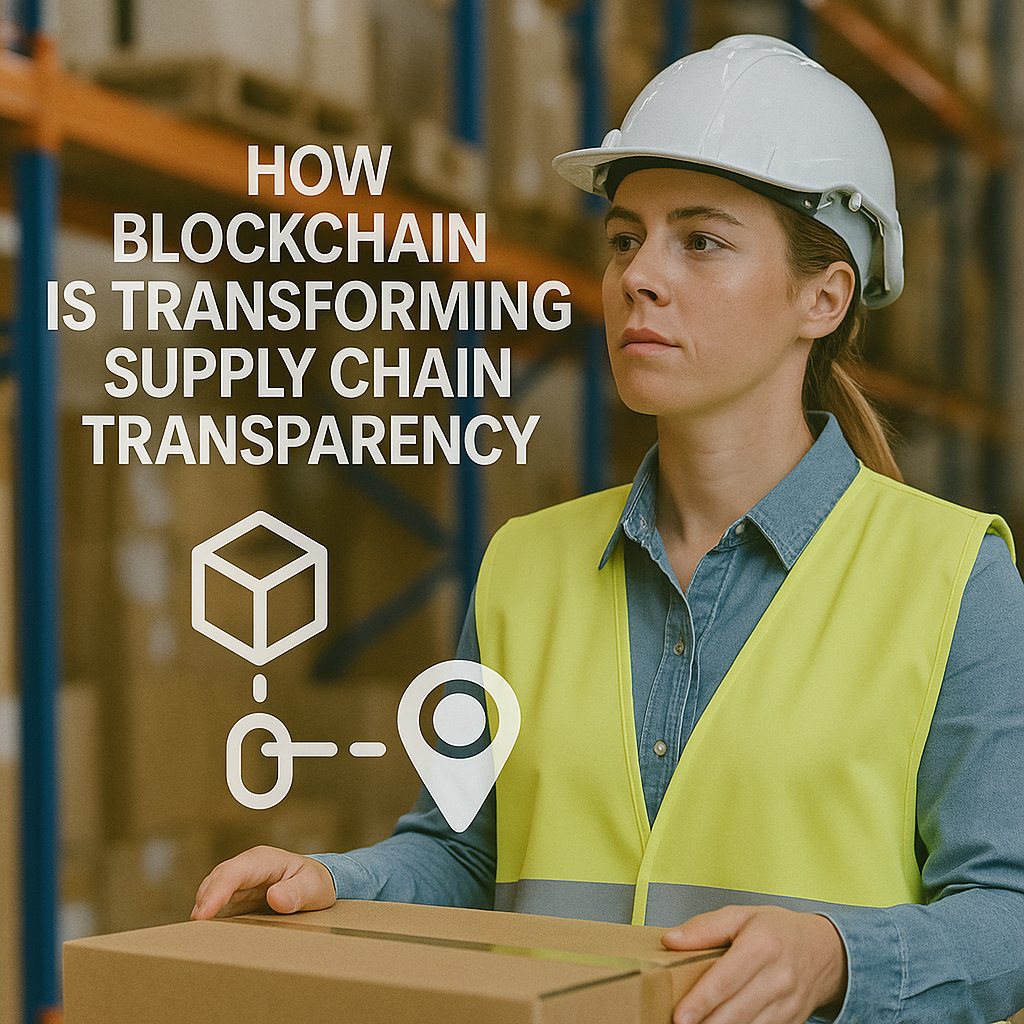
In today’s digital marketplace, businesses are prioritizing transparent and efficient supply chains. Consumers increasingly demand ethical practices and verifiable product origins. Enter blockchain technology—a revolutionary innovation that is redefining supply chain transparency. Although the concept may seem complex at first, blockchain is reshaping business operations by enhancing accountability, efficiency, and trust.
Unlocking Blockchain’s Potential to Enhance Supply Chain Efficiency
At its core, blockchain is a decentralized ledger that securely records transactions across multiple computers. This tamper-proof system is rapidly transforming supply chain management by enabling businesses to monitor every phase—from raw material sourcing to product delivery. With blockchain-powered solutions, companies can significantly reduce fraud risks and pinpoint issues as soon as they occur.
Entrepreneurs and small business owners are discovering that integrating blockchain increases supply chain accountability. By maintaining an immutable record of every transaction, blockchain not only modernizes accountability practices but also strengthens consumer trust with a verifiable history of each product.
The Real-World Impact: Enhancing Supply Chain Accountability with Blockchain
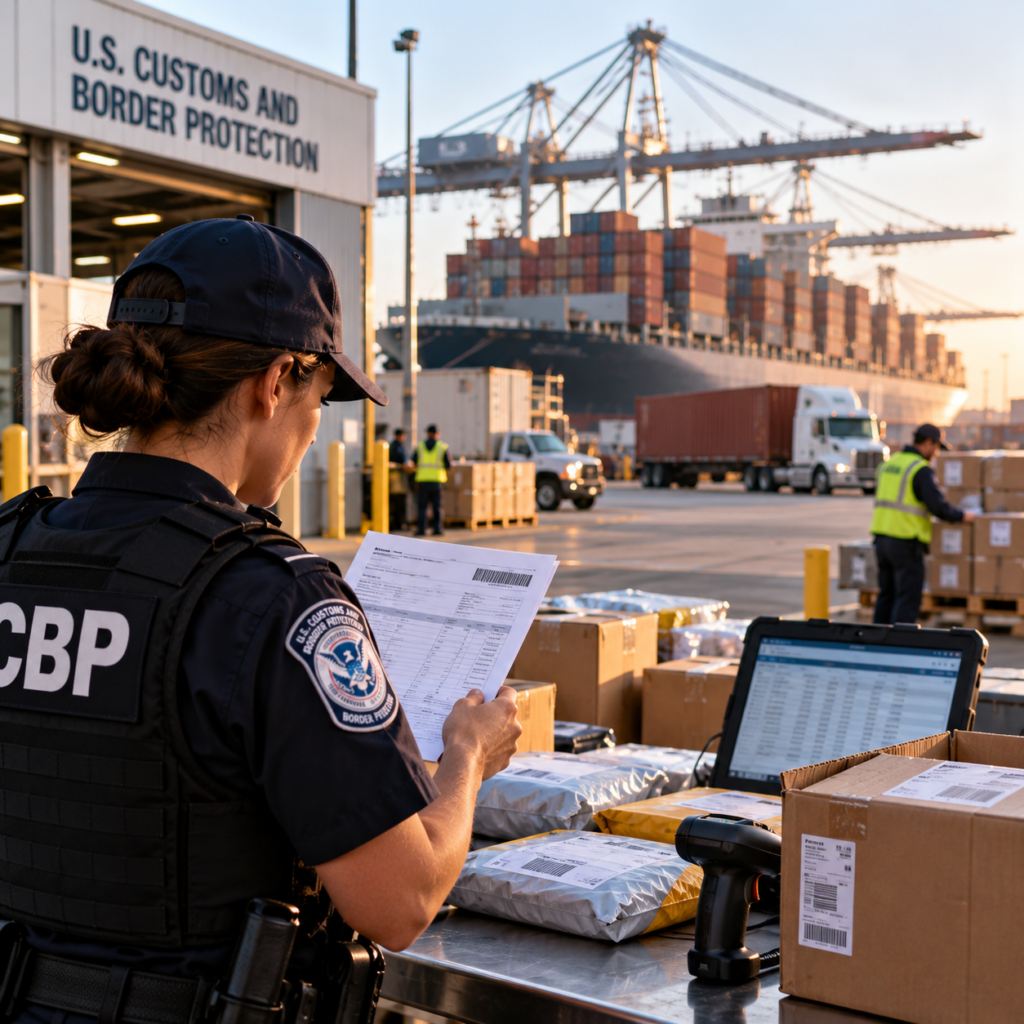
A major advantage of blockchain is its ability to boost traceability and accountability. With every manufacturer, shipper, and distributor recorded on a permanent ledger, businesses can quickly trace the origin of any shipment or verify product authenticity. This level of transparency not only saves time and money but also builds a robust reputation in competitive markets.
Consider a small business sourcing organic products for a health-conscious audience. Implementing blockchain solutions allows such businesses to provide detailed insights into product sourcing, handling, and storage. By demonstrating a commitment to quality and accountability, these businesses can meet regulatory requirements and stand out from the competition.
For example, a recent article in Forbes showcased how blockchain enhances supply chain resiliency and accountability. Real-world cases like these inspire companies of all sizes to explore blockchain technology and set new industry standards.
Implementing Blockchain Solutions for Your Business
Although the technology behind blockchain may seem overwhelming, its implementation is becoming increasingly accessible. Entrepreneurs and small business owners are finding that the long-term benefits far exceed the initial learning curve. Many technology partners now offer customized, scalable blockchain solutions tailored to your business needs.
The integration process starts with identifying key supply chain touchpoints where data integrity is critical. With the right partner, you can deploy a blockchain system that logs every transaction in an immutable ledger, encouraging best practices and creating a reliable audit trail.
Many platforms also provide user-friendly dashboards that enable real-time monitoring of product movement. For further business growth insights, visit our site at Make Business, where we share practical advice on digital transformation in supply chains.
Future Prospects and Strategic Advantages
The shift toward full supply chain transparency is more than a passing trend—it’s a fundamental reimagining of business operations. Incorporating blockchain not only minimizes risks but also cultivates a culture of open communication and trust. Early adopters enjoy competitive advantages such as enhanced brand credibility, fewer operational disruptions, and stronger customer engagement.
As product safety and ethical sourcing regulations evolve, proactive companies leveraging blockchain are better prepared to adapt. Innovative initiatives are already exploring how blockchain can work alongside IoT sensors to monitor environmental conditions across the supply chain. This integrated approach ensures that products are delivered efficiently, sustainably, and ethically.
For small and medium-sized enterprises, this transformative technology fosters improved relationships with suppliers and customers alike. Whether you’re a local artisan or a regional manufacturer, understanding how blockchain enhances supply chain accountability empowers you to build robust, efficient, and trusted networks.
In the coming years, blockchain is expected to unlock even greater opportunities—from improving traceability in pharmaceutical distribution to ensuring food safety in agriculture. By staying informed and collaborating with industry experts, you can secure a leading position in this era of digital transformation.
Embracing blockchain isn’t just a technological upgrade—it’s a strategic move to future-proof your business. Each layer of transparency builds stronger customer relationships and a resilient supply chain capable of adapting to global market changes.
- Blockchain technology enables detailed, tamper-proof tracking of every transaction in your supply chain.
- Implementing blockchain enhances accountability with an immutable audit trail of product history.
- Blockchain solutions help mitigate risks, ensure regulatory compliance, and build consumer trust.
- Adopting blockchain today can future-proof your business against evolving market and regulatory challenges.