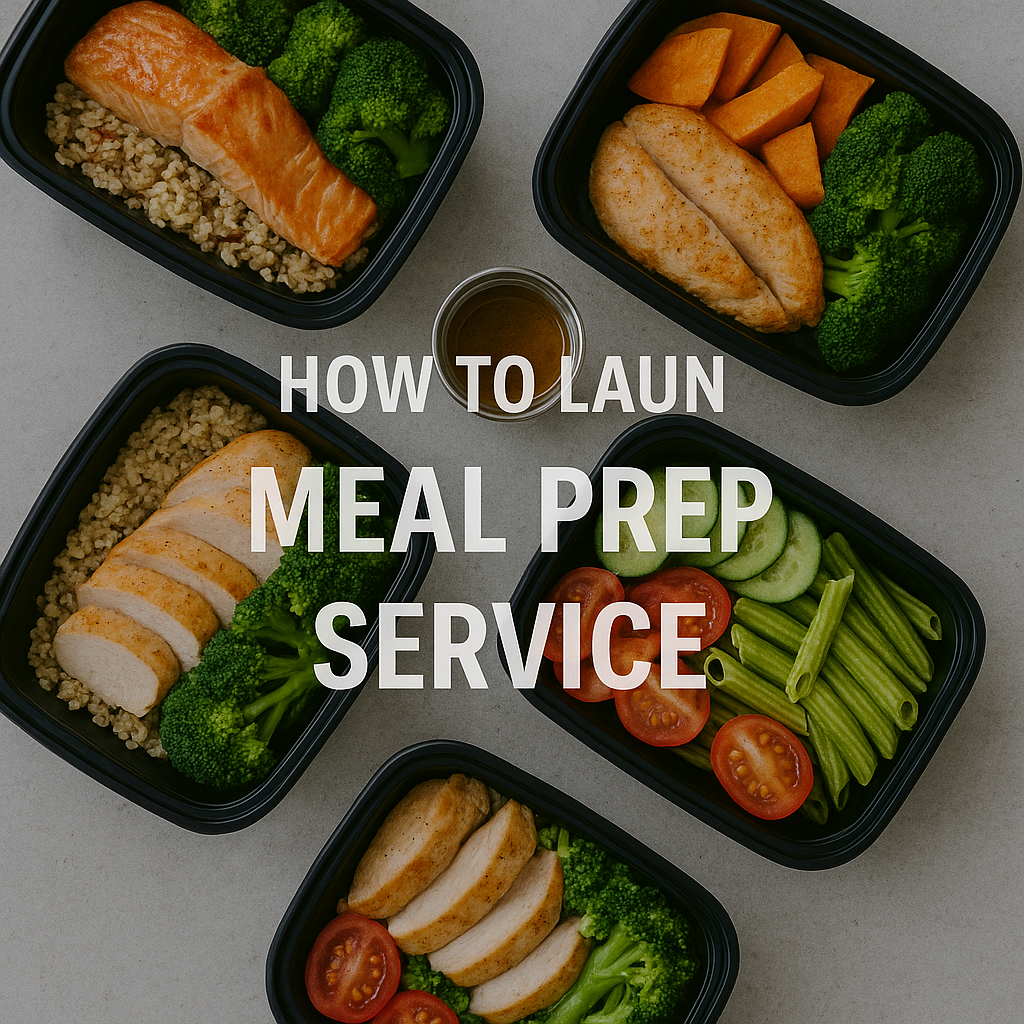
The meal prep industry is booming as more consumers seek convenient, healthy dining solutions. For entrepreneurs and small business owners venturing into this expanding market, knowing how to launch a successful meal prep service is crucial. Whether you’re an experienced restaurateur or a first-time business owner, this comprehensive meal prep startup guide covers everything from planning and menu development to marketing and operations.
Understanding the Current Landscape
The rise of healthy eating trends and fast-paced lifestyles has fueled demand for balanced, ready-to-enjoy meals. Today’s consumers are moving away from traditional fast food and embracing fresh, nutritious alternatives. The meal prep industry meets this need by offering tailored services that thrive in both urban and suburban settings.
Begin by conducting in-depth market research to identify your potential customers – from young professionals and busy families to athletes and niche dietary groups like vegans or individuals with food allergies. Understanding your audience enables you to customize your menu and pricing effectively. Additionally, analyze local competitors and online platforms to discover how you can offer a unique value proposition.
Recent insights from Forbes indicate that customers prioritize customization and convenience, along with quality. Designing a meal prep service that meets these modern expectations sets you up for long-term success.
Building a Robust Business Plan
A detailed business plan is your roadmap to success. This essential document will guide you through setting up and scaling your meal prep service. Key components of an effective plan include:
- Market Analysis: Identify your target market, study their buying behaviors, preferences, and spending habits.
- Financial Projections: Calculate expenses including ingredients, equipment, labor, rent, licenses, and permits. Include revenue estimates and a break-even analysis.
- Operational Plan: Define the workflow from sourcing ingredients to delivering meals while accounting for logistics, storage, food safety, and staffing.
- Marketing Strategy: Develop a plan that outlines how you will reach your target audience through both online and offline channels.
A well-developed business plan not only minimizes risks but also provides a step-by-step model to transform your concept into a thriving meal prep service. Refine your plan as new insights arise and adapt to market changes for sustained success.
Practical Steps to Launch Your Service
Designing Your Menu and Service Offering
Your menu is the heart of your meal prep service. Create dishes that combine flavor, nutrition, and visual appeal. Experiment with various cuisines and seasonal ingredients to give your meals a unique twist. Catering to specific dietary requirements—such as low-carb, gluten-free, or vegan—can significantly broaden your customer base.
Focus on portion control and quality packaging. Clearly communicating nutritional information can build trust with your customers. Invest in eco-friendly, high-quality packaging that preserves freshness and doubles as mobile advertising, aligning your brand with modern sustainability standards.
Streamlining Operations and Logistics
Efficient operations are vital for a successful meal prep service. Establish reliable relationships with suppliers and local farmers to secure fresh, cost-effective ingredients. Initially, a central production facility may be ideal, but as your business grows, consider partnering with third-party kitchens to manage increased volumes.
Food safety should be a top priority. Implement strict hygiene protocols and invest in comprehensive employee training. Stay current with local food safety regulations to prevent potential issues. Additionally, incorporate technology, such as inventory management software, to streamline supplies and maintain consistent meal quality.
Marketing Your Service Effectively
With your meal prep service in place, it’s time to focus on marketing. A compelling brand story and clear value proposition will help you stand out in a competitive market. Use social media to share behind-the-scenes content, customer testimonials, and nutritional tips. Combine content marketing, influencer collaborations, and local advertising to boost word-of-mouth referrals.
For instance, small business owners looking to improve their online presence might explore the business growth strategies offered by industry experts. Promotions for first-time subscribers or loyalty programs can also drive trial and repeat business.
Optimize your online visibility with local SEO strategies. Focus on keywords such as “launch a successful meal prep service” and “meal prep startup guide for beginners” to attract potential customers and investors. Engaging your community through workshops and live demonstrations can further strengthen personal connections and brand loyalty.
Financial Planning and Growth Considerations
Strong financial management is crucial from the start. Although initial investments can be significant, careful budgeting and cost control lead to sustainable profitability. Start with modest production volumes and scale gradually as demand increases, following a step-by-step meal prep business model to manage growth effectively.
Monitor all expenses closely, from ingredient costs to labor and packaging. Small cost-saving measures, like negotiating with suppliers or optimizing delivery routes, can significantly impact your bottom line. Reinvest early profits into marketing and operational improvements to strengthen your market position.
Regularly review your business plan against actual performance to make necessary adjustments. Stay alert to emerging trends and remain flexible; the dynamic food industry often demands quick pivots in response to changing consumer behaviors or technological innovations.
Building a successful meal prep service is also about forging strong relationships. Network with other food entrepreneurs, attend industry seminars, and join relevant associations to gain insights, foster partnerships, and uncover innovative ideas that can enhance your offerings. You might consider reading our Meal Prep Startup Guide for additional tips and strategies.
Solicit feedback from your initial customer base through reviews and surveys. This real-world data will help you refine your service to consistently meet customer expectations and boost your reputation as a quality-focused and responsive meal prep provider.
Remember, success takes time. Patience, persistence, and adaptability are key to overcoming challenges and sustaining a thriving meal prep service. With a clear, structured plan and the flexibility to seize new opportunities, your meal prep venture can stand out in a competitive market. For more insights into operational excellence, check out our post on Food Safety & Operations.
- Understand the target market and current trends for convenient, healthy meals.
- Develop a comprehensive business plan covering market analysis, financial projections, and operational strategies.
- Create a distinctive menu, invest in eco-friendly packaging, and use technology to streamline operations.
- Implement effective marketing strategies—including local SEO, community engagement, and customer feedback—to boost your brand presence.


