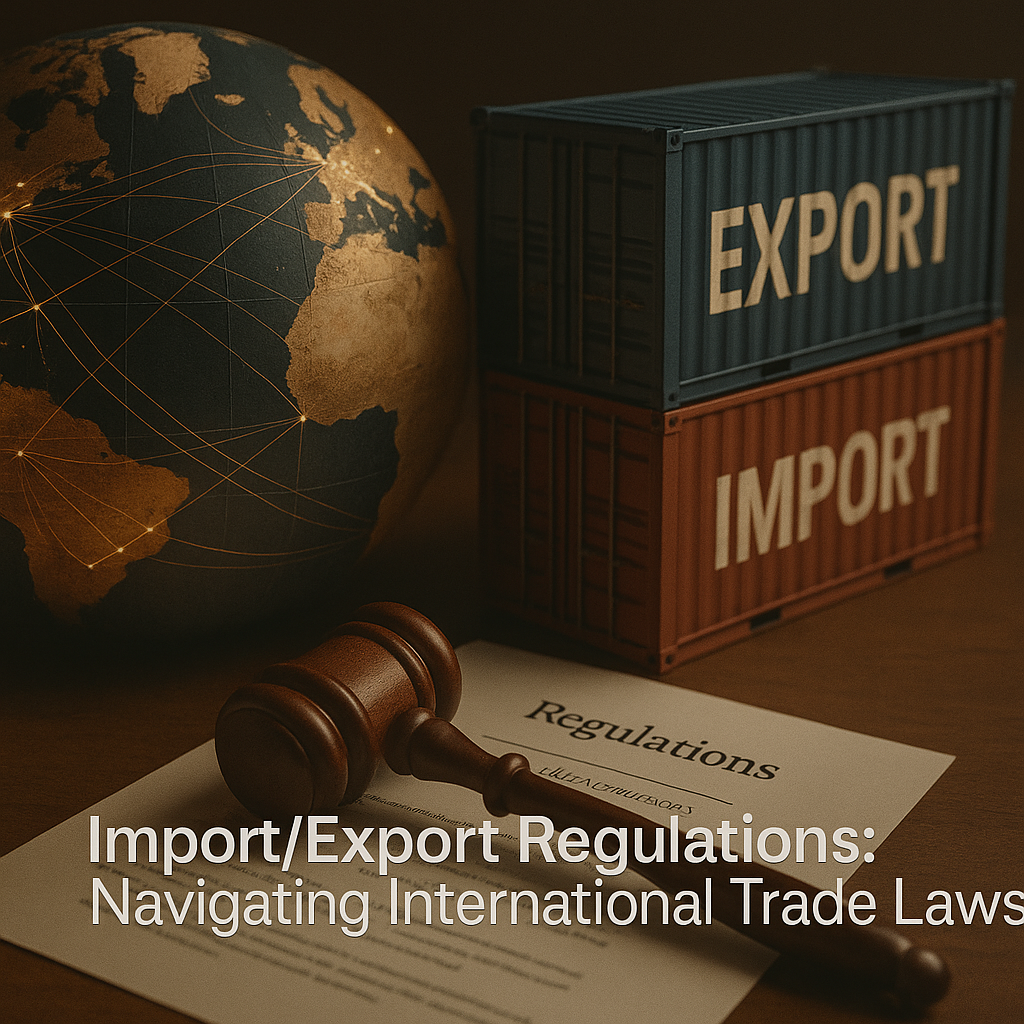
Import/Export Regulations: Mastering International Trade Laws
Expanding into foreign markets offers exciting opportunities for entrepreneurs and small business owners, while also presenting complex challenges. One of the most intricate areas to navigate is the world of international trade regulations. Developing a comprehensive import/export regulatory strategy not only ensures global compliance but also streamlines transactions and boosts your market credibility. For additional guidance on achieving seamless compliance, check out Trade Compliance Essentials.
In today’s dynamic business environment, staying updated on regulatory changes is essential. Whether you are transferring goods between neighboring regions or exploring entirely new markets, understanding international trade law compliance is vital to your business strategy. Explore these practical insights and strategies to confidently manage compliance and drive growth across borders.
Understanding the Complexities of International Trade Regulations
International trade is governed by a wide range of regulations that differ from one country to another. Factors such as tariffs, trade barriers, import quotas, and varying documentation requirements can all affect your operations. Every shipment demands a careful balance between meeting legal obligations and controlling costs. For entrepreneurs, this means building a robust framework that addresses both local rules and global trade compliance.
A common challenge is the proper classification of products, as misclassification can result in delays, fines, or even the seizure of goods. Keeping up with ever-changing standards requires vigilance and a proactive approach.
Numerous resources offer guidance on best practices. For instance, platforms like Make Business provide expert advice and strategic tools to help entrepreneurs achieve their compliance objectives.
Crafting a Future-Ready Import/Export Regulatory Strategy
When developing your import/export regulatory strategy, consider both immediate needs and long-term goals. This process goes beyond merely fulfilling legal requirements—it involves establishing an adaptable system that evolves with international trade law changes. For further strategies and insights, explore Navigating Global Market Regulations.
Here are some strategies to get you started:
- Consult with legal experts or trade consultants who specialize in international trade to stay ahead of regulatory updates and minimize compliance risks.
- Implement rigorous internal practices to monitor shifts in trade laws, such as regular audits or advanced business intelligence tools.
- Leverage modern technology that automates compliance tasks, from managing documentation and tracking shipments to flagging discrepancies before they become significant issues.
By taking these proactive steps, you not only enhance your ability to navigate international trade law compliance but also turn regulatory challenges into strategic advantages.
Adapting in a Rapidly Changing Regulatory Environment
The ability to remain flexible is one of the most valuable assets in today’s global market. With international trade regulations constantly evolving due to technological, political, and economic factors, your business must be agile enough to adapt quickly.
Industry leaders, as featured on platforms like Forbes, recommend leveraging digital tools to manage compliance effortlessly. These technologies not only streamline paperwork but also offer real-time data to support better decision-making.
Digital platforms can simplify the management of sensitive documentation, such as customs paperwork and shipping manifests, by automating compliance checks and reducing human error. Staying connected with trade associations and industry groups through webinars, workshops, and conferences can also provide early insights into regulatory changes, helping you build a resilient compliance strategy.
Building a Culture of Compliance in Your Organization
Effective international trade strategies are built on more than just advanced technology and legal expertise—they require a company-wide commitment to compliance. When every team member understands the importance of adhering to trade laws, consistency and accountability become the norm.
Consider these methods to foster a strong compliance culture:
- Establish continuous training programs that keep your staff informed about regulatory updates and industry best practices.
- Encourage a proactive work environment where employees are empowered to report potential compliance issues and suggest improvements.
- Regularly update your internal policies to ensure they align with current legal standards and operational practices.
This proactive approach not only minimizes risks but also builds trust with international partners, laying the foundation for long-term business success. By integrating compliance into your company’s core values, you create a resilient system capable of weathering regulatory challenges while supporting sustainable growth.