Entrepreneurs and small business owners face daily challenges in building and maintaining strong customer relationships. In today’s fast-paced digital era, consumers demand personalized interactions rather than the outdated one-size-fits-all approach. Leveraging technology is now essential in creating memorable customer experiences that foster loyalty and drive sustainable growth.
Embracing Digital Transformation for a Personalized Experience
Digital transformation is not just a buzzword—it is a strategic necessity for businesses aiming to stay competitive. By integrating technology solutions that enhance customer experience, companies can streamline operations and build meaningful connections. Advanced customer relationship management (CRM) systems analyze data to offer actionable insights, enabling tailored services that meet individual needs. This integration bridges the gap between digital efficiencies and human warmth, a blend that modern customers deeply appreciate.
Adopting digital strategies is more than installing new software—it’s about cultivating a customer-centric culture. When every team member focuses on enhancing the customer journey, technology becomes a powerful tool to improve satisfaction. Businesses recognize that advanced technology supports, rather than replaces, genuine human interactions by making every engagement smoother and more intuitive.
Innovative Tech Tools for Customer Delight
Innovative tech tools have reinvented customer support. Chatbots and virtual assistants now provide immediate, around-the-clock responses, ensuring customers receive real-time assistance even during high-traffic periods. These digital agents not only manage inquiries efficiently but also offer personalized advice based on previous interactions, greatly reducing wait times and boosting customer satisfaction.
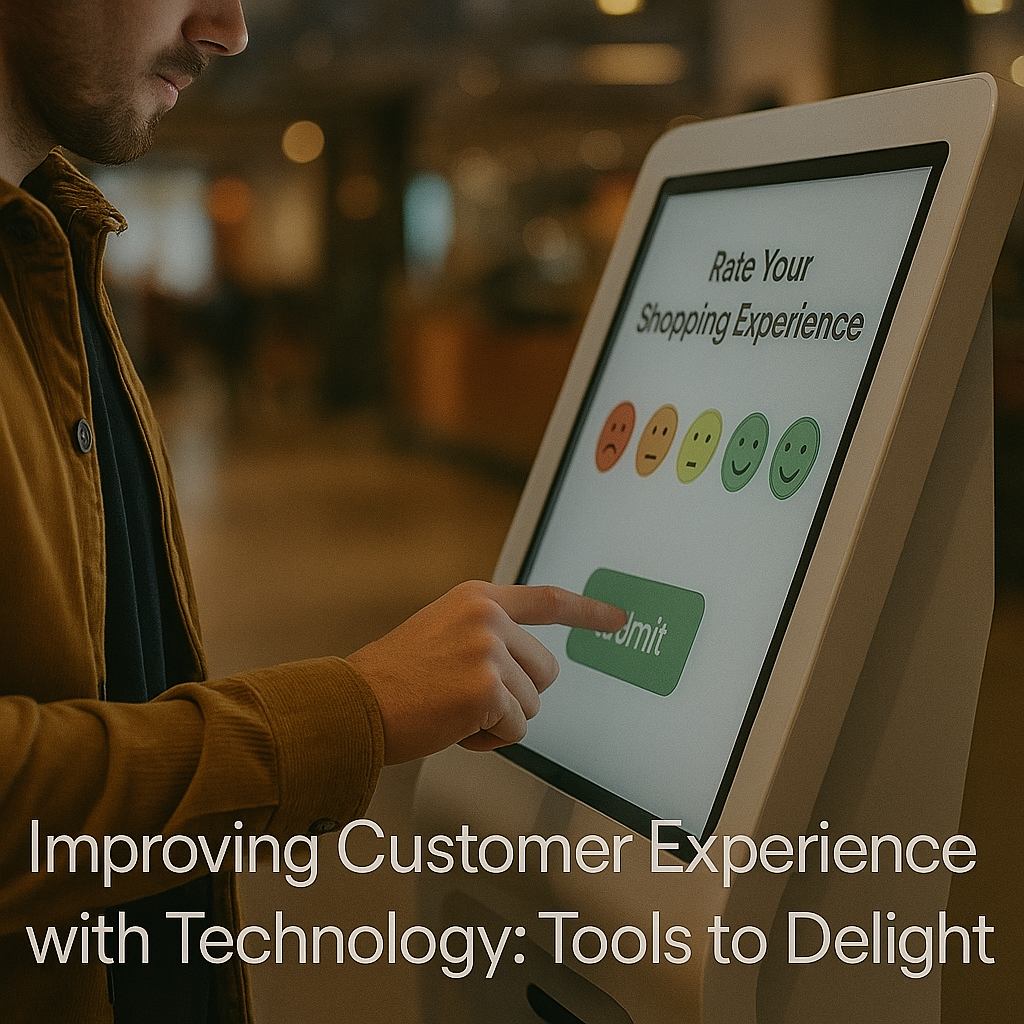
Automated feedback systems are another breakthrough. Using smart surveys and social media monitoring tools, businesses can capture real-time customer sentiment and swiftly address issues. This proactive approach to problem-solving is crucial in today’s dynamic market, allowing companies to adapt and meet evolving needs. Moreover, employing these tech innovations ensures businesses consistently anticipate future customer demands.
Mobile-friendly solutions are equally important. With an increasing number of customers using smartphones to research products and connect with brands, a seamless mobile experience is a must. Whether through a dedicated mobile app or responsive website design, investing in mobile optimization drives higher engagement and builds lasting brand loyalty.
Leveraging Data and Personalization for Enhanced Service
Data analytics has transformed how businesses understand and serve their customers. With insights drawn from purchase history, social media interactions, and browsing behavior, companies can create deeply personalized experiences. This enables tailored recommendations, promotions, and a unique approach that resonates with each customer.
Even small businesses can benefit from advanced analytical tools typically used by larger corporations. By segmenting customer demographics and analyzing purchasing patterns, companies optimize inventory, refine marketing strategies, and predict trends. These data-driven insights empower businesses to meet customer expectations proactively and improve satisfaction with advanced technology.
Personalization should start at the first interaction. Loyalty programs that go beyond simple point systems—customized based on individual purchasing history and preferences—make customers feel valued. For example, recommending sustainable products to those interested in eco-friendly choices demonstrates thoughtful and responsible use of data to enhance the customer experience.
Enhancing Multichannel Experiences with Integrated Platforms
Modern customers interact with brands across various channels, from social media to physical stores. To truly improve customer experience, businesses must adopt a multichannel strategy that unifies these interactions seamlessly. Integrated platforms ensure that regardless of the communication channel, customer support and information remain consistent and reliable.
Synchronizing systems such as CRM, e-commerce, and customer support creates a smooth transition when a customer moves from one channel to another. This cohesive experience minimizes frustration and enhances trust, ultimately fostering stronger customer loyalty. When every touchpoint is interconnected, customers enjoy a service that feels unified and intuitive.
Integrated customer service platforms offer a centralized hub for managing all customer interactions. This connectivity benefits every department, from sales to technical support, ensuring that all team members have real-time access to up-to-date customer information. Such integration exemplifies how technology solutions can enhance customer experience, streamline operations, and create lasting value.
For additional insights on digital transformation, trusted resources like Forbes highlight key trends and actionable strategies to further enhance your approach to customer engagement.
Optimizing Your Business with a Comprehensive Digital Strategy
A successful digital strategy aligns technology investments with overall business goals. It begins with identifying areas in the customer journey that need improvement—such as enhancing website navigation or boosting product discovery. Addressing these pain points can significantly elevate the customer experience.
Digital transformation may start with simple steps, like adopting a chat widget or developing a mobile interface. Over time, as these technologies integrate and mature, they build a comprehensive, interconnected customer service ecosystem. This ecosystem, powered by innovative tech tools for customer delight, transforms occasional buyers into loyal patrons by continuously delivering valuable experiences.
For small business owners, embarking on digital integration doesn’t have to be overwhelming. Start by focusing on high-impact initiatives, such as implementing a chatbot or refining digital communication strategies, to achieve quick wins. Gradually expand these efforts as you witness measurable improvements in customer engagement.
Continuous learning and adaptation are essential in a digital-first world. Websites like Digital Business Insights provide expert advice and case studies that inspire innovative tactics. Staying informed ensures that emerging technologies are leveraged to create even more opportunities for customer engagement and satisfaction.
At its core, a digital-first strategy reduces friction, enhances service availability, and builds a strong bond between customers and your brand. Rather than replacing human interaction, technology empowers your team to be more responsive, empathetic, and effective.
This comprehensive approach to digital integration ensures that every customer touchpoint is optimized for speed, accuracy, and relevance. Whether employing advanced recommendation systems or automated support channels, these improvements collectively deliver a more satisfying customer experience.
Ultimately, blending data-driven insights with innovative technology creates an environment where customer expectations are not only met but exceeded. By investing in technology solutions for enhanced customer experience, businesses can drive growth, strengthen brand perception, and secure a competitive edge in the digital marketplace.
- Embrace digital transformation to deliver personalized customer experiences.
- Utilize innovative tech tools like chatbots and integrated platforms to streamline support.
- Leverage data analytics and personalization for proactive customer engagement.
- Adopt a holistic digital strategy to create seamless multichannel interactions.


