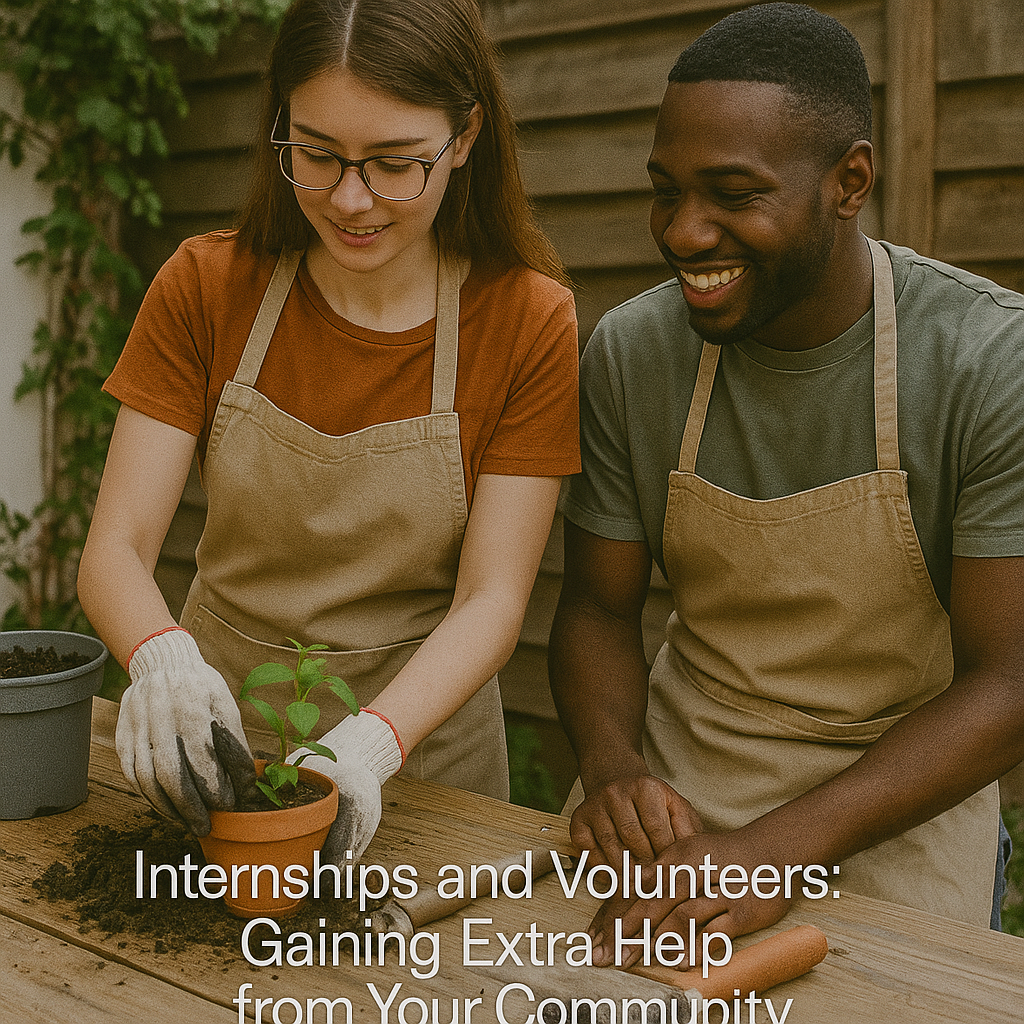
Boost Your Business with Community Interns and Volunteers
Entrepreneurs and small business owners are continually discovering innovative ways to expand their teams, spark creativity, and foster strong community relationships. One effective strategy is to leverage community support through internships and volunteer programs. In today’s competitive market, hiring full-time staff isn’t always practical. Instead, these programs not only provide operational support but also cultivate local talent and enrich your projects.
Embrace the Benefits of Community-Inspired Initiatives
For businesses seeking cost-effective growth solutions, community initiatives offer tremendous value. Interns and volunteers can assist with a wide range of tasks—from everyday operations to special projects. These programs not only reduce costs but also develop future talent that can drive long-term success. Whether you are exploring potential hires or simply need extra hands on deck, these partnerships create a win-win situation for both your business and the community.
An added advantage is the influx of fresh perspectives. Young professionals and energetic volunteers often bring innovative ideas and modern digital skills that can invigorate new projects or optimize existing processes. This blend of talent is increasingly valuable in today’s fast-paced and ever-evolving market.
Effective Strategies for Leveraging Community Help
Maximizing the potential of internships and volunteer programs begins with a clear vision and a structured strategy. Start by assessing your business needs: where will additional support have the most significant impact? Whether it’s marketing, research, administrative tasks, or creative projects, identifying these areas is key.
Once your needs are clear, create well-defined roles that add value both to your organization and the interns or volunteers. For example, pairing an intern with a seasoned mentor bridges the gap between academic learning and real-world experience, creating a mutually beneficial relationship. Clear goals and expectations also help prevent misunderstandings, ensuring that contributions align with your overall business objectives.
Integrating these programs within local projects can also contribute to the community’s economic development. By offering a platform for skill building and career growth, you are investing in the local talent pool, which in turn enhances brand loyalty and generates future referrals.
Implementing a Successful Community Engagement Model
Introducing structured internship and volunteer programs into your business requires thoughtful planning and a commitment to nurturing meaningful relationships. Begin by establishing clear guidelines for roles, responsibilities, and expected outcomes. A well-defined framework ensures that all parties understand their contributions, which leads to smoother, more productive collaboration.
Promote your initiatives actively through social media, local community boards, and your website. At this resource, you can explore additional small business strategies that emphasize community development and engagement.
Incorporate a feedback loop to continuously refine your programs. Regular feedback sessions with interns and volunteers help adjust roles and processes while sharing success stories publicly recognizes their contributions—and attracts future talent.
For further insights, consider exploring innovative strategies featured by renowned outlets like Forbes, which often highlight how small businesses can enhance operational effectiveness through community engagement.
The Broader Impact on Your Business and Community
Integrating community-based initiatives into your business strategy does more than fill staffing gaps; it enhances your brand reputation by showcasing your commitment to social responsibility. By investing in local talent, your business becomes a cornerstone of the community, earning trust and goodwill over time.
These efforts can translate into tangible benefits: interns who start as volunteers often develop strong loyalty to the companies that nurtured their skills, making them excellent candidates for future roles. Likewise, satisfied volunteers become brand ambassadors, spreading the word about your innovative approach to community engagement.
Businesses that successfully integrate internship and volunteer initiatives often experience a ripple effect—improved team morale, heightened creativity, and strengthened community bonds. These outcomes not only transform your company culture but also enhance your brand’s external perception, turning local projects into long-term strategic assets.
When planning your strategy for additional support, remember that transparency and genuine partnerships are key. Clearly defined objectives, regular evaluations, and public recognition of contributions ensure that your initiatives remain impactful and sustainable.
Although developing community internship and volunteer programs may seem challenging at first, effective planning and clear communication will create a win-win scenario that fuels business growth and enriches your local community.
- Establish clearly defined roles and expectations for each intern or volunteer.
- Harness local talent to drive innovation and build strong community ties.
- Integrate internship and volunteer programs into meaningful local projects.
- Foster lasting relationships through transparent and supportive engagement.