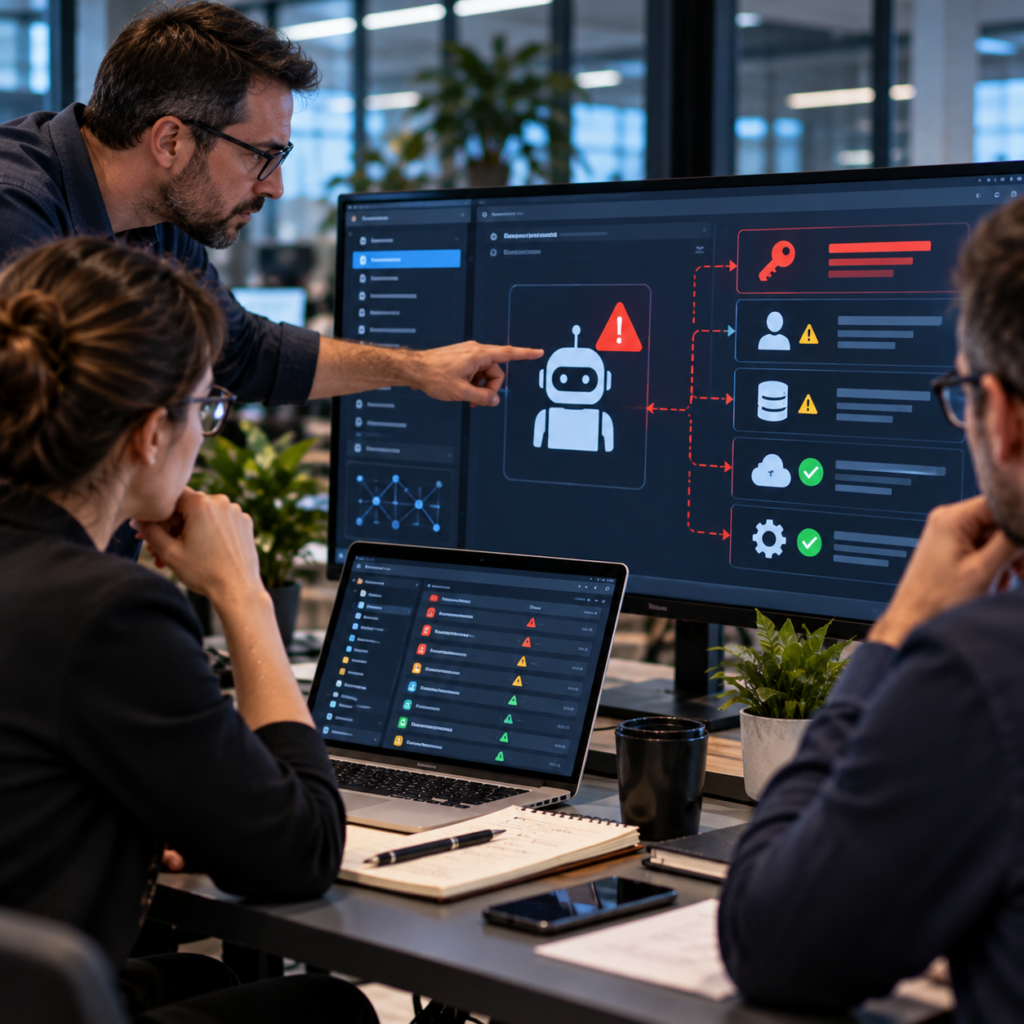
In today’s fast-paced digital landscape, even small businesses face unexpected challenges. A robust IT infrastructure management plan is no longer optional—it’s essential. Entrepreneurs and small business owners must ensure their IT systems are resilient, reliable, and capable of handling system failures, cyber threats, and natural disasters. By adopting strategic IT infrastructure management and business continuity best practices, companies can maintain operations during turbulent times.
Understanding the Importance of IT Infrastructure Management
Effective IT infrastructure management is critical for ensuring smooth business operations. When systems are built with redundancy, enhanced security, and efficient recovery procedures, the entire organization benefits. This concept goes beyond simply managing computers and servers; it includes network configurations, cybersecurity measures, and rapid data recovery protocols.
Implementing enterprise IT continuity planning strategies involves establishing guidelines and procedures that are regularly tested and updated. A comprehensive approach not only minimizes downtime but also boosts confidence among stakeholders and employees. Ensuring resilient IT systems helps your business maintain a competitive edge, even in the face of adversity.
Developing Effective Enterprise IT Continuity Planning Strategies
Many small businesses make the mistake of neglecting regular updates to their disaster recovery plans. A one-time backup strategy is no longer enough in a world where technology and threats evolve continuously. Consider these strategies when planning for IT continuity:
- Risk Assessment and Prioritization: Identify the most vulnerable parts of your IT infrastructure and determine which systems are critical to your business. Prioritize these areas for rapid recovery.
- Implementing Regular Backups: Schedule automatic data backups using cloud-based solutions for faster recovery. This tip is one of the key strategies recommended for comprehensive IT disaster recovery and management.
- Automation and Monitoring: Utilize automation to reduce human error and ensure timely updates and backups while monitoring systems closely to detect and resolve issues before they escalate.
Conduct periodic drills, similar to fire drills in physical buildings, to simulate IT outages. These exercises help your team identify bottlenecks and inefficiencies, allowing you to refine your response strategy before a real crisis occurs.
Comprehensive IT Disaster Recovery and Management Tips for Small Businesses
Small business owners might believe that comprehensive IT planning is only for large enterprises. In fact, even smaller organizations can benefit from smart IT infrastructure management. Whether facing cybersecurity threats, hardware failure, or natural disasters, follow these actionable tips to protect your data and minimize disruption:
- Regular Updates: Keep all hardware and software components up-to-date. Security patches within updates protect systems against emerging vulnerabilities.
- Cloud Solutions: Leverage cloud-based services for daily operations and backups. Cloud technologies provide scalability and remote accessibility during crises.
- Employee Training: A well-trained team enhances your company’s resilience. Regular training on IT security best practices and outage procedures can be crucial when every minute matters.
- Clear Communication Channels: Establish clear internal communication protocols to ensure that during a disruption, everyone knows who to contact and the steps to follow. A swift response can significantly reduce downtime.
- Partnering with Experts: Collaborate with external IT service providers for specialized support. For tailored advice and practical IT solutions, companies like MakeBusiness can be invaluable.
Aligning your IT strategy with your overall business objectives is critical in today’s digital age. The aim is to minimize disruptions while maximizing operational efficiency.
Building Resilience Through Proactive IT Management
Resilience is built over time through continuous attention and adaptation to technological advancements and emerging threats. Integrating IT infrastructure management best practices into your core business strategy is key to achieving this resilience. Proactive measures such as regular risk assessments, maintenance, and system updates foster a culture of IT awareness and preparedness among staff.
A proactive approach addresses potential issues before they lead to significant downtime. By regularly revisiting recovery protocols and identifying vulnerabilities, you ensure that your IT systems remain robust and effective over time.
Adopting these enterprise IT continuity planning strategies prepares your business for unexpected disruptions. Small business owners who invest in proactive IT management today will secure long-term operations and build a more sustainable enterprise for the future. Such a proactive and sustainable mindset not only builds confidence among clients and partners but also offers a competitive edge in a challenging market.
For additional insights into effective IT management, resources like Forbes provide valuable perspectives on technology trends and business strategies. These insights reinforce the idea that robust IT infrastructure is a core pillar of successful business operations.
Remember, IT infrastructure management and business continuity best practices are not one-size-fits-all solutions. Every business faces unique challenges and requires a tailored strategy that addresses its specific needs.
By adopting detailed IT disaster recovery and management practices, you prepare for every eventuality. Prioritize areas that are vulnerable yet critical to daily operations. Combining innovative technology solutions with well-defined procedures creates a safety net that mitigates risk and ensures your business thrives even in adverse conditions.
- Regular risk assessments and updates are essential for maintaining secure IT systems.
- Automated backups and cloud-based solutions minimize downtime.
- Continuous employee training and clear communication channels build overall resilience.
- A proactive, tailored approach to IT continuity ensures long-term business sustainability.