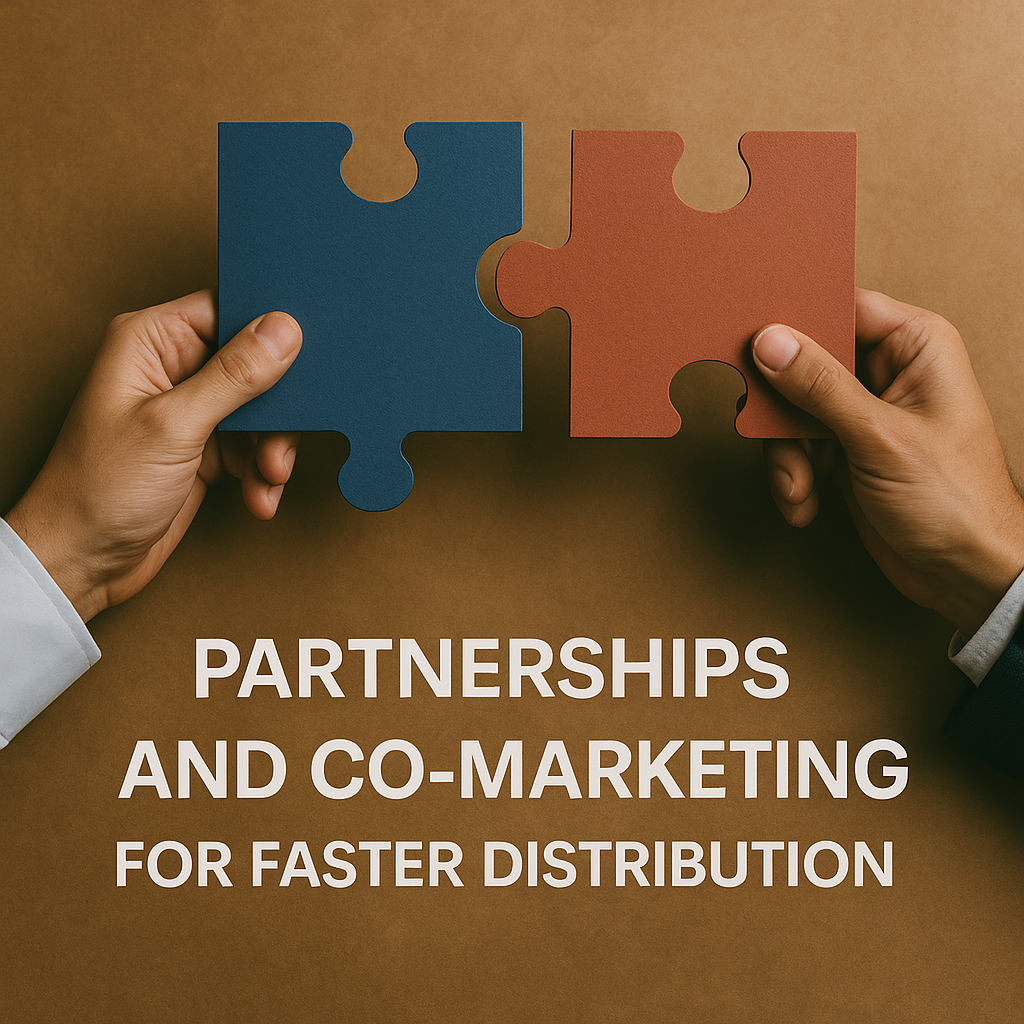
In today’s competitive market, entrepreneurs and small business owners are continually seeking innovative ways to expand their reach and strengthen their market presence. One highly effective approach is building robust business relationships that open new distribution channels. By combining strategic partnerships for accelerated distribution with targeted co-marketing strategies, you can create powerful synergies that speed up your sales process and make a lasting impression on potential customers.
Building Bridges: The Power of Strategic Partnerships
Imagine tapping into an established network that already holds a strong presence in your target market. That’s the essence of strategic partnerships. These collaborations allow your brand to benefit from the trust and credibility that your partner has built over time. For many small businesses, leveraging established relationships is a smart tactic to quickly enter the market, boost product visibility, and manage costs effectively.
When developing strategic partnerships for accelerated distribution, think beyond a basic supplier-customer relationship. The most effective partnerships share resources, insights, and customer bases, creating a collaborative journey that benefits both parties. By tapping into a partner’s credibility, you can reduce customer uncertainties and pave the way for increased market acceptance.
Moreover, collaborating with the right partner can provide valuable local market insights, essential for international expansion or targeting new segments. It’s a win-win opportunity where both brands grow together, share risks, and unlock new market opportunities.
Effective Collaboration through Co-Marketing Strategies
Strategic partnerships lay the groundwork for relationship-based distribution, while co-marketing strategies inject a creative spark that drives customer engagement. Co-marketing goes beyond collaboration—it’s about pooling creative resources to develop campaigns that resonate with a wider audience. For entrepreneurs aiming to boost brand awareness cost-effectively, co-marketing offers a way to create buzz while minimizing individual risk.
A well-executed co-marketing campaign might include joint events, shared online content, or bundled offers. When two complementary brands unite, customers enjoy cohesive messaging that enhances their experience. Additionally, sharing marketing expenses allows you to reach larger audiences, experiment with different channels, and accelerate distribution.
For instance, industry webinars or live events can draw potential customers who trust the combined expertise of both brands. Joint content creation—such as blog posts, white papers, or podcasts—allows for cross-promotion that not only educates the audience but also positions your brand within a network of industry leaders. Esteemed publications like Forbes have praised co-marketing efforts, highlighting how agile and innovative collaborations overcome market challenges.
Navigating the Nuances: Planning and Executing Successful Partnerships
Implementing successful partnerships and co-marketing strategies requires careful planning and execution. Begin with clear objectives. Whether you need to accelerate the distribution of a new product, create buzz for an upcoming event, or tap into a new demographic, defining your goals early on ensures your strategy aligns with both your business objectives and those of your partners.
Selecting the right partner is equally crucial. Seek out businesses with similar values and complementary audiences. Mutual interest in success fosters dynamic and effective collaborations. Maintain open communication with regular progress reviews and feedback sessions to ensure alignment with your shared vision.
Once a partnership is in place, transparency becomes key. Discuss resource allocation, performance metrics, and expected outcomes from the start. Clear expectations reduce confusion and ensure both partners are committed to the desired results. Formal agreements, such as detailed contracts or memorandums of understanding, can safeguard this commitment.
During execution, leverage digital platforms to amplify your partnership. Websites like MakeBusiness offer actionable insights and community advice that can extend your reach. Sharing success stories, campaign results, and even challenges can humanize the collaboration and attract new audiences and potential partners.
Accelerating Distribution Through Integrated Marketing Efforts
Integrating distribution and marketing efforts is essential for sustainable growth. Rather than treating distribution and marketing as separate functions, they work best when intertwined. Collaborating on digital ads, email campaigns, or content partnerships ensures a consistent brand message across all channels.
One effective tactic is to create a shared marketing calendar. This approach helps both partners align key campaign timings, leading to coordinated pushes that boost overall campaign impact. Sharing market data further refines your strategy for future initiatives.
Utilizing modern technology is another critical component. CRM and marketing automation tools enable you to track co-marketing performance through metrics such as lead generation, conversion rates, and customer feedback. These insights allow you to pivot quickly, make data-driven decisions, and further accelerate your distribution process.
As your collaborative efforts grow, schedule regular meetings with your partner’s marketing team. These sessions can uncover fresh content ideas, review campaign performance, and resolve operational challenges. In a rapidly changing market, continuous dialogue is the key to staying ahead of the competition.
In today’s digital landscape, co-marketing strategies offer endless opportunities. Combining creative energy with shared market insights expands your distribution network in ways that are difficult to achieve alone. Countless joint ventures demonstrate that integrated planning and combined efforts pave the way for faster distribution.
Taking Your Business to the Next Level
View strategic partnerships for accelerated distribution as a long-term strategy that transforms how you connect with your audience. Success in these partnerships requires commitment, clear objectives, and a willingness to collaborate. By working together, businesses benefit from shared expertise, expanded customer bases, and enhanced brand reputations. Although building such collaborations takes time and careful planning, the result is a more resilient, innovative business poised for explosive growth.
Consider the digital environment today, where rapid technological advances make partnership opportunities more accessible than ever. Social media, specialized forums, and community hubs like MakeBusiness provide not only technical solutions but also networks of like-minded professionals ready to support your growth. These platforms serve as excellent foundations for promoting co-marketing campaigns, sharing success stories, and reaching broader audiences.
Ultimately, building enduring relationships through co-marketing offers a significant competitive advantage. This approach not only helps businesses navigate volatile market conditions but also fosters a collaborative ecosystem where everyone flourishes. Embrace the power of shared success to unlock new growth opportunities.
Invest in well-structured partnerships and smart co-marketing strategies to expand your distribution channels. The secret lies in collaboration, clear communication, and a willingness to adapt. Every successful partnership begins with a conversation, a bold idea, and a shared commitment to growth.
- Leverage strategic partnerships to tap into established market credibility.
- Implement co-marketing strategies to drive creativity and reduce costs.
- Set clear goals and maintain regular communication for successful collaboration.
- Utilize integrated marketing efforts and modern tools to accelerate distribution.