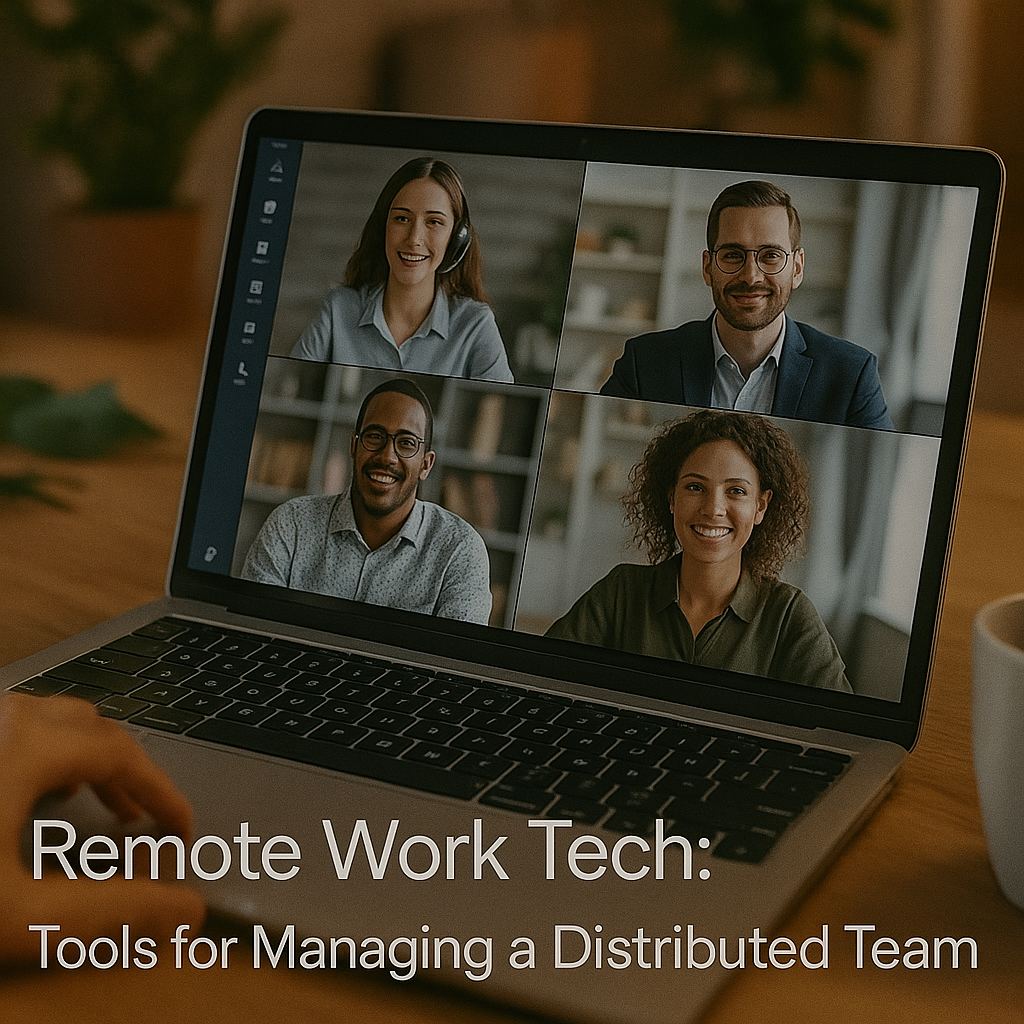
The global shift to remote work has transformed business operations. For entrepreneurs and small business owners, choosing the right digital solutions is more critical than ever. The ideal mix of remote work technology tools not only streamlines tasks but also boosts team engagement and fosters a robust culture, regardless of distance.
Navigating the Digital Workspace
When entering the realm of remote work, start by exploring the wide range of available digital tools. Numerous remote work technology tools for managing distributed teams can drastically improve daily operations. Whether you need powerful communication apps or comprehensive project management systems, there’s an abundant digital portfolio to choose from.
While the vast selection might feel overwhelming at first, focusing on your team’s specific needs and workflows will streamline the decision-making process. By understanding your goals, budget, and operational style, you can identify the best tools that seamlessly integrate into your existing processes.
Efficiency Through Integration
Integrating your collaboration tools is essential for any remote team. The best collaboration tools for remote teams work together seamlessly. Linking project management systems with communication platforms ensures that updates and progress reports flow smoothly between channels. This integration reduces manual data entry and minimizes miscommunications.
For instance, using a task management tool that syncs automatically with your calendar can help prevent scheduling conflicts. This streamlined approach fosters real-time collaboration and enhances overall productivity.
Building a Collaborative Remote Team
Strong collaboration is the cornerstone of any successful remote team. Establishing a culture that emphasizes communication and transparency can be challenging when working from afar, but with the right tools, it becomes achievable. Modern digital platforms provide innovative methods to build community and encourage teamwork, regardless of location.
Remote teams benefit from tools that support video conferencing, instant messaging, file sharing, and even social interactions. Tasks once managed in person can now be handled efficiently through designated applications. Many platforms also enable virtual brainstorming sessions, complete with interactive whiteboards and real-time document editing.
Encouraging informal interactions, such as virtual coffee breaks and casual chats, humanizes digital communications. This focus on social connection boosts morale and creates a more cohesive, motivated team.
Balancing Flexibility with Accountability
Remote work offers flexibility, but it also requires clear boundaries between professional and personal life. Effective remote team management software solutions empower leaders to ensure accountability while maintaining flexibility. These tools track progress, set deadlines, and provide insights to highlight where additional support is needed.
For entrepreneurs, the key is balancing self-management with the achievement of organizational goals. Implementing systems that feature transparent performance metrics motivates team members by clarifying individual contributions within broader company objectives.
Maximizing Efficiency with Customizable Tools
Every team is unique, and the real strength of remote work technology tools lies in their customization options. Business owners can tailor a suite of digital tools to fit their specific business model, ensuring that communication, project tracking, and performance management align perfectly with company goals.
Customizable dashboards prove invaluable during performance reviews and daily check-ins, allowing managers and team members to visualize real-time progress. Leveraging automation within these systems further streamlines repetitive tasks, freeing up time for strategic initiatives.
Successful tool integration doesn’t require a complete workflow overhaul. Instead, it’s about making incremental improvements—selecting tools that address distinct needs and gradually building a framework that supports seamless collaboration.
Entrepreneurs should explore the array of remote team management software solutions available. Comparing popular tools reveals features tailored for small businesses, such as cost-effective subscriptions, flexible user plans, and easy scalability. Testing different options with trial periods ensures that the software meets your team’s unique culture and processes.
For more insights on optimizing your digital workspace, consider exploring business insights that delve into the latest technological trends and strategic management practices. Staying informed about best practices can be transformative in today’s evolving remote work landscape.
Staying Ahead in a Rapidly Changing Environment
Remote work technology is constantly evolving, and staying agile is crucial. Regularly reviewing your collaboration tools and updating features ensures your team operates at peak efficiency. Incorporating employee feedback and establishing robust feedback loops fosters a culture of continuous improvement.
According to recent studies, companies that invest in modern digital tools see not only higher productivity but also enhanced employee satisfaction. By integrating the latest software updates and actively seeking user input, managers can cultivate an innovative work environment where technology and employee morale thrive.
With remote work technology tools addressing everything from real-time collaboration to deadline management, small businesses can achieve remarkable performance improvements. This agility sets the stage for sustained growth and measurable success.
As remote work becomes increasingly fundamental to modern business culture, choosing the right digital solutions is essential. Investing in remote team management software solutions is about building a strong operational backbone that supports growth, flexibility, and innovation.
Every thoughtfully implemented tool contributes to day-to-day task management and the overall success of your company. Platforms that provide deep insights into team performance help leaders understand workflow efficiencies and drive data-driven decisions.
Ultimately, adopting remote work technology tools for managing distributed teams is a continuous journey. As your business evolves, your technological needs will too. Embracing a mindset of continuous improvement, where feedback is consistently integrated, can be the key to long-term sustainability.
For entrepreneurs and small business owners navigating remote work challenges, this dynamic approach not only boosts efficiency but also inspires creativity and collaboration, regardless of physical distance.
- Adopt tools that integrate seamlessly to enhance communication and task management.
- Cultivate a transparency-driven culture with technology that fosters team collaboration.
- Test and customize remote team management software to suit your unique business needs.
- Prioritize performance metrics and feedback loops as central to your digital workspace strategy.


