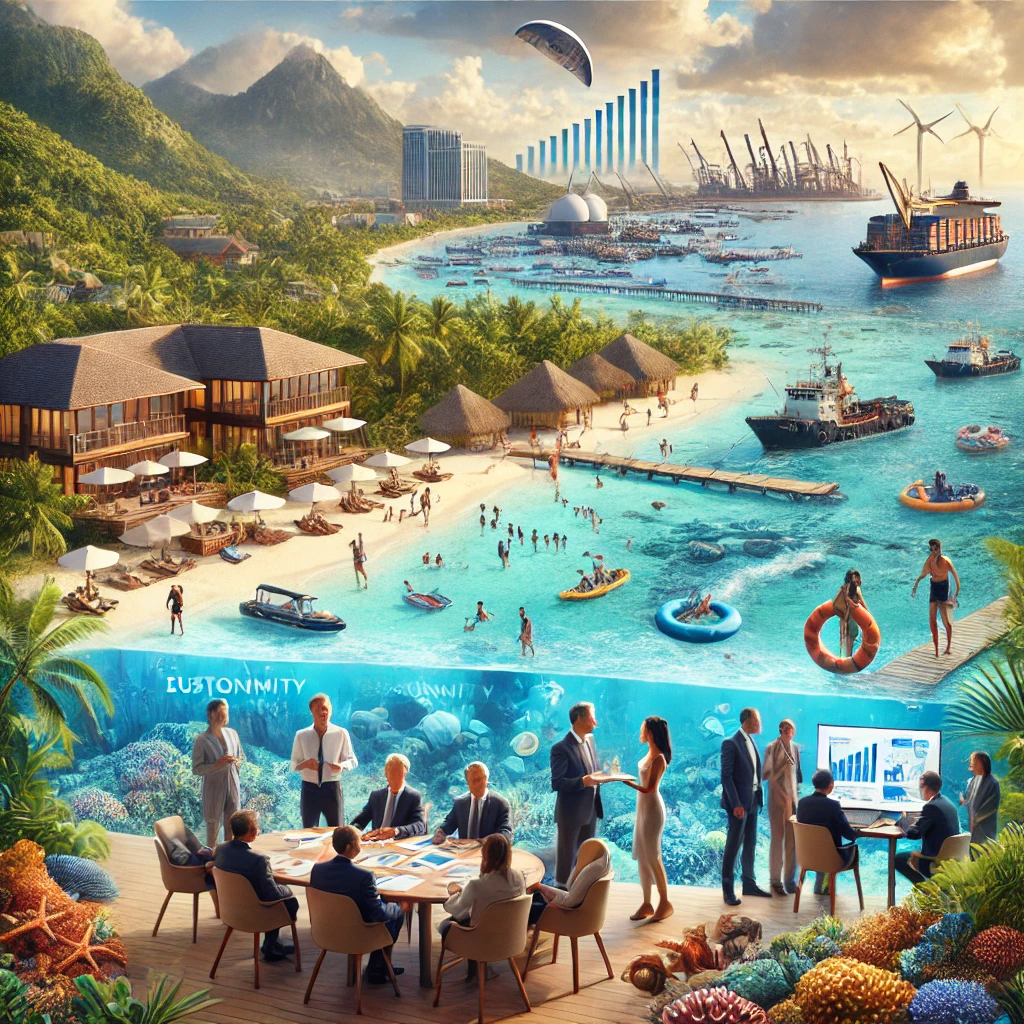
Innovative Insights into Seychelles’ Dynamic Landscape
Entrepreneurs and small business owners exploring emerging growth sectors should consider Seychelles. This stunning island nation, renowned for its pristine beaches and vibrant marine life, is quickly emerging as a hub for tourism innovation and blue economy initiatives. Seychelles offers a unique mix of natural beauty and forward-thinking policies that create the ideal environment for both established enterprises and new ventures.
Globally, travelers are increasingly seeking sustainable travel experiences. In Seychelles, this shift is supported by proactive government policies and engaged local communities dedicated to environmental preservation. This focus on sustainable tourism and blue economy opportunities not only drives revenue but also safeguards the island’s natural heritage for future generations.
Seychelles’ Sustainable Tourism: A Blueprint for the Future
In Seychelles, sustainable tourism is far more than a buzzword—it is a critical component of the nation’s economic strategy. By implementing integrated coastal tourism and blue economy strategies, Seychelles demonstrates how to harness natural resources responsibly while maintaining its breathtaking landscapes. This balanced approach ensures tourism development contributes to environmental conservation, supporting local communities and protecting coral reefs, forests, and marine ecosystems.
Entrepreneurs can explore diverse opportunities in sustainable tourism. Whether developing eco-friendly resorts, organizing responsible wildlife tours, or supporting community-led conservation projects, there is ample opportunity to align with global best practices. Eco-conscious businesses appeal to a growing segment of tourists eager for immersive, nature-respecting experiences.
High-profile publications like Forbes have highlighted the economic benefits of sustainable development, reinforcing that sustainability is not only an ethical imperative but also a smart business strategy.
Investing in Eco-Tourism and Marine Ventures
One of the most exciting investment areas in Seychelles is the intersection of tourism and marine conservation. With rising global awareness of tourism’s environmental impact, eco-tourism and marine investments present lucrative opportunities. From boutique marine lodges and diving centers to waterfront cafes using sustainable practices, this diverse sector is ripe with potential.
Businesses investing in these sectors play a pivotal role in marine conservation while benefiting from a transformative economic model. By adopting innovative practices and forging local partnerships, investors can ensure that tourism promotes long-term environmental sustainability. Collaborating with local marine biology and environmental experts will help develop projects that are resilient, adaptive, and truly sustainable.
Resources such as MakeBusiness offer valuable insights into navigating complex emerging markets, making them a great starting point for potential eco-tourism and blue economy projects.
Forging Strategic Partnerships with Integrated Coastal Solutions
Success in Seychelles revolves around integrated and collaborative strategies. Combining coastal tourism with comprehensive environmental management leads to remarkable outcomes. By adopting integrated coastal tourism and blue economy strategies, stakeholders create a synergy where tourism and conservation enhance each other.
Collaboration is key. Public-private partnerships and community-based initiatives help reduce environmental impact while enriching the overall tourist experience. Local governments and communities are committed to projects that preserve natural beauty while driving economic growth. For entrepreneurs, the challenge is to develop scalable, adaptable, and cooperative ventures.
Seychelles’ abundant natural resources support the development of marine research centers, conservation parks, and eco-resorts. With clear policies backing integrated models, innovative ideas that combine technology, sustainability, and local culture can flourish. These initiatives not only boost local employment and improve waste management but also enhance the quality of life for residents.
Integrating technology with traditional business practices further elevates the guest experience. Digital platforms can personalize interactions and promote environmentally conscious travel, ensuring that business models remain dynamic and responsive to evolving tourism trends.
Exploring Emerging Opportunities and Future Prospects
As global tourism shifts towards personalized, eco-friendly experiences, Seychelles stands out as a premier destination for sustainable tourism and blue economy investments. Investors who grasp these market trends and innovate accordingly can benefit immensely from one of the world’s most naturally endowed environments. Seychelles’ commitment to sustainable tourism and blue economy opportunities makes it a vibrant hub for ventures ranging from luxury resorts to local artisan tours that highlight sustainable practices.
A supportive regulatory framework and strong environmental stewardship have attracted international investors. Forming partnerships with local enterprises allows entrepreneurs to navigate market nuances and easily overcome entry barriers. The challenge—and the opportunity—lies in transforming local assets into profitable, environmentally responsible business ventures.
Beyond sustainable tourism, Seychelles is also focusing on other blue economy sectors such as renewable energy, fisheries management, and ocean-based biotechnology. Numerous success stories illustrate how innovative ideas in these fields can drive economic growth while enhancing community well-being. Whether you are a seasoned investor or a small business owner, Seychelles offers a diverse and accessible range of opportunities.
For those interested in the intersection of business development and environmental conservation, the Seychelles model provides valuable lessons. It proves that economic growth can occur without compromising environmental sustainability—a crucial factor in today’s business landscape. Trailblazing enterprises in Seychelles are redefining corporate responsibility while setting new standards for sustainable practice.
The success stories emerging from Seychelles offer a glimpse of the future of global tourism and blue economy initiatives. With a rich ecosystem and robust business opportunities, the islands serve as a natural incubator for innovation, potentially setting the benchmark for markets worldwide.
- Seychelles combines sustainable tourism with robust economic development and environmental stewardship.
- Investors can explore diverse opportunities, from eco-resorts to marine conservation projects.
- Integrated coastal strategies in Seychelles show how collaborative efforts benefit both business and nature.
- Entrepreneurs are encouraged to innovate and forge strategic partnerships within the emerging blue economy.


