In today’s fast-paced digital era, entrepreneurs and small business owners seek smarter work methods, streamlined operations, and a collaborative environment. Modern technology has redefined the workspace, transforming traditional offices into dynamic, interconnected hubs. By integrating Internet of Things (IoT) solutions, you can boost productivity and create an agile environment that adapts in real time to your business needs.
Embracing IoT for Workplace Transformation
Smart offices connect everyday tools and systems to facilitate seamless workflows and efficient resource management. Beyond automated lighting and climate control, today’s IoT productivity solutions leverage data-driven insights, predictive maintenance, and intelligent scheduling systems to revolutionize operations. Business owners can harness real-time data to optimize everything from energy consumption to workstation layouts, creating a workspace that’s both efficient and adaptive.
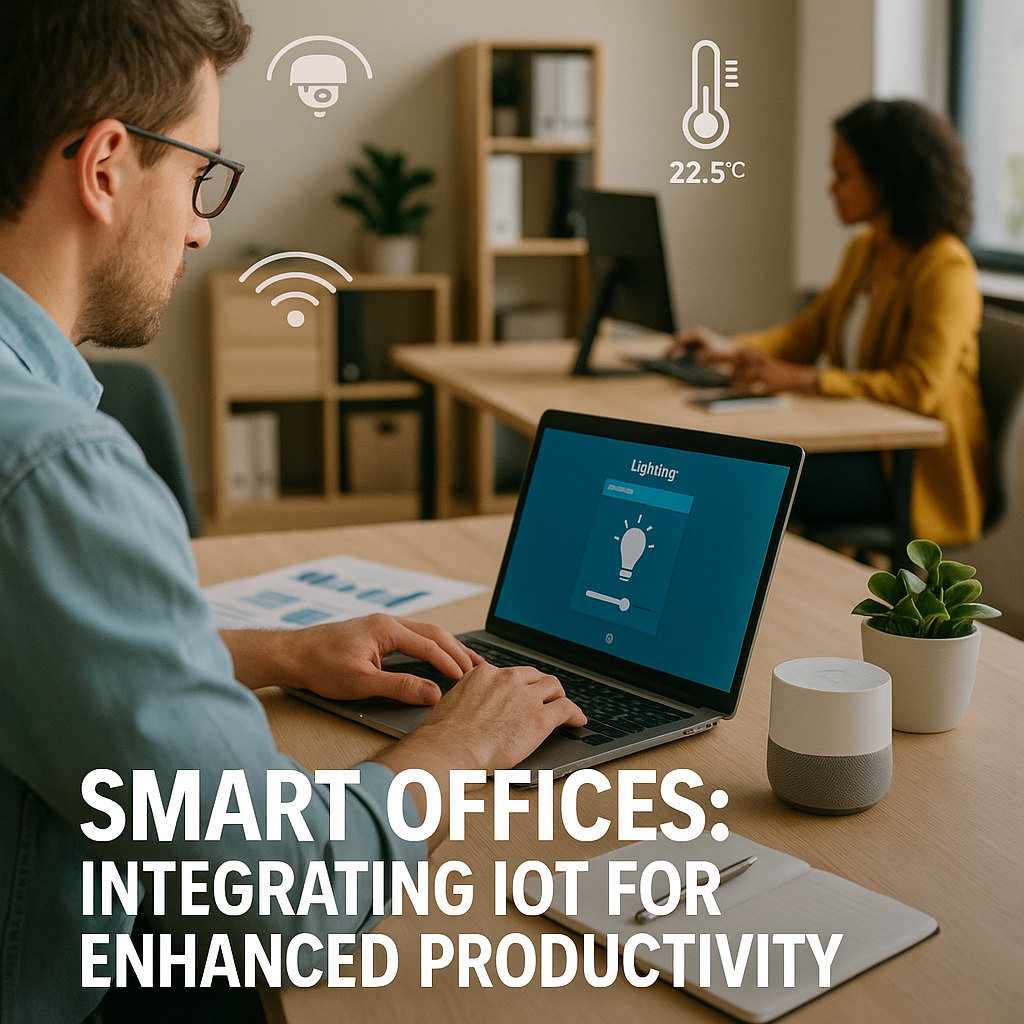
Imagine an office where sensors detect unoccupied meeting rooms and automatically adjust cleaning schedules or room bookings. Picture a workspace that dynamically fine-tunes its lighting, temperature, and acoustics based on occupancy and time of day. These smart office IoT strategies not only enhance comfort but also optimize energy use, leading to significant cost savings.
Strategies for Seamless IoT Integration
Successful IoT integration starts with clear business goals. Determine if your priority is reducing operational expenses, enhancing security, or boosting employee collaboration. Once your objectives are defined, explore IoT productivity solutions that align with these goals—whether it’s smart lighting, automated climate control, or occupancy sensors.
Begin with a pilot project in one area of your office before scaling organization-wide. This phased approach helps identify potential challenges, modernize existing systems, and train your team on new processes. For instance, deploying sensors to monitor air quality in meeting rooms can inform adjustments in ventilation systems, ensuring a healthier, more comfortable work environment.
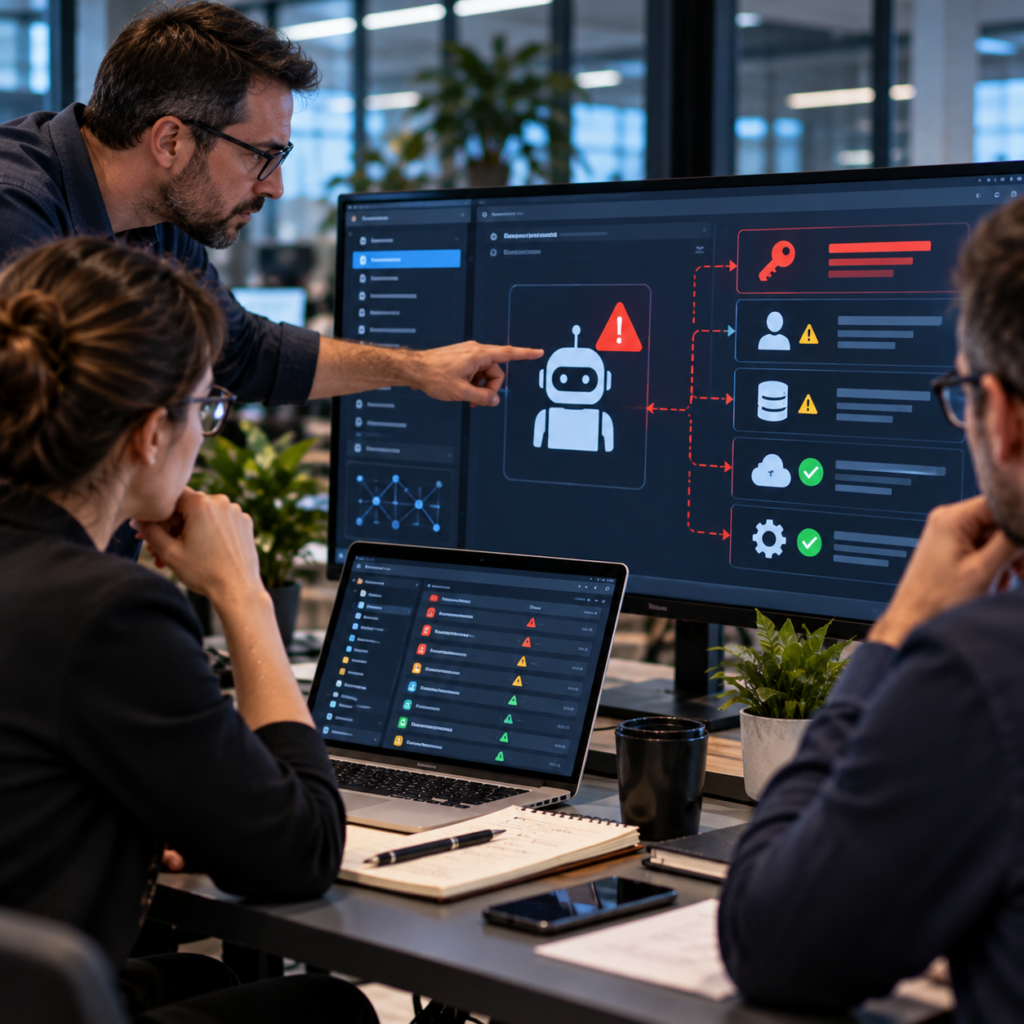
Cybersecurity is another vital consideration. As office devices become increasingly interconnected, the risk of breaches grows. Partner with trusted providers who prioritize regular system updates and the latest security protocols. This ensures your connected devices remain protected as you transform your workspace.
Enhanced Workplace Efficiency with IoT Technology
IoT technology enhances workplace efficiency by creating an adaptive environment where employees thrive. Connected devices offer detailed insights into energy usage and help pinpoint optimal times for scheduling meetings based on room availability and environmental conditions. This valuable data supports informed decision-making and long-term strategic planning.
Smart office IoT strategies can revolutionize maintenance. Sensors monitor equipment performance and alert facility managers when preventative maintenance is needed—reducing downtime and extending the lifespan of machinery. These proactive measures are essential for any business committed to improving its bottom line.
When employees experience the benefits of smart systems—such as responsive lighting and ambient temperature control—overall morale and productivity improve. By offering a workspace that adapts to their needs, companies cultivate an environment that fosters creativity, collaboration, and success.
Implementing Smart Solutions in Real-World Scenarios
Consider a small business struggling with meeting scheduling and resource allocation. With IoT-enabled productivity solutions, sensors can monitor real-time occupancy in conference rooms, automatically freeing up space when meetings end. This automation streamlines operations, reduces communication delays, and ensures resources are immediately available.
Another practical application involves energy management. IoT sensors track office activity and adjust HVAC systems accordingly, reducing energy waste while creating a comfortable work environment. With optimized workstation conditions, employees can concentrate on their core tasks without worrying about managing their surroundings.
For more insights into innovative business strategies, visit business improvement solutions. This resource offers valuable guidance on emerging trends in technology and productivity to help you stay ahead of the curve.
A recent Forbes article highlighted the rise of smart offices and the growing adoption of IoT technology. Industry experts agree that thoughtful IoT integration transforms business processes, driving improved outcomes and revenue growth.
Although implementing IoT solutions can seem complex at first, the benefits justify the investment. This technology not only supports business growth but also prepares your workspace for future challenges. With a connected, responsive environment, your business can quickly adapt to sudden changes—be it an unexpected surge in customer demand or operational hurdles.
Investing in employee training and gradually shifting company culture are essential. Organize hands-on demonstrations and share success stories internally to help your team embrace new technologies. As comfort with these systems grows, expect enhancements in operational efficiency and employee satisfaction.
Smart office IoT integration is not just a technological upgrade, it is a strategic initiative aligned with modern business imperatives. By leveraging IoT capabilities, entrepreneurs and small business owners can create workspaces that are efficient, secure, intuitive, and adaptable to the dynamic demands of modern commerce.
The journey to a smarter office begins with a clear vision. Every connected device, activated sensor, and data point analyzed contributes to crafting an office where technology and human creativity blend seamlessly. Achieving this balance between innovation and practicality is key to successful IoT integration.
Through careful planning, adherence to industry best practices, and a commitment to continuous improvement, transitioning to an IoT-enabled workspace can be smoother than expected. Start with focused initiatives and expand gradually as you experience the benefits of enhanced workplace efficiency with IoT technology.
- IoT enables data-driven decision-making for smarter energy and resource management.
- Gradual implementation and comprehensive employee training are crucial for successful IoT integration.
- Proactive maintenance using IoT sensors minimizes downtime and extends equipment lifespan.
- Adopting smart office technology fosters enhanced productivity, creativity, and operational efficiency.