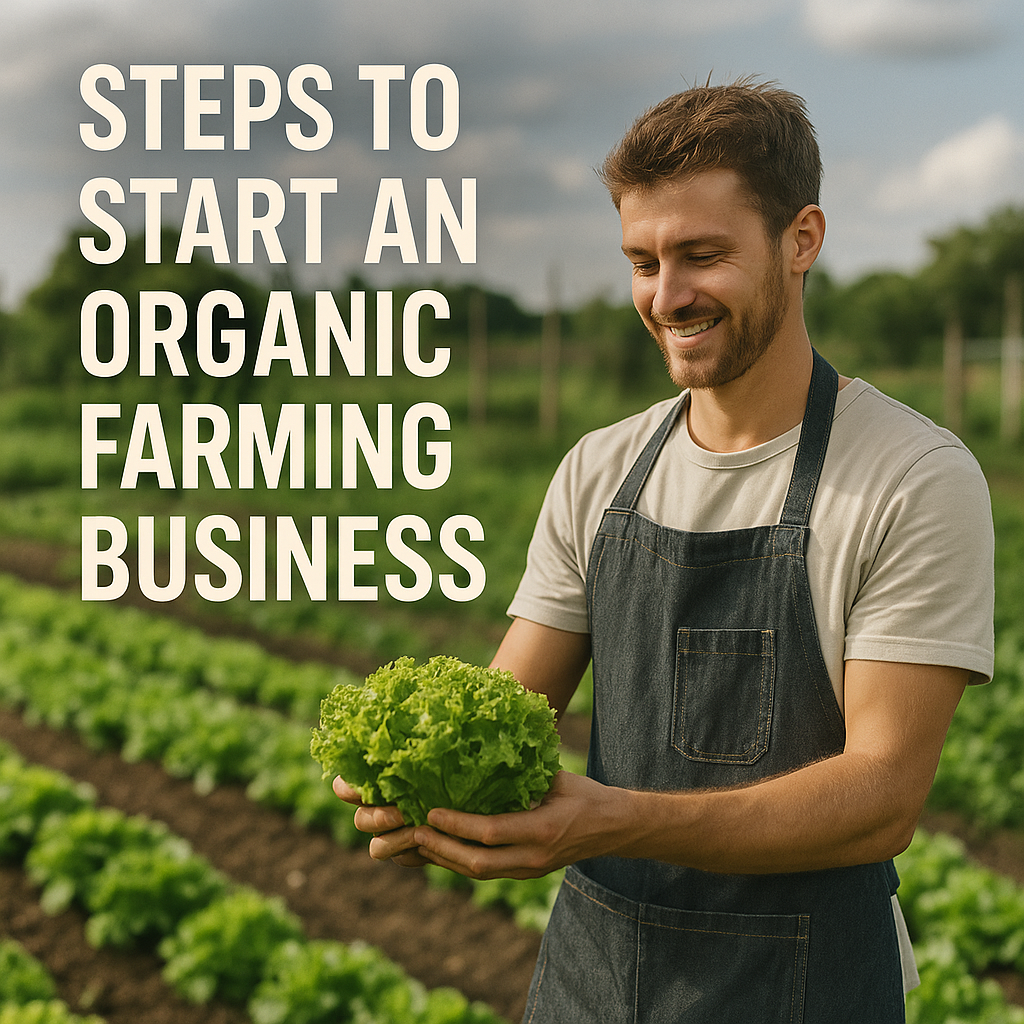
Organic farming is more than a food production method—it’s a commitment to sustainable practices, environmental stewardship, and healthy communities. For entrepreneurs and small business owners, entering the organic farming industry presents a rewarding challenge and a chance to make a positive impact on society and the environment. This article provides a detailed, step-by-step guide for launching your organic farming business, including essential startup tips for beginners. If you’re ready to embrace a greener path to entrepreneurship, continue reading for practical insights and actionable strategies to start your organic farming venture successfully.
Understanding the Organic Farming Landscape
Before you dive into launching your organic farm, it’s crucial to understand the organic farming landscape. This practice prioritizes natural processes by avoiding synthetic chemicals and focusing on renewable resources. With rising consumer demand for organic products and an increased focus on environmental sustainability, opportunities abound for new entrants. However, success in this market demands careful planning, thorough research, and strict adherence to certification standards.
Begin your organic farming journey by building a strong foundation of knowledge. Explore the latest trends in organic produce, study consumer behavior, and learn about government policies and subsidies that support organic practices. A thorough market analysis will provide insights into local demand and help you determine the best crops or livestock suited to your region’s resources and ecosystem.
Planning Your Organic Farm Strategically
A solid business plan is the cornerstone of a successful venture. Start by outlining your vision, mission, and objectives while keeping your target market in focus. A well-crafted business plan not only guides your daily operations but also attracts potential investors and secures financing. Consider these actionable recommendations as you develop your strategy:
- Conduct Market Research: Identify high-demand organic products in your area. Analyze competitors and supply chains to determine what makes your business unique.
- Define Your Operational Strategy: Decide whether to focus on crop production, dairy, livestock, or a combination. Assess the necessary infrastructure, from greenhouses to processing facilities.
- Financial Planning: Develop a detailed budget that covers startup costs, ongoing expenses, and unforeseen contingencies. Include the costs associated with obtaining and maintaining organic certifications.
- Legal and Certification Requirements: Stay informed about regulatory standards. Organizations like USDA Organic or EU Organic Certification offer guidelines that your business must adhere to.
Investing time in strategic planning is essential for long-term success. Utilize resources such as the business insights available at Make Business and reputable publications like Forbes and Entrepreneur to refine your strategy.
Implementing a Step-by-Step Guide to Launch Your Organic Farming Business
With a clear understanding of the industry and a comprehensive business plan in place, it’s time to move forward with actionable steps. Use this roadmap to transition smoothly from planning to operations:
Securing the Right Location and Resources
Your farm’s location is a critical component of its success. Evaluate factors such as soil quality, water access, climate conditions, and proximity to markets. Choosing the optimal site not only boosts your yield but also enhances the sustainability of your organic practices. When considering whether to lease or purchase land, account for future growth and local regulations.
Acquiring Appropriate Equipment and Sustainable Inputs
Organic farming calls for specialized equipment and natural inputs. Replace conventional fertilizers and pesticides with organic alternatives like compost, natural pest control products, and bio-fertilizers. Embrace modern agricultural technologies such as soil sensors and automated irrigation systems to improve efficiency and reduce labor costs. The right tools can significantly enhance productivity and contribute to the economic viability of your venture.
Training, Hiring, and Building Strategic Partnerships
Running an organic farm is rarely a solo endeavor. Collaborate with agricultural experts, agronomists, and local cooperatives that support organic practices. Attend workshops and certification programs to broaden your expertise and gain credibility in the organic community. Hiring individuals who share your passion for sustainability and environmental responsibility is also vital. Forge strong local partnerships with organic food stores, restaurants, and community-supported agriculture (CSA) programs to widen your distribution network.
Continuous learning is key—stay updated on emerging trends, innovative technologies, and best practices by participating in online communities, professional forums, and agricultural fairs. Learning from experienced organic farmers provides invaluable insights that can help you refine your strategy and overcome challenges.
Marketing and Scaling Your Organic Farm
After establishing a strong foundation and commencing operations, the next step is to market your produce and scale your business. The organic market values transparency, sustainability, and local community involvement—values that should be central to your marketing efforts.
Distribute your products through local farmers’ markets, CSA programs, and partnerships with health food stores. A professional website that highlights your organic farming practices, certifications, and commitment to sustainability is essential for attracting both local and international customers. Consider using platforms like Make Business to showcase your venture.
Leverage social media and email newsletters to build a loyal customer base. Share insights into your daily operations, challenges, and the positive environmental impact of your methods. Behind-the-scenes stories build trust and connect consumers with the journey of your organic products. Collaborating with lifestyle influencers and sustainability bloggers can further enhance your reach.
Scaling your business should be a gradual process. Start small, gauge market response, and reinvest your profits to expand acreage, diversify your product line, or adopt new technologies. As demand grows, consider branching out into value-added products like organic teas, oils, or packaged snacks to complement your primary offerings.
While the path to establishing a successful organic farm may be challenging, thoughtful planning and persistent effort can help you overcome obstacles and thrive. By following these strategic steps and embracing proven methods, you can navigate the competitive landscape and position your organic farm as a leader in sustainable agriculture.
In summary, understanding the organic ecosystem, developing a robust business plan, executing your launch with precision, and employing strategic marketing are the cornerstones of a successful organic farming enterprise. Combining these elements with the right location, equipment, and partnerships will set your venture on the path to success.
- Develop a deep understanding of the organic farming industry and current trends.
- Create a detailed business plan with in-depth market research and financial strategies.
- Take actionable steps—secure land, invest in sustainable inputs, and build collaborative partnerships.
- Use traditional and digital marketing channels to grow and scale your organic farm.


