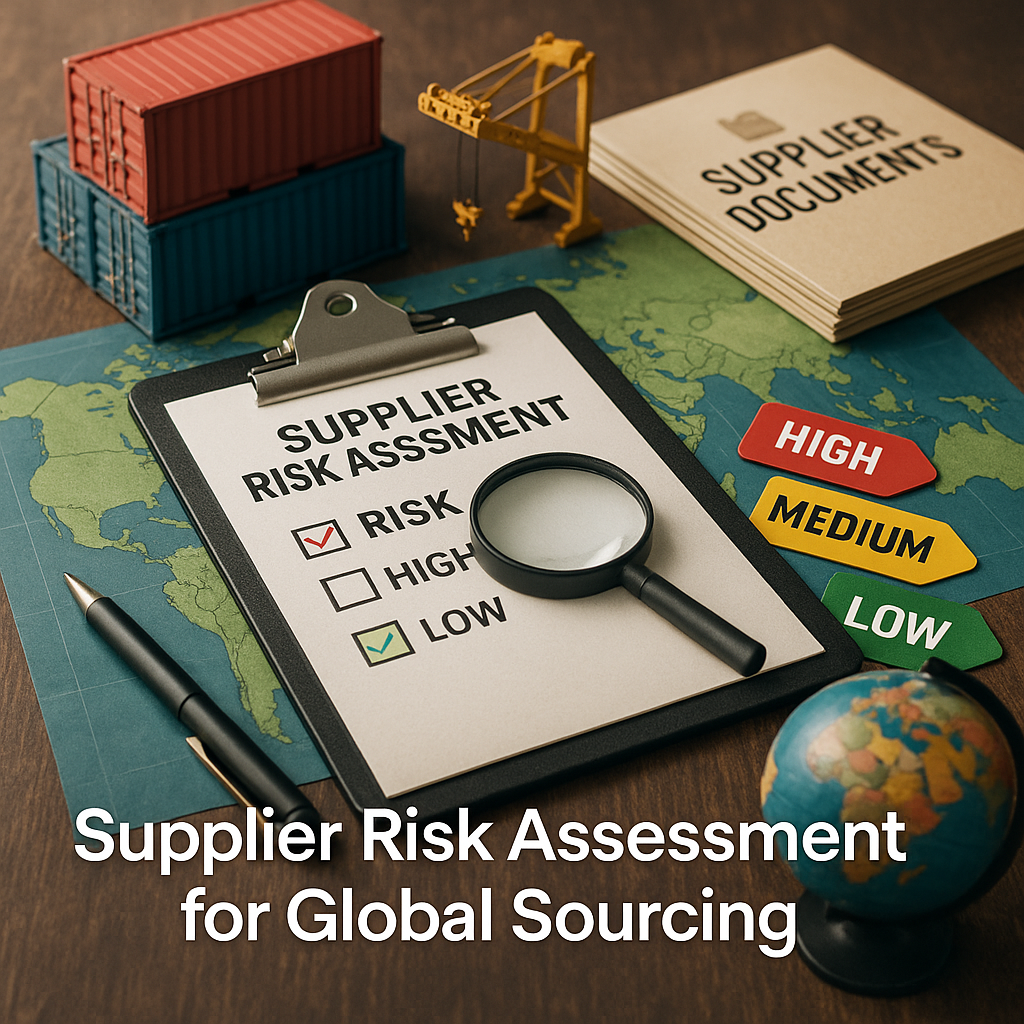
The rapidly evolving global marketplace demands that entrepreneurs and small business owners consider not only delivery and production costs but also supplier risk. Whether sourcing goods locally or internationally, understanding supplier risk assessment methodologies for global sourcing is essential to protect your supply chain and enhance operational efficiency.
Understanding Supplier Risk in a Global Context
International trade involves multiple layers of supplier risk. Beyond cost fluctuations and lead times, factors such as currency challenges, regulatory differences, and varying quality control standards come into play. Modern supplier risk evaluation and management goes beyond annual audits or periodic reviews—it requires a constant and holistic approach to identify, monitor, and mitigate risks. For businesses entering international markets, mastering these risk assessment techniques is key to long-term success.
A robust system for supplier risk assessment empowers you to make informed partner selections. Experts recommend leveraging advanced modeling and analytics to evaluate suppliers on criteria like financial stability, geopolitical risks, and environmental and social governance credentials. This comprehensive strategy ensures your business is well-prepared for unexpected disruptions.
Effective Strategies to Mitigate Global Sourcing Risks
Today’s global sourcing environment demands innovative risk mitigation strategies that go beyond traditional techniques. Modern approaches are proactive and adaptable, ensuring that disruptions in one region don’t derail your entire operation. Consider the following key tactics:
Leverage Technology and Data Analytics
Data is a powerful asset in managing supplier risk. Use tools that track supplier performance, monitor geopolitical developments, and predict market trends. Data analytics provide valuable insights, allowing you to shift from reactive troubleshooting to proactive mitigation. Real-time information and predictive analytics are at the heart of modern supplier risk assessment methodologies for global sourcing.
Integrating cloud-based software solutions into your supply chain management system enables real-time reporting and quick adjustments to risk mitigation practices. This digital approach ensures continuous improvement and resilience against market changes.
Develop Strong Relationships and Communication Channels
Effective risk management begins with transparent and trustworthy relationships. Open communication with suppliers can turn minor issues into opportunities for swift resolution. Building strong rapport not only cultivates trust but also aligns both parties on risk mitigation procedures.
Regular audits and frequent check-ins foster collaborative problem-solving. This proactive engagement is crucial for international supplier risk evaluation, as early detection of potential challenges can save valuable time and resources.
Steps for a Robust Risk Assessment Process
Establishing a thorough supplier risk assessment process is more than checking off a list. As small businesses and entrepreneurs expand globally, integrating regular risk evaluations into your operations becomes crucial. This structured approach not only reviews past performance but also anticipates future challenges.
Start by mapping your entire supply chain. Identify risk-prone touchpoints—from production to delivery—and note geographic regions subject to political instability, economic fluctuations, or natural calamities. Collect historical performance data, reviews, and third-party risk analysis reports to build a solid framework using supplier risk assessment methodologies for global sourcing.
Assign objective risk ratings or scores to compare multiple suppliers. This standardized evaluation aids in decision-making and helps you develop contingency plans. If a supplier shows high risk, ensure you have alternative sources ready. Platforms like Make Business EU emphasize layered risk mitigation strategies that balance short-term fixes with long-term safeguards.
Continuous Improvement and Monitoring
Risk management is an ongoing process, not a one-time task. As markets evolve and global conditions shift, regular performance reviews and adjustments based on new data are essential. If a supplier alters its business practices or geopolitical scenarios change, update your risk management strategy promptly.
Participate in industry groups and risk management forums for fresh insights and innovative strategies. Resources like Forbes offer case studies and ideas that can refine your approach to international supplier risk evaluation and management.
Train your staff to recognize early risk signals. A vigilant team ensures rapid identification and resolution of issues, creating a continuous feedback loop that enhances your risk management strategy.
By fostering a culture of continuous improvement, your risk assessment methodologies will evolve, becoming more efficient and tailored to your unique business needs. Embracing new techniques and staying informed about the latest trends will further reduce supply chain vulnerabilities.
Adopting robust supplier risk assessment methodologies for global sourcing is not only advisable but indispensable. Leveraging technology, cultivating strong supplier relationships, and committing to continuous improvement will protect your supply chain, boost operational efficiency, and drive sustainable business growth.
- Utilize technology-driven data analytics to monitor supplier performance continuously.
- Build and maintain transparent relationships with your suppliers.
- Implement a structured framework that includes comprehensive risk mapping and regular reviews.
- Embrace a culture of continuous improvement to adapt to evolving global conditions.


