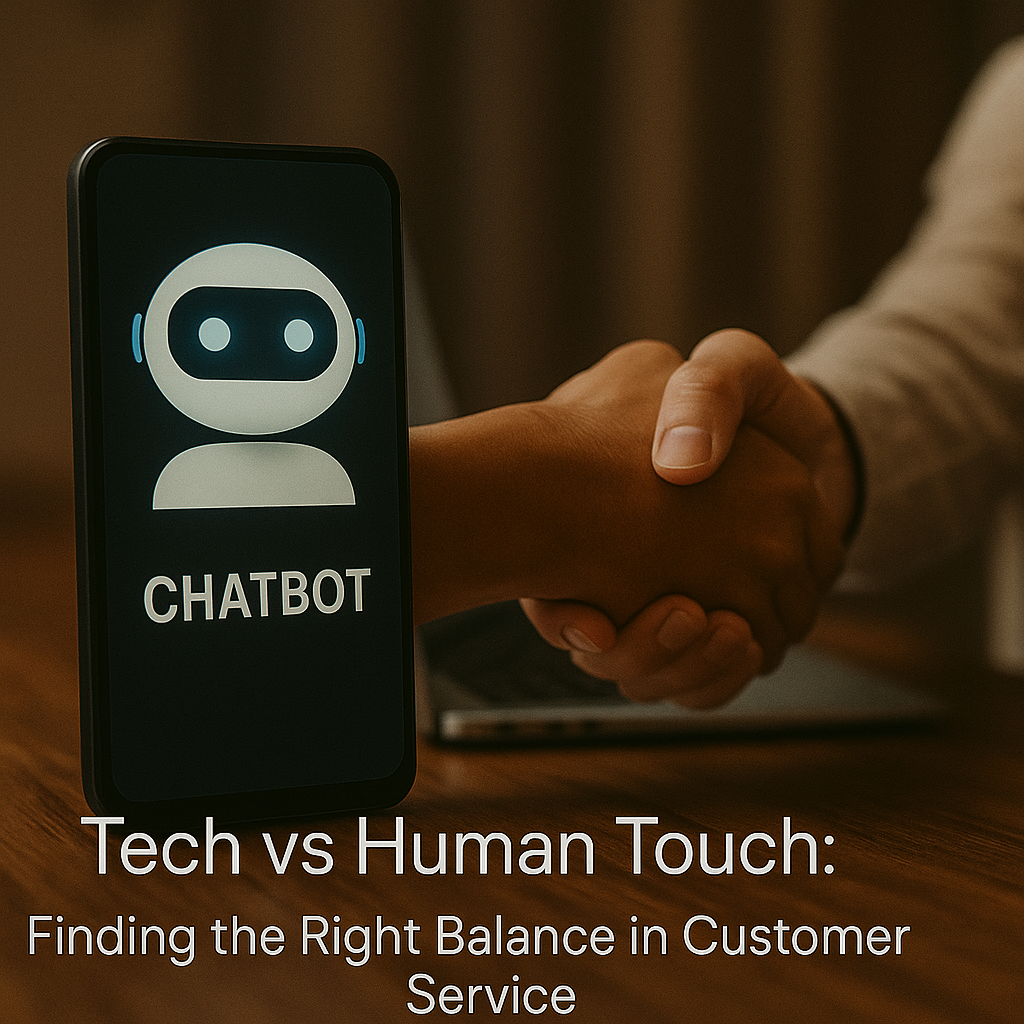
In today’s fast-paced digital world, the customer service landscape is constantly evolving. For entrepreneurs and small business owners, striking the right balance between technological innovation and sincere human interaction is essential for building loyalty and delivering outstanding experiences. Combining digital tools with warm, personal service creates a winning formula that fosters trust and drives success.
The Digital Revolution in Customer Service
Technological advances have transformed nearly every aspect of business, and customer service is no exception. Automation, chatbots, and AI analytics are now indispensable tools for managing high volumes of inquiries and routine tasks. These digital solutions enable businesses to respond quickly and operate more efficiently.
Yet, while efficiency is crucial, customers value personal interaction that offers empathy, understanding, and tailored solutions. A modern customer service strategy must marry technology with the human touch to fully meet customer expectations. Even the most sophisticated systems cannot replace the nuanced support and reassurance provided by a skilled human representative, especially when addressing complex issues.
By using AI to pre-screen customer queries, detect trends, and identify potential issues before they escalate, businesses can take a proactive stance against common service challenges. This strategic use of technology frees staff to handle more complex, emotionally charged interactions, ensuring each customer receives the personalized attention they deserve. Leading industry sources, including Forbes, emphasize the competitive edge gained from integrating advanced tech tools with authentic human engagement.
Combining Automation with Empathy
Today’s customer service challenge is to blend automation with empathy. Successful business owners understand that best practices in tech and human support require more than just implementing new technologies—they call for a cultural shift and ongoing staff training.
For example, an automated chatbot can efficiently address basic questions, guiding digitally savvy customers to FAQs or troubleshooting guides. However, when issues arise that exceed the chatbot’s capabilities, a smooth transition to a human representative is critical. This seamless handoff reassures customers that help is always available.
Investing in staff training ensures that human agents can effectively take over where automation ends. This means recognizing when to intervene, interpreting customer emotions accurately, and maintaining warmth throughout the interaction—even when initial contact is made digitally. For small business owners, this strategy not only prevents customers from feeling neglected but also enhances service differentiation.
Optimizing the customer experience by merging automation with empathetic care involves more than toggling interfaces—it represents a holistic business approach. Integrating real-time customer data, establishing feedback loops, and personalizing communication continually refine service delivery. As your customer base grows, even minor personal touches can deepen client relationships and boost brand loyalty.
Effective Strategies for Integrating Technology and Human Interaction
For entrepreneurs navigating the complex world of customer service, success lies in combining strategic planning with flawless execution. Embracing best practices in both tech and human support means designing systems that leverage digital efficiency without sacrificing genuine human connection.
Consider these strategic practices:
- Integrate customer relationship management systems with AI tools to gather and analyze insights from customer feedback.
- Offer self-service tools that work in harmony with live support, ensuring that personalized help is always within reach.
- Regularly train your team in using digital tools and interpreting data to address customer needs with speed and compassion.
- Implement multi-channel communication strategies to deliver a consistent, engaging experience across social media, email, and phone support.
Additionally, small business owners can tap into valuable online resources for further guidance. For example, explore a wealth of business insights and strategies that provide practical advice on managing a hybrid customer service model. Every customer touchpoint should be engaging, responsive, and tailored to meet their expectations.
The key to lasting success is building an ecosystem where tech efficiency enhances rather than overshadows the indispensable value of human interaction. In today’s competitive market, customers expect service that is not only fast and efficient but also personable and empathetic. Business leaders who skillfully blend technology with human insight can consistently exceed these expectations.
Regularly monitoring performance metrics such as customer satisfaction, response times, and resolution rates is vital. These data points enable continuous calibration of your service strategy, ensuring that both digital tools and human agents work in harmony to deliver exceptional support.
Building a Future-Ready Customer Service Model
Looking ahead, the boundaries between technology and human services in customer care will continue to blur. Entrepreneurs and small business owners must invest in scalable, adaptable systems that keep pace with digital innovation, while still honoring the timeless value of human empathy.
A forward-thinking customer service model leverages technology to amplify human strengths. Automation efficiently handles repetitive tasks and manages customer data, freeing human agents to build relationships and resolve complex issues. This synergy boosts operational efficiency and significantly enhances customer retention.
Many thriving businesses are already harnessing these blended strategies. By equipping their teams with robust technological tools and emphasizing emotional intelligence, they create environments where customers feel genuinely seen and valued. This approach leads to prompt problem resolution and fosters long-term loyalty.
Regular team feedback and ongoing training are essential to evolving your service practices. As customer expectations change, maintaining agility in both technology use and interpersonal skills is key to remaining competitive. Whether refining AI features or upskilling staff, continuous improvement is crucial.
Ultimately, optimizing customer experience with both automation and empathy demands a thoughtful, strategic mindset. Combining the efficiency of digital tools with the warmth of the human touch produces a resilient, customer-centric service framework that not only meets but exceeds today’s market demands.
For small business owners on the journey to an integrated customer service model, the process can be both challenging and rewarding. By leveraging digital innovations, investing in comprehensive training, and consistently measuring performance, you can build a service system that is responsive, reliable, and inherently compassionate.
Whether you are starting out or refining your current practices, remember that the objective is to create a seamless blend of technology and human insight. This balanced approach not only improves daily operations but also builds lasting trust and customer satisfaction—cornerstones of long-term business success.
- Balance automation with personal interaction to meet evolving customer expectations.
- Invest in staff training for both digital proficiency and empathetic communication.
- Use integrated data systems to continually enhance your service strategy.
- Adopt a flexible approach that evolves with technological advances and customer needs.