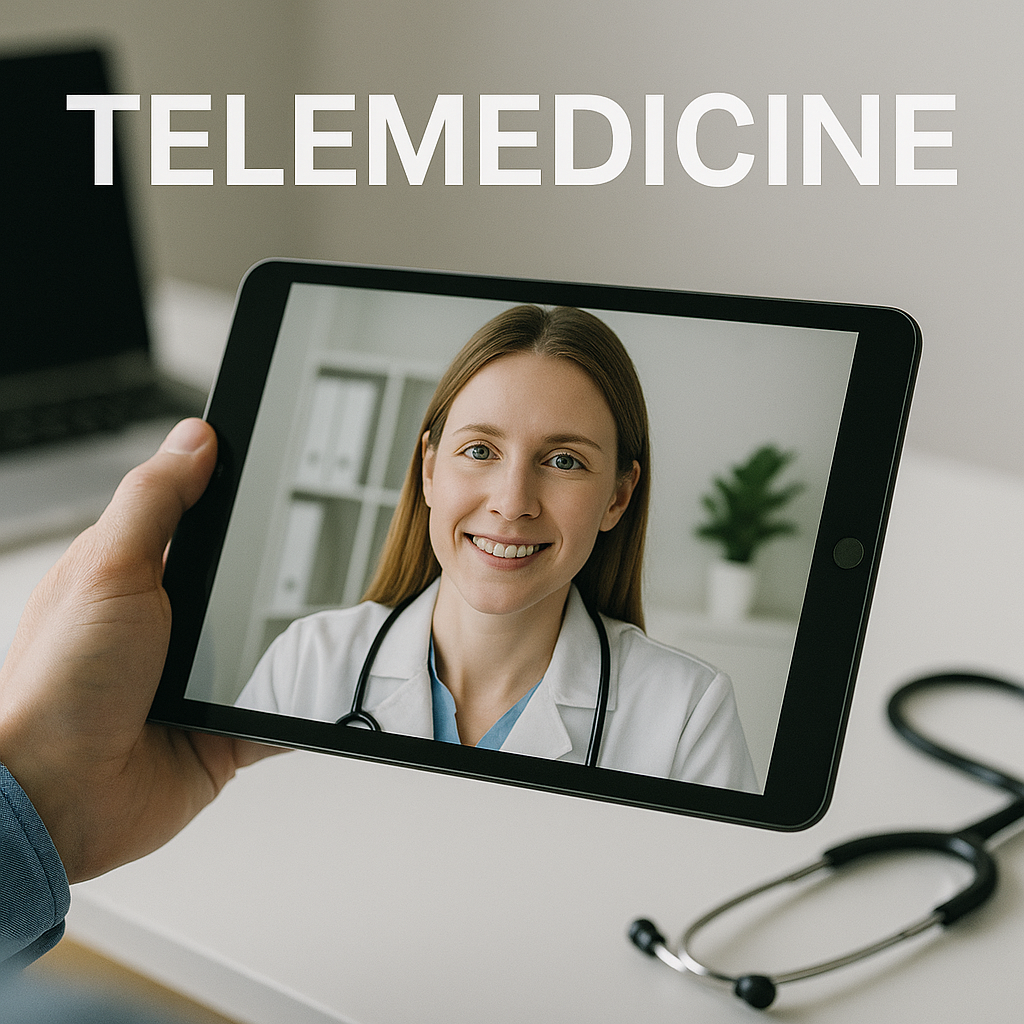
In today’s fast-paced business world, the healthcare industry is undergoing a major transformation. Telemedicine is at the forefront of this change, redefining how patients and providers interact. For entrepreneurs and small business owners, embracing telemedicine means unlocking new revenue streams and improving patient outcomes. Modern telemedicine services offer increased efficiency and innovative business opportunities, benefiting both healthcare professionals and their patients.
Embracing Innovation in Healthcare
Recent advances in telemedicine remote patient monitoring are revolutionizing the industry. By harnessing cutting-edge software and hardware, healthcare providers can monitor vital signs, diagnose routine ailments, and manage chronic conditions—all without requiring traditional in-person visits. This technology is especially valuable in rural or underserved areas, ensuring quality care is accessible to more people.
The strength of these solutions lies in their simplicity and effectiveness. Integrating wearable devices and mobile applications, patients can now share real-time health data with medical experts. Virtual healthcare consultations via telemedicine technology enable prompt interventions, reducing delays that could worsen health issues. These innovations not only enhance clinical outcomes but also lower the logistical and financial challenges of traditional healthcare models.
Opportunities for Entrepreneurs and Small Business Owners
For business leaders aiming to gain a competitive edge, integrating telemedicine into existing business models offers significant potential. Whether you are an investor, a healthcare provider, or a tech entrepreneur, tapping into telemedicine services can open doors to new revenue streams. Incorporating telemedicine into corporate wellness programs, for instance, can lower healthcare costs and promote a healthier, more engaged workforce.
Small business owners in the wellness and technology sectors can form strategic partnerships with established telemedicine providers. By aligning with these innovative services, you can access a burgeoning market while contributing to the broader goal of making quality healthcare more accessible.
Staying informed about the latest industry trends is essential. Resources like business innovation insights offer valuable strategies on seamlessly integrating telemedicine technologies into your operations.
The Economic and Social Impact of Virtual Healthcare
Virtual healthcare consultations are transforming patient care and delivering extensive economic benefits. With rising healthcare costs, reducing overhead while maintaining efficient, quality care is increasingly attractive for both public and private sectors.
Entrepreneurs are recognizing telemedicine as a strategic investment. By minimizing the need for in-person visits, providers can reallocate resources to elevate service quality and overall efficiency. Remote consultations help cut costs related to office space and administrative staffing, freeing capital for further innovation. Additionally, telemedicine remote patient monitoring can flag potential health risks early—often before they escalate into costly emergencies.
A recent Forbes report underlines how technology is driving industry-wide change, with telemedicine leading healthcare innovations. The move toward virtual care and remote monitoring is part of a broader digital shift that modern businesses are eager to embrace.
Building a Future with Enhanced Efficiency and Accessibility
The impact of telemedicine goes far beyond convenience. The future of remote healthcare depends on delivering high-quality care quickly and efficiently. By breaking down geographical and logistical barriers, telemedicine has the potential to democratize healthcare for millions.
For small business owners, this represents an opportunity to contribute to a narrative that balances profitability with public good. Whether through developing platforms for virtual healthcare consultations or partnering with pioneering telemedicine innovators, your business can play a pivotal role in shaping smarter, more accessible healthcare solutions.
While integrating telemedicine comes with challenges such as data security, regulatory compliance, and connectivity issues, careful planning and strategic investments can overcome these obstacles. Entrepreneurs who address these challenges proactively will create resilient business models that thrive in a dynamic market.
As the healthcare landscape continues to evolve, keeping pace with technological advancements is crucial. Leveraging telemedicine not only boosts operational efficiency but also fosters customer trust by delivering accessible, high-quality healthcare.
Adopting telemedicine is more than a trend—it’s a vital step toward modernizing healthcare. With telemedicine remote patient monitoring solutions on the rise, businesses have a unique chance to shape the future of healthcare while ensuring sustainable growth.
- Telemedicine is revolutionizing healthcare with remote patient monitoring and virtual consultations.
- Entrepreneurs can reduce costs and enhance efficiency by integrating telemedicine services.
- Innovative telemedicine solutions offer accessible, high-quality healthcare across all regions.
- Investing in telemedicine technology promotes both business growth and better public health outcomes.


