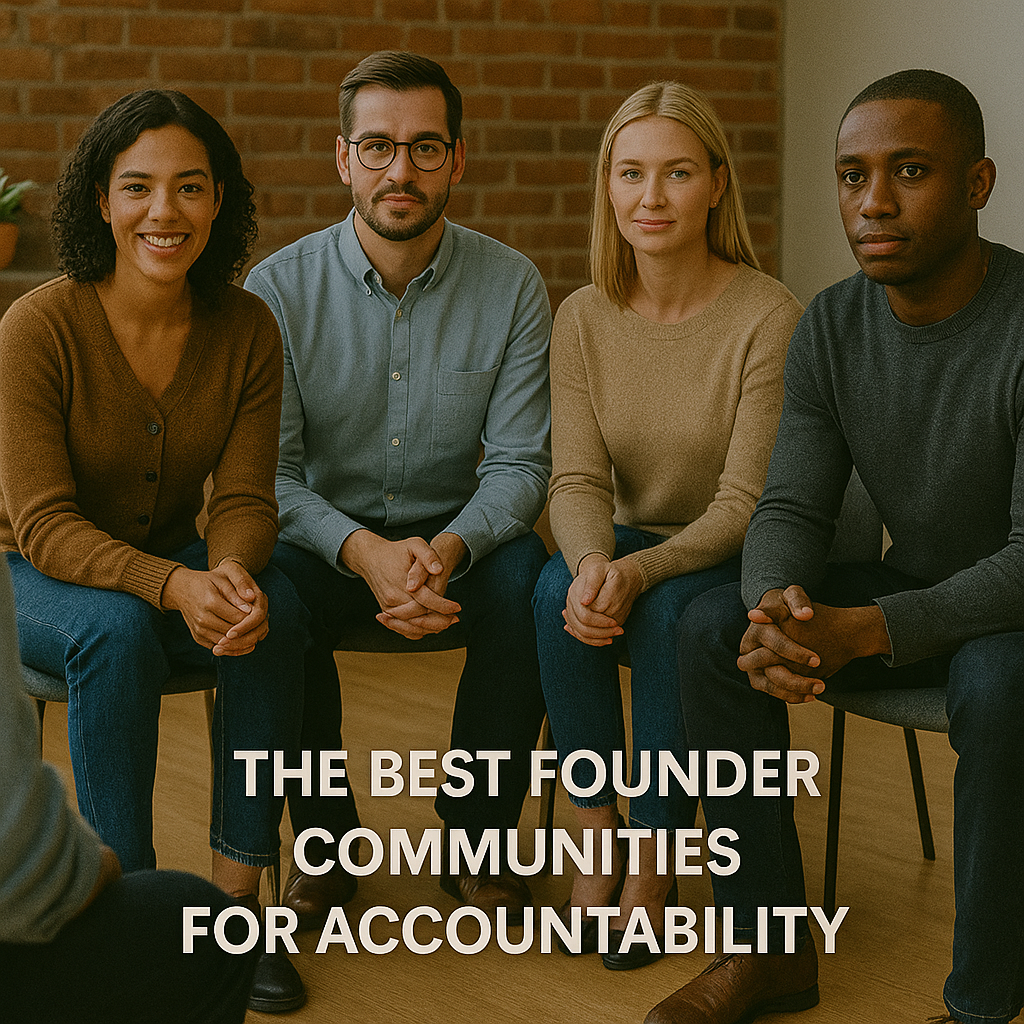
Performance and perseverance form the foundation of entrepreneurship. Successful business owners and startup founders know that reaching your goals demands more than just a great idea—it requires consistent accountability and the courage to embrace challenges. In today’s connected world, joining communities focused on accountability can help your startup break free from stagnation and achieve sustainable growth.
The Crucial Role of Accountability in Entrepreneurship
Accountability transforms visionary strategies into actionable plans. Founders quickly learn that surrounding themselves with like-minded individuals who share both successes and setbacks can enhance problem-solving skills and maintain focus. By committing to personal responsibility and broader business targets, you build a strong foundation for success.
Connecting with the best accountability communities for startup founders means engaging with people who see setbacks as learning opportunities and every small victory as a step toward greater achievements. As highlighted by Forbes, entrepreneurs active in supportive networks tend to enjoy higher rates of success.
Navigating the Landscape of Founder Accountability Groups
There’s never been a better time to join founder accountability groups for business growth. These groups serve not only as networking hubs, but as active platforms for sharing milestones, setting goals, and holding each other accountable for turning visions into realities. They bring together industry leaders, emerging entrepreneurs, and experienced business veterans ready to track progress and sustain momentum. For example, many founders have found inspiration in Founder Network Tips, a resource that dives deep into building and maintaining engaging entrepreneur communities.
The effectiveness of these groups lies in their structured yet flexible interactions. Weekly check-ins, accountability pairings, and one-on-one mentoring sessions foster collaboration and focus, even when the demands of launching a startup can distract from long-term planning.
Imagine a community that encourages you to set measurable targets and regularly review your progress together. This supportive peer pressure drives accountability and creates a culture of transparent growth. Engaging actively in these communities helps founders overcome isolation and indecision common in early business development.
Exploring Top Entrepreneurial Founder Accountability Networks
If you’re looking for top entrepreneurial founder accountability networks, you’ll find that the digital landscape offers plenty of options. Both online platforms and local meet-ups provide spaces where ideas flourish and accountability is a priority. Virtual forums, video conferences, and social media groups make it easier than ever to access valuable resources and networking opportunities.
The shift toward remote work and virtual collaboration has opened doors for founders everywhere. Now, an entrepreneur from a small town has the same access to insight and networking as one in a major city.
This blend of traditional in-person interactions and innovative online groups creates a powerful environment for business growth and innovation. Many experienced founders credit their success to a mix of guidance from industry veterans and fresh insights from emerging voices—an effective combination found in dynamic, multifaceted communities.
Strategies for Integrating Into and Benefiting From Accountability Communities
Joining an accountability community is only the beginning. To fully benefit, you must actively engage with your peers. Consider these strategies:
- Set clear and realistic goals. Define what success looks like on a weekly or monthly basis and share these targets with your community.
- Commit to regular check-ins. Whether through scheduled meetings or casual digital updates, staying connected is essential.
- Offer feedback and ask questions. A thriving community relies on a two-way exchange; share your insights and seek advice from fellow members.
Leveraging community insights can spark creativity and provide unexpected solutions to challenges. Many entrepreneurs find that honest feedback from someone who has faced similar obstacles can be transformative. For instance, Make Business offers actionable strategies that complement lessons learned in these accountability groups.
Equally important is learning to give and receive constructive criticism objectively. This openness builds trust and fosters a culture of continuous improvement. While the entrepreneurial journey is rarely smooth, a connected community can help cushion the bumps along the way.
Fostering Long-Term Business Growth Through Collective Wisdom
Integrating accountability communities into your daily business routine can have long-lasting benefits. It goes beyond attending meetings—it’s about embracing a mindset that values accountability as a key driver of sustainable growth. These communities serve as incubators for refining ideas, testing strategies, and turning setbacks into learning opportunities. Explore more insights on Business Growth Strategies to see how collective wisdom can propel your startup forward.
Engaging with peers who hold you accountable can lead to creative collaborations, strategic partnerships, and valuable mentorships. These networks provide both immediate support and a reservoir of collective expertise that evolves with your entrepreneurial journey.
In today’s competitive economic climate, agility and collaboration are crucial. Knowing the right people to turn to for advice or inspiration can be a game-changer. Many startup founders discover new skills and perspectives simply by exchanging ideas with their accountability community, making these networks a launchpad for innovation and success.
When choosing your next accountability group, look for one that aligns with your business goals while offering a balanced blend of encouragement and challenge. Cultivating these relationships is an investment in your future, yielding dividends in both personal growth and business success.
Embracing a Culture of Accountability for Business Success
At its core, joining an accountability community is about making accountability a cornerstone of your entrepreneurial journey. This commitment elevates your own performance and contributes to a supportive ecosystem where all members strive for excellence.
In an increasingly competitive entrepreneurial landscape, accountability networks can pave a resilient and adaptable path to success. Sharing wisdom and experiences enriches the entire community, ensuring that no founder feels isolated on the road to achieving remarkable business growth.
Startup founders, whether new or experienced, can benefit immensely from joining accountability groups. These communities provide fresh perspectives and innovative strategies that keep your business on track. Embrace the power of these networks to stay accountable while accessing a broad pool of expertise and resources.
- Regular check-ins and clear goal-setting boost focus and performance in accountability groups.
- Peer engagement fosters creative solutions and long-term business growth.
- A mix of experienced and emerging entrepreneurs enriches the overall wisdom of any accountability community.
- Leveraging both online and in-person platforms allows founders to expand their network regardless of location.


