Remote work has moved beyond a temporary solution—it is now a permanent fixture in today’s business world. With rapid technological advancements and constant innovation, entrepreneurs and small business owners have a unique chance to boost growth and efficiency. Staying informed about the future of remote work technology trends is essential for maintaining a competitive advantage in this agile era.
Rethinking the Remote Work Paradigm
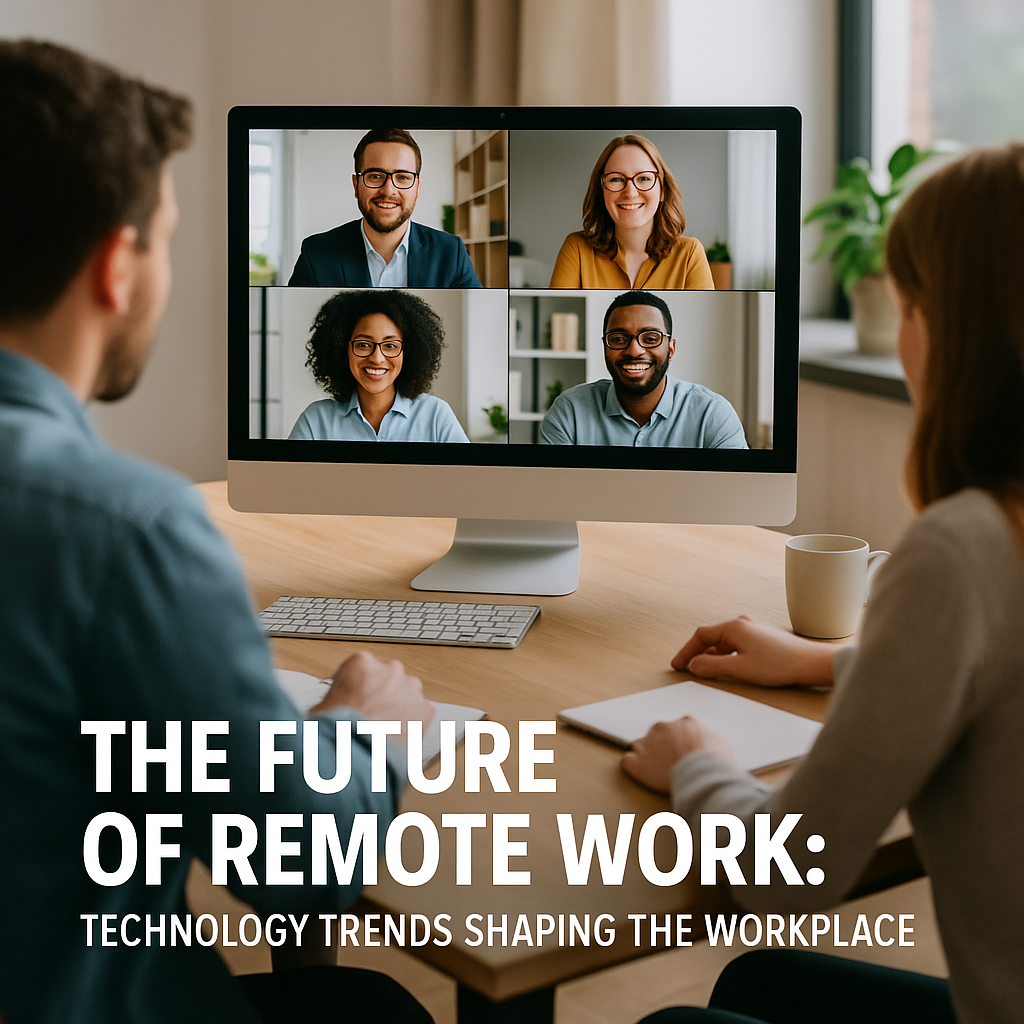
Modern companies, from fresh startups to established enterprises, have embraced remote work as a cornerstone of flexibility and efficiency. As more professionals choose remote options over traditional office settings, businesses must reimagine their workflows. The shift is not just about location independence—it involves revamping processes, leveraging cloud-based communication tools, and ensuring real-time connectivity among teams.
The digital transformation shaping today’s remote workplace has fostered digital ecosystems that enhance collaboration, transparency, and productivity. Forward-thinking leaders are abandoning outdated management methods in favor of innovative strategies that harmonize flexibility with structure. This approach fosters an inclusive and dynamic work culture where employees excel regardless of their location.
Harnessing Emerging Technologies in Remote Work Environments
Entrepreneurs are witnessing a surge in emerging technologies that revolutionize remote work. Innovations like virtual reality (VR) and augmented reality (AR) have moved beyond traditional video conferencing, offering immersive interactions that mirror in-person meetings. These tools have become invaluable for creative brainstorming and in-depth project discussions.
Artificial Intelligence (AI) is a gamechanger in remote work. AI-driven project management systems can smartly assign tasks by assessing team workloads and anticipating potential challenges. For small business owners focused on resource optimization, AI solutions ensure that remote teams remain efficient, engaged, and productive.
Cloud-based collaboration platforms further democratize access to information. Entrepreneurs now depend on integrated software solutions that streamline everything from customer relationship management (CRM) to supply chain logistics. This connectivity is at the heart of remote work technology trends, seamlessly linking employees to essential business functions.
Navigating the Digital Transformation of the Workplace
The global push toward digital transformation marks a pivotal moment for remote work. Business leaders are adapting strategies to support a highly skilled and geographically distributed workforce. This evolution calls for agile methodologies, enhanced cybersecurity, and continuous employee training.
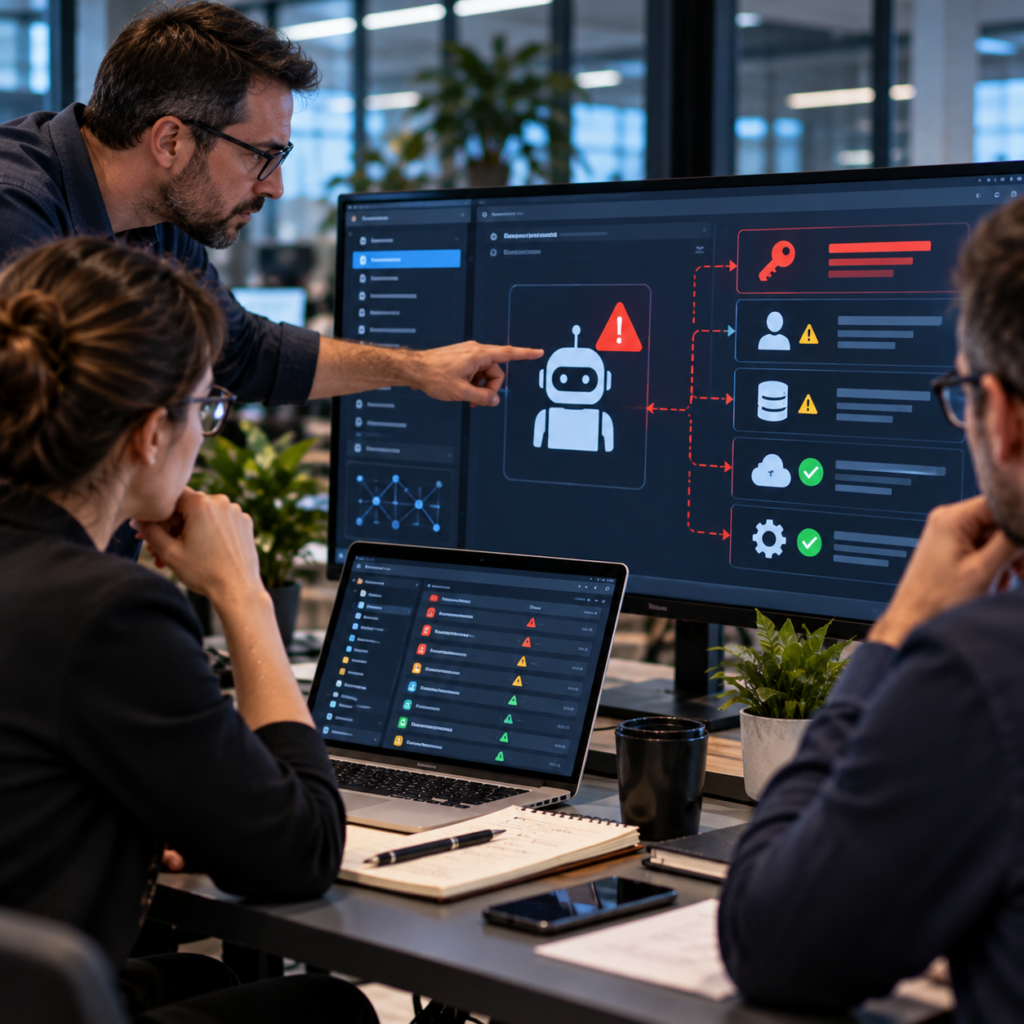
Cybersecurity has become a critical focus area. With the rise of remote work, companies face increased digital threats. By investing in secure communication platforms, multi-factor authentication, and regular cybersecurity training, organizations not only protect sensitive data but also build stronger trust among team members.
Flexibility and resilience are now the guiding principles for remote work strategies. Businesses are building robust digital infrastructures that enable smooth transitions between in-office and remote operations. Regular virtual training and online upskilling initiatives empower every team member to confidently navigate technological changes.
Moreover, the integration of business analytics tools is providing entrepreneurs with real-time insights into productivity and work-life balance. These tools help align long-term strategic planning with the practical needs of managing a dispersed team, ensuring continuous improvement and operational success.
Strategies for Entrepreneurs and Small Business Owners
For small businesses navigating rapid digital evolution, agility is critical. Adapting to the future of remote work technology trends requires visionary leadership and strategic planning. Consider these practical strategies:
- Invest in technologies that streamline workflows and enhance collaboration.
- Promote a culture of continuous learning and professional development.
- Regularly update cybersecurity measures to safeguard sensitive data.
By adopting these initiatives and embracing digital transformation, companies can not only meet current challenges but also unlock new growth opportunities. For further insights into innovative business management and remote work strategies, visit small business guidance platforms.
Strong leadership plays a crucial role in nurturing a digital culture. By establishing clear communication channels and setting precise goals, leaders can help their teams adapt to the evolving remote work landscape. The synergy between technological innovation and effective human connection is the driving force behind sustainable business success.
According to experts at Forbes, companies that implement flexible digital infrastructures are better prepared to tackle future uncertainties. Merging strategic technology investments with compassionate management practices leads to a more resilient and adaptable business model.
In today’s competitive economy, small business owners must view remote work not as a temporary adjustment, but as a long-term strategic advantage. Embracing emerging remote work technologies is reshaping operational blueprints and driving improved collaboration, enhanced efficiency, and better overall performance.
With the deepening integration of digital tools, small enterprises have the agility to experiment with innovative work practices that larger corporations might struggle to implement. This adaptability is setting the stage for future workplace trends and propelling small businesses to the forefront of innovation.
The transition to remote work is more than a shift in location—it is a catalyst for a broader digital revolution in business. By embracing cutting-edge technologies while preserving the essential human touch, businesses can achieve remarkable results. For owners ready to seize new opportunities, understanding and implementing these trends is key to thriving in an increasingly digital marketplace.
- Remote work is driving a comprehensive digital transformation in business operations.
- Innovations in AI, VR, and cloud-based platforms are redefining collaboration and efficiency.
- Enhanced cybersecurity and ongoing employee training are paramount for a secure digital environment.
- Proactive leadership and agile strategies empower small businesses to innovate and grow sustainably.