In today’s fast-paced business arena, entrepreneurs and small business owners face complex challenges that demand agility and foresight. Unforeseen supply chain disruptions, cybersecurity threats, and natural disasters require robust crisis management frameworks. Integrating technology into these strategies is no longer optional—it has become the cornerstone of effective emergency response and operational resilience.
Adapting to Uncertainty Through Digital Innovation
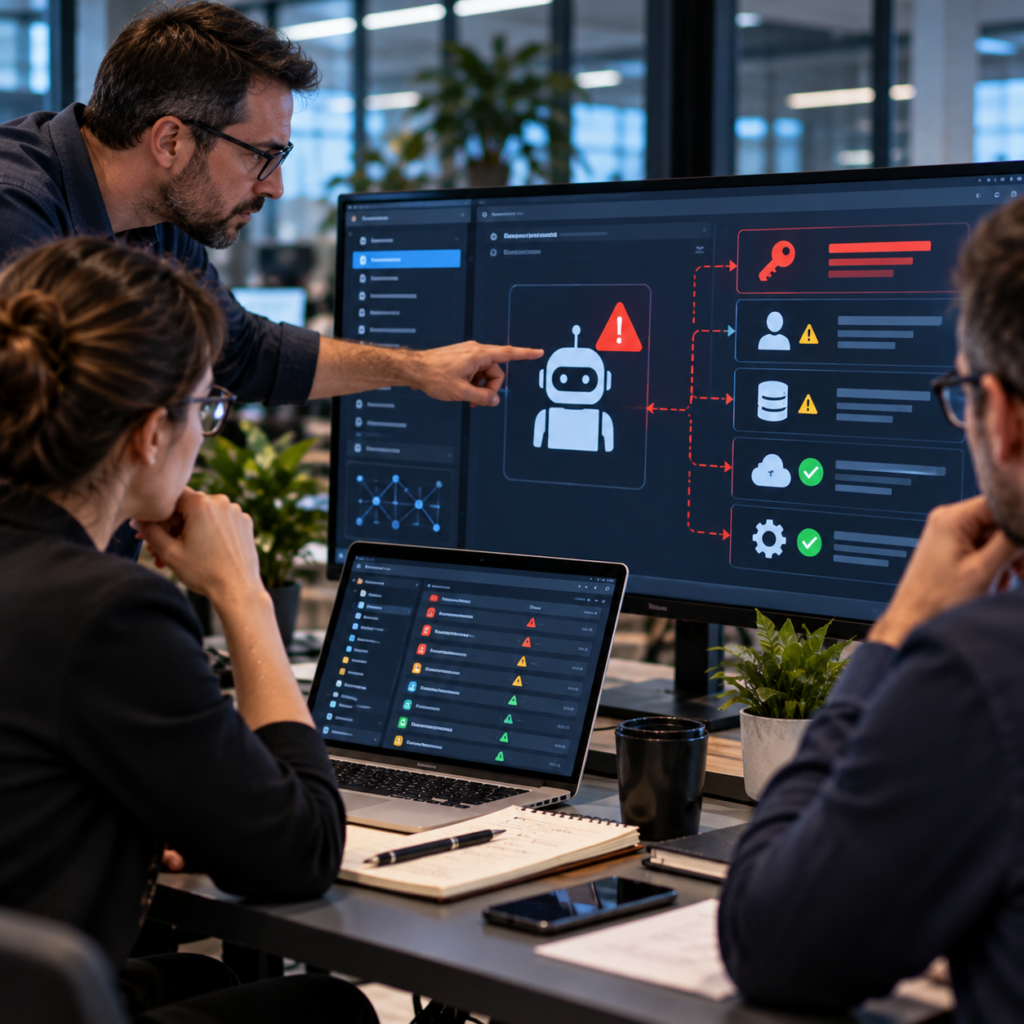
Historically, businesses relied on manual and analog processes during emergencies. However, the ongoing digital transformation has prompted entrepreneurs to adopt a new approach. Leveraging digital tools for crisis response means using data analytics, cloud-based communication platforms, and simulation software to quickly adapt to dynamic situations. This technological integration streamlines decision-making and offers clear, real-time insights into unfolding events.
For small business owners, embracing digitization is especially crucial. User-friendly and cost-effective digital tools provide real-time monitoring and management capabilities even for organizations with limited resources. By developing agile systems capable of pivoting with evolving circumstances, businesses can minimize downtime and maintain customer trust. These innovations offer early warning mechanisms and real-time updates, empowering leaders to act proactively rather than reactively. For more insights on leveraging technology for business growth, check out our post on Digital Transformation for SMEs.
Leveraging Digital Tools for Crisis Response
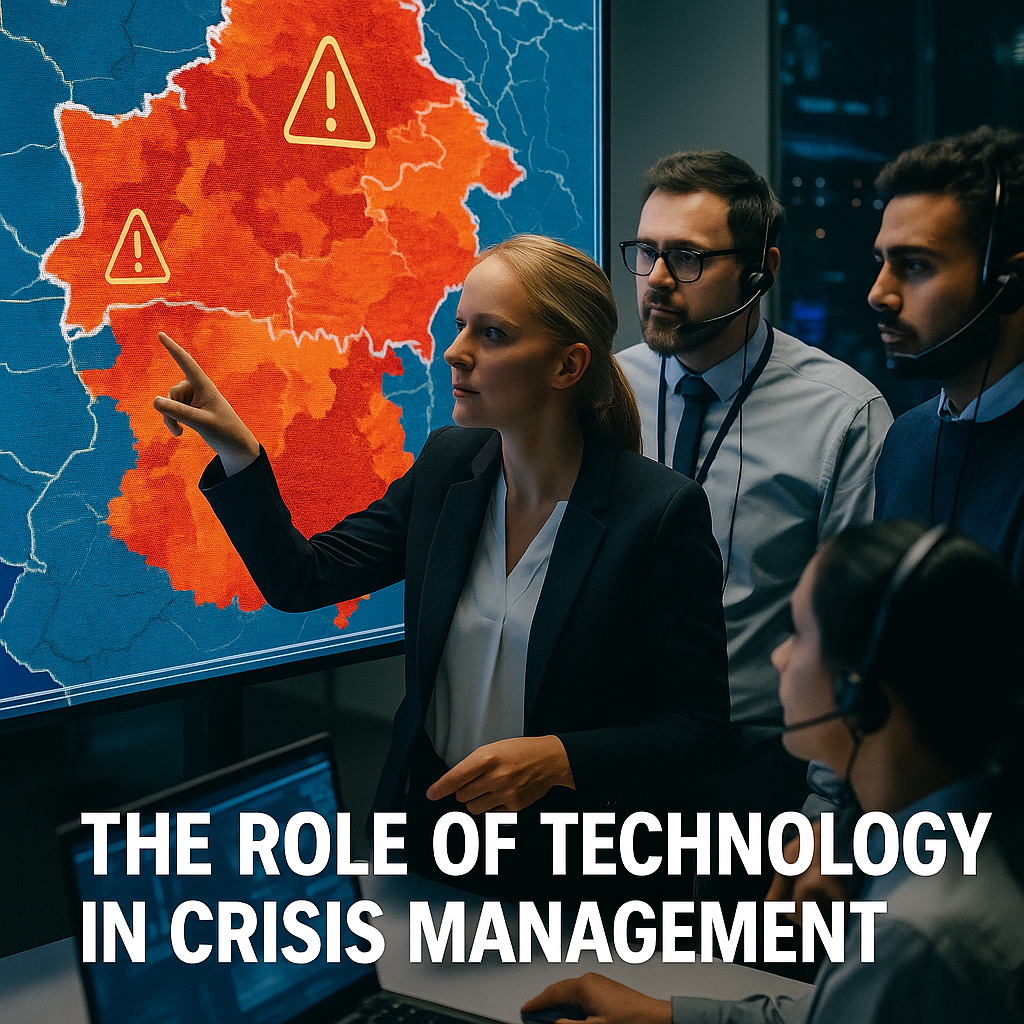
Modern crises extend beyond conventional boundaries, making prompt communication essential. Social media platforms, mobile apps, and cloud-based messaging services form the first line of defense in rapid crisis communication. Entrepreneurs now rely on these advanced technologies to send alerts, share updates, and coordinate with first responders during high-stress situations.
An effective crisis response plan integrates technology into routine operations. Automating alert systems and utilizing failover cloud infrastructures ensure uninterrupted critical communications. Additionally, data gathered during crises can be analyzed later to refine response strategies and optimize resource allocation for future challenges.
Integrating advanced communication channels breaks down traditional silos. For example, connecting automated notification systems with CRM solutions helps keep customers informed and engaged during disruptions. Such strategies protect business continuity while reinforcing customer loyalty through transparency and responsiveness during challenging times.
Innovative Technology Solutions for Emergency Management
Emergent technology solutions are rapidly transforming emergency management. Artificial Intelligence (AI) and machine learning are now pivotal in predicting risks by analyzing trends in historical data. AI-powered chatbots, for instance, offer immediate customer support when human resources are stretched thin during a crisis.
Virtual and augmented reality are making significant contributions to training and real-time operations. These immersive technologies enable employees to practice simulated crisis scenarios, ensuring that every team member is prepared for unexpected events. Such training cultivates a resilient work culture and enhances overall emergency readiness.
The use of Internet of Things (IoT) devices is another growing trend, with real-time data collection and monitoring of critical infrastructure becoming the norm. From temperature sensors in data centers to surveillance systems in manufacturing facilities, IoT devices facilitate early detection and swift response. The actionable insights provided by these devices drive data-driven decisions that boost both safety and operational efficiency.
Drawing inspiration from industry experts in publications like Forbes, many business leaders advocate for a hybrid approach that blends traditional crisis management with advanced technological solutions. Adopting a proactive, tech-driven strategy can significantly reduce the impact of crises on business operations.
Bridging the Gap: Integrating Technology with Traditional Practices
While digital transformation offers clear advantages in crisis management, it is vital to integrate technology with proven traditional methods. Incorporating technology does not replace human judgment—it enhances it. Digital tools serve as valuable extensions of an effective crisis management framework, offering data, speed, and precision that complement human expertise.
Building a resilient organization requires a multi-layered approach. This involves crafting comprehensive plans that include contingency budgets for technology upgrades, investing in staff training for digital tools, and establishing communication protocols that keep everyone aligned. Many small business owners benefit from resources available on trusted platforms like MakeBusiness, which offers actionable insights into modern business operations and strategic planning. For additional strategies on crisis preparedness, explore our article on Crisis Preparedness Strategies.
Integrating advanced technologies with traditional crisis management practices fosters a culture that embraces change and proactively addresses challenges. This balanced approach enables teams to operate more efficiently during critical moments and positions organizations to navigate the complexities of modern emergencies with confidence.
The transformative role of technology in crisis management is reshaping how businesses respond to disruptions. From real-time data analysis to immersive training simulations, technology equips organizations to manage crises effectively. Emphasizing digital tools for crisis response is a testament to the evolving landscape of business risk management, where timely communication and rapid decision-making are essential for survival and success.
Ultimately, as crises become more complex and interconnected, a technology-driven strategy distinguishes businesses that simply survive from those that thrive. For entrepreneurs seeking to safeguard operations, the key lies in balancing traditional practices with innovative tech solutions. In today’s unpredictable world, the fusion of old and new is not just a strategy—it is a necessity.
- Digital tools deliver real-time updates and alerts for faster decision-making.
- Integrating technology into crisis management strengthens operational resilience.
- Innovative solutions like AI, IoT, and VR boost emergency preparedness and response.
- Merging traditional practices with technology fosters a balanced, agile approach to crisis management.