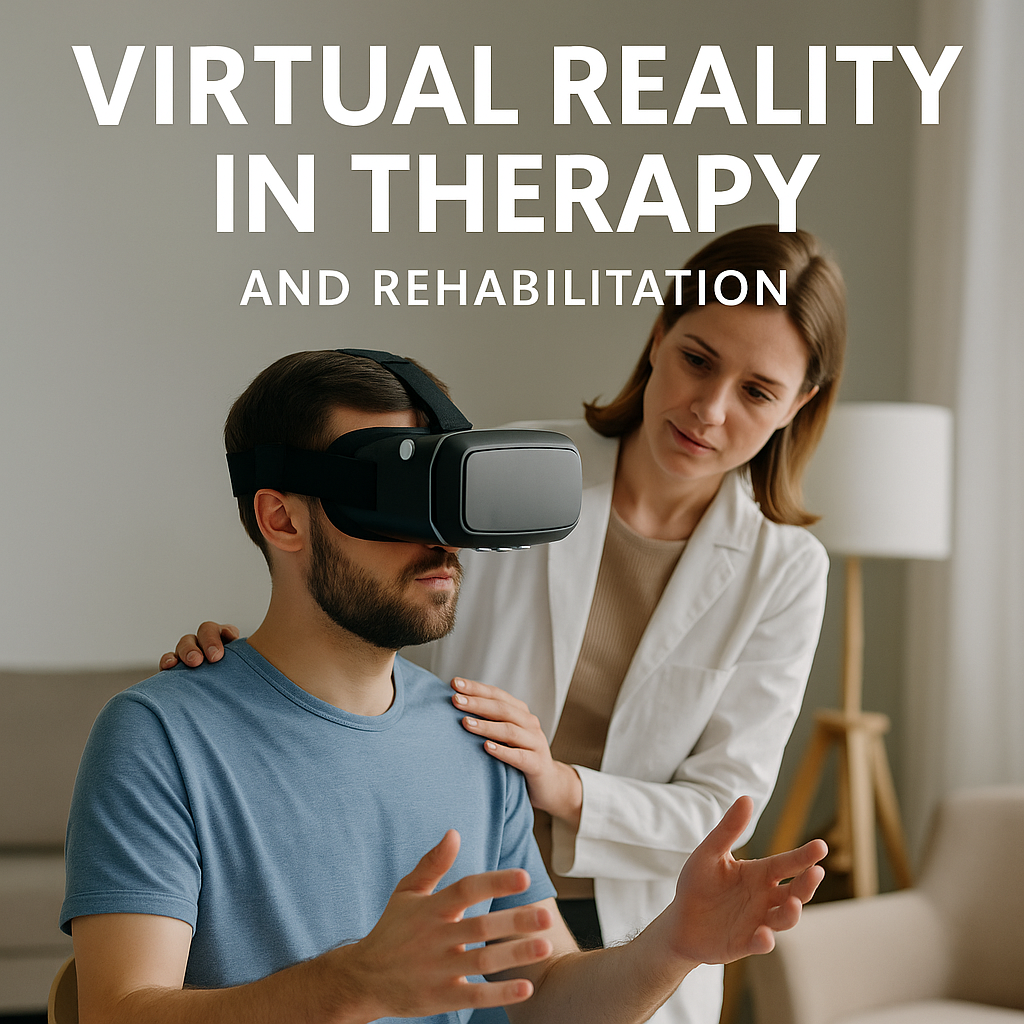
As technology rapidly advances, entrepreneurs and small business owners are continually searching for innovative strategies to enhance service quality and patient outcomes. One breakthrough technology making significant strides is virtual reality (VR). In therapy and rehabilitation, VR transforms traditional methods into engaging, interactive solutions that deliver measurable benefits. This immersive environment is set to revolutionize the healthcare landscape, offering dynamic treatments that captivate patients and improve recovery outcomes.
Transforming Rehabilitation with Immersive VR Technology
Virtual reality is no longer exclusive to gamers or tech enthusiasts; healthcare professionals are increasingly recognizing its potential to address complex medical challenges. VR-based physical therapy and rehabilitation programs empower patients to engage in controlled environments specifically designed to practice movements, enhance motor skills, and develop effective coping mechanisms. This patient-centered approach not only accelerates recovery but also introduces a more engaging and adaptive treatment experience.
For instance, VR therapy for stroke rehabilitation has emerged as a highly effective intervention. By offering interactive exercises that allow patients to safely practice motor functions, VR creates a controlled setting for relearning essential skills. Entrepreneurs in the health-tech sector are integrating VR with remote monitoring systems, enabling real-time progress tracking and ensuring improved, personalized recovery outcomes.
Another area experiencing dynamic innovation is mental health. Immersive VR rehabilitation for mental health challenges enables individuals to confront issues like anxiety, depression, and post-traumatic stress disorder in a controlled, virtual space. This method supports exposure therapy and mindfulness exercises, allowing patients to manage their conditions in a stress-free environment that promotes emotional healing.
Integration Opportunities for Businesses
Businesses looking to diversify their service offerings have compelling reasons to invest in VR technology. As the demand for non-traditional therapeutic methods grows, integrating VR-based physical therapy and rehabilitation programs is becoming a game changer. This technology not only enhances patient care but also creates a unique user experience that sets a business apart in competitive healthcare markets.
Small business owners might initially view VR adoption as a challenging endeavor, yet the benefits significantly outweigh the hurdles. Enhanced patient engagement through VR leads to greater adherence to treatment protocols and ultimately better recovery outcomes. Moreover, adopting VR positions a business as innovative and tech-forward. Collaborating with tech developers can translate these ideas into functional systems that address real patient needs, making therapy sessions more interactive and less monotonous.
In the fast-paced digital era, many successful businesses turn to trusted platforms like Make Business for resources, insights, and networking opportunities. This proactive approach helps business owners stay ahead of emerging trends, especially in fields where technological innovation is rapidly reshaping standard care.
Real-World Applications and Benefits of VR in Therapy
One of the most powerful aspects of VR is its ability to adapt. By simulating everyday scenarios, VR therapy for stroke rehabilitation helps patients rebuild motor functions within meaningful contexts. These controlled settings allow for targeted therapeutic exercises while minimizing risks and maximizing recovery benefits.
Moreover, the impact of immersive VR rehabilitation for mental health cannot be overstated. With rising cases of anxiety and depression, innovative solutions are needed beyond traditional therapy methods. By immersing patients in carefully crafted, calming virtual environments, VR offers a novel treatment approach that is both effective and engaging. Business leaders investing in such innovations are promoting better mental health outcomes while advancing the integration of technology in healthcare.
Research and clinical studies continue to support the benefits of VR-based interventions. A 2019 Forbes article highlighted technological advancements in healthcare that significantly improve patient engagement and rehabilitation outcomes. Data indicates that when patients are actively involved in their therapeutic process, recovery becomes a collaborative and rewarding journey. These promising results not only highlight the therapeutic advantages of VR but also its potential for widespread adoption in clinical practice.
Meeting the Demand for Modern Therapy and Rehabilitation
Both entrepreneurs and healthcare providers recognize that patient-centric care is essential. VR-based physical therapy and rehabilitation programs offer personalized interventions tailored to individual mobility, cognitive, or emotional needs. This customization is particularly vital for treatments like stroke rehabilitation or managing severe mental health conditions.
The interactive nature of VR fosters a dynamic relationship between patients and technology. Customizable programs can adjust in real time based on the patient’s progress, offering a level of adaptability that traditional methods often lack. By collecting critical data during therapy sessions, VR gives therapists valuable insights into recovery patterns, which helps refine treatment techniques and improve overall effectiveness.
Beyond clinical advantages, the operational benefits for businesses using VR in therapy are significant. By reducing the cognitive burden on patients and boosting engagement, therapy cycles can be shortened, leading to lower overall treatment costs. In a competitive healthcare environment, these improvements can be decisive in achieving higher patient satisfaction and long-term business sustainability.
Many companies are now incorporating VR therapy for stroke rehabilitation as a standard component of their recovery programs. This approach not only improves patient outcomes but also positions these companies at the forefront of medical innovation. Success stories from early adopters set inspiring benchmarks, encouraging further investment in VR-driven healthcare solutions.
As VR technology continues to evolve, its applications in therapy and rehabilitation will only expand. From enhancing traditional physiotherapy to providing robust mental health interventions, VR is poised to become a cornerstone of modern patient care. With continual technological advancements and growing evidence supporting its methods, VR is positioned to revolutionize therapy and rehabilitation strategies for years to come.
- VR transforms therapy and rehabilitation by addressing both physical and mental health needs.
- Virtual reality therapy for stroke rehabilitation offers safe, personalized motor function exercises.
- Immersive VR rehabilitation for mental health provides controlled environments for exposure therapy and mindfulness practices.
- Integrating VR solutions enhances patient engagement, streamlines treatment protocols, and differentiates healthcare services.