Modern businesses are constantly exploring innovative solutions to boost productivity and foster a balanced work-life culture. In an era where employee well-being is directly linked to efficiency, entrepreneurs and small business owners are increasingly investing in wearable health tech. These advanced devices go far beyond simple fitness tracking—they provide comprehensive, real-time insights into physical health, making them a smart investment for enhancing workforce well-being.
Redefining Workplace Wellness with Wearable Health Tech
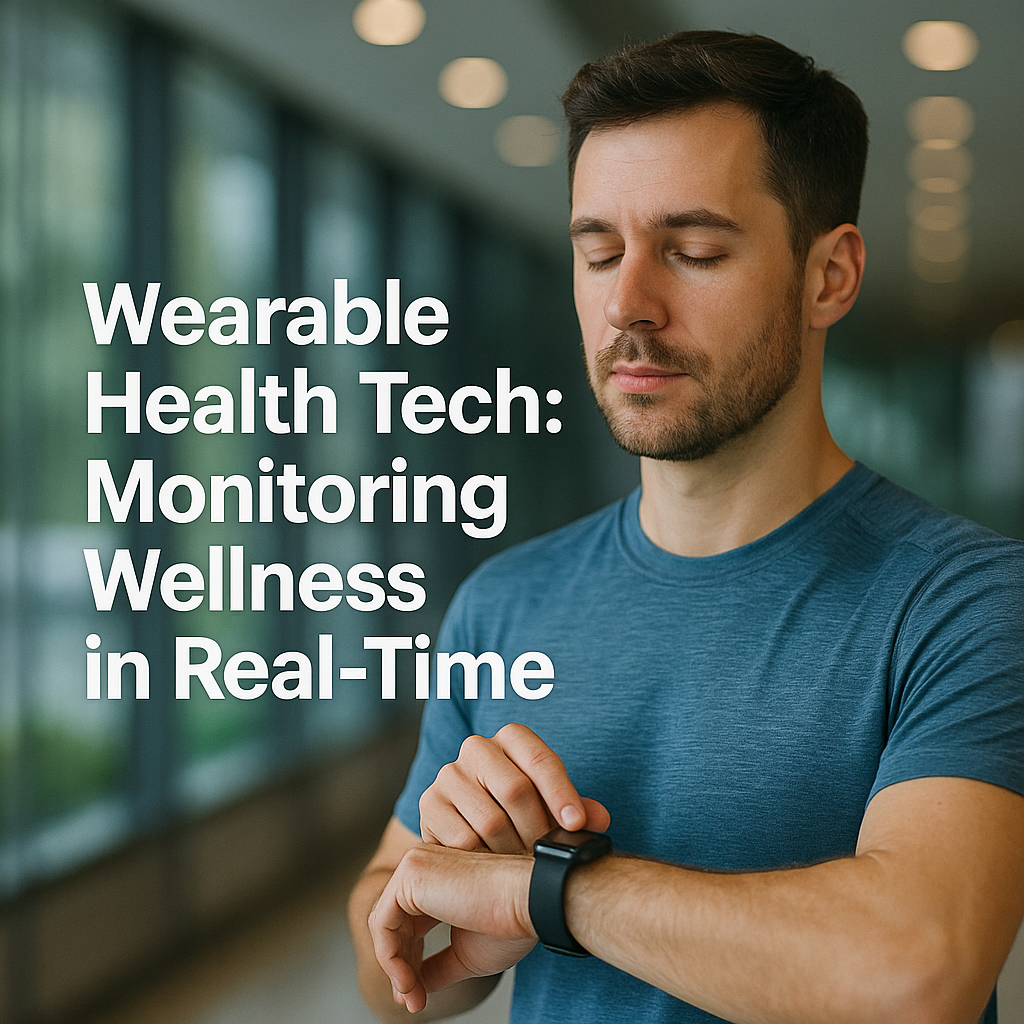
The integration of technology into daily health practices is transforming workplace wellness. Today’s wearable devices do more than count steps—they collect extensive health data, tracking vital metrics like heart rate variability and sleep patterns. This real-time monitoring enables entrepreneurs to gain unprecedented insights into individual wellness, allowing for early detection of health deviations and proactive management before minor issues escalate.
For small businesses with tight margins, this proactive approach is a game changer. Early detection of stress or fatigue can lead to timely interventions, reducing sick days and fostering a more engaged, productive team. Embracing wearable health tech cultivates a work culture where employee health is a priority, ultimately leading to enhanced productivity and satisfaction.
How Advanced Wearable Technology Enhances Decision-Making
Wearable technology for continuous wellness tracking goes beyond personal health—it also optimizes business strategies. By analyzing data trends such as employee stress during peak periods, business owners can adjust workloads, optimize break schedules, and refine wellness programs. This data-driven approach enables tailored health initiatives that boost overall productivity and morale within the organization.
The granular insights provided by these devices empower businesses to implement subtle yet effective changes, such as rescheduling meetings or integrating short breaks that significantly improve work performance. Real-time feedback not only supports smarter, data-driven decisions but also reinforces a culture of health and well-being.
For more innovative strategies to enhance business performance, visit business advisory platforms that offer customized insights for today’s entrepreneurs.
Challenges and Opportunities in Integrating Wearable Devices
While the benefits of wearable health tech are substantial, integrating these devices into business operations presents challenges. Data privacy is a primary concern since wearables collect sensitive personal information. Entrepreneurs must invest in robust security systems to protect user data and comply with regulations, ensuring that potential risks are properly managed.
Technological compatibility is another hurdle. For wearables to be truly effective, they must integrate seamlessly into existing digital ecosystems, working efficiently with other health management tools. As the industry evolves, developers are streamlining integrations to ensure smooth transitions for both individual users and corporate IT departments.
On the opportunity side, wearable devices pave the way for groundbreaking health initiatives. By delivering personalized, real-time insights, these devices empower employees to take control of their health while providing business owners with invaluable data for long-term strategic planning. This synergy between personal health metrics and performance data is setting the stage for innovative wellness programs that keep pace with modern business demands.
Emerging Trends and the Future of Real-Time Health Monitoring
The future of wearable health tech is bright, with significant advancements expected in sensor technology and data precision. Upcoming devices will likely offer predictive analytics, suggesting lifestyle adjustments before minor imbalances evolve into serious health issues. This proactive approach to health monitoring is set to redefine employee wellness in the corporate landscape.
As wearable devices become more prevalent in business settings, corporate wellness programs are transforming into dynamic, data-driven initiatives. The integration of artificial intelligence and machine learning allows for highly personalized health recommendations and instant alerts, adapting to each individual’s health patterns. This continuous feedback loop empowers employees and equips small business owners with the tools to maintain a healthier workforce.
Moreover, the collaboration between modern business platforms and wearable tech bridges the gap between personal health and corporate strategy. The adoption of real-time monitoring devices is not only reshaping wellness programs but also redefining how businesses manage employee health and productivity. Entrepreneurs who leverage these innovations will gain a significant competitive edge in today’s evolving market.
The ongoing development of advanced wearable technologies combined with the integration of health data into daily business operations signals a promising future for workplace wellness. By staying informed and adopting these innovative strategies, entrepreneurs can ensure they remain ahead of the curve in an increasingly competitive landscape.
- Gain real-time insights into employee and personal health with wearable devices.
- Leverage advanced sensor technology for smarter, data-driven business decisions.
- Prioritize data privacy and ensure seamless integration with existing systems.
- Benefit from emerging trends like AI integration for personalized health recommendations.