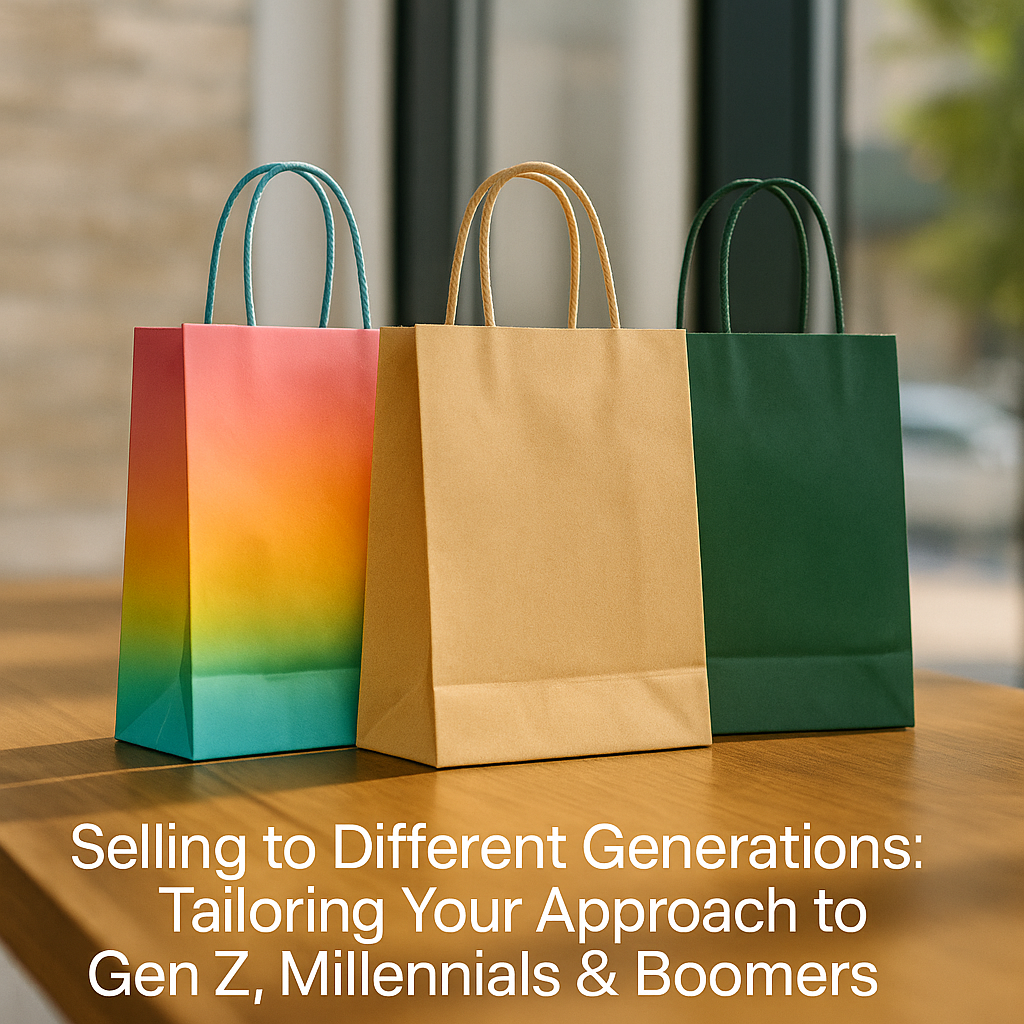
Every entrepreneur and small business owner understands that a one-size-fits-all approach rarely works in today’s diverse marketplace. Crafting tailored marketing strategies for Gen Z, Millennials, and Boomers is essential. By understanding the unique preferences of these generations, you can implement effective multigenerational selling tips that resonate with modern consumers. This article explains how to engage Gen Z, Millennials, and Boomers with actionable insights and effective approaches for selling to different generations.
Understanding the Consumer Landscape
The era of universal advertising is over. Today’s consumers belong to generations with distinct values, motivations, and lifestyles, making it crucial for small business owners to understand these nuances. When developing tailored marketing strategies for Gen Z, Millennials, and Boomers, consider not only where they spend their time but also what truly matters to them.
For example, Gen Z, raised in the digital age, demands immediacy and authenticity. Their shopping habits are influenced by social media trends, interactive content, and genuine brand messaging. Millennials, while also tech-savvy, value unique experiences and community connections, often favoring brands that mirror their personal values. In contrast, Boomers appreciate tradition and trust, preferring clear, straightforward communication and personalized customer service. Recognizing these differences is the foundational step for effective approaches for selling to different generations.
Crafting a Multigenerational Strategy
Creating Content that Resonates
Develop content that speaks directly to each generation. Gen Z values dynamic and visually engaging content that thrives on platforms like Instagram, TikTok, and Snapchat. Leverage videos, interactive graphics, and user-generated content to reflect authenticity and real-life experiences.
Millennials are drawn to longer-form content that connects them with your brand’s mission. They enjoy behind-the-scenes insights and storytelling that highlights social responsibility. Incorporating customer testimonials or case studies that align with shared values can forge a strong emotional connection. For more on cultivating unique customer connections, check out our recent article on Building Multigenerational Connections.
When targeting Boomers, clear and concise content works best. Simple how-to guides, easy-to-read blogs, or straightforward e-newsletters build trust by offering detailed product information and transparent pricing. Combining these digital strategies with traditional methods creates an effective multigenerational marketing approach.
Choosing the Right Platforms
Not all social media platforms or digital channels are equally effective for every generation. To successfully reach Gen Z, Millennials, and Boomers, ensure your marketing efforts are active on the channels your customers use most. Boomers may prefer email campaigns and in-person interactions, while Gen Z often responds better to influencer collaborations and trending social media challenges.
Millennials might be active on Facebook and Twitter, yet also value video content on YouTube and informative podcasts. Understanding these platform preferences helps you implement multigenerational selling tips that are both efficient and effective.
Personalizing the Customer Journey
Personalization is one of the most effective approaches for selling to different generations. Today’s customers expect experiences tailored to their unique needs, and thanks to modern technology, personalized marketing has never been more accessible or necessary.
Utilize data analytics to clearly segment your audience. By understanding the online behaviors of Gen Z, Millennials, and Boomers, you can craft personalized messages that truly resonate. For example, customized email campaigns that address the recipient by name, highlight their preferences, or reference past purchases can significantly boost engagement and loyalty across all age groups.
Additionally, consider using recommendation engines on your website. If a visitor frequently browses fitness products, dynamically showcase related items or trending workout gear popular among their age group. Offering a customized user experience is a powerful, scalable approach for selling to different generations.
Integrating Traditional & Digital Marketing Approaches
Balancing traditional marketing techniques with modern digital strategies is essential for small business owners targeting a diverse audience. While digital tools provide data-driven precision, the personal touch of traditional marketing should not be underestimated. Combining community events or local seminars with your online strategy can yield extraordinary results. For example, a face-to-face workshop might build trust among Boomers, while live-streamed sessions or interactive webinars can engage Millennials and Gen Z.
Modern technology bridges these two worlds. Employ CRM systems with robust segmentation capabilities to ensure you deliver the right message at the right time—whether through personalized emails or targeted ad campaigns on your customers’ preferred platforms. For more detailed business insights and strategies, explore expert resources at Make Business.
For additional case studies and insights on generational marketing trends, visit reputable sources like Forbes. Combining data insights with real-world examples helps you remain agile and continuously refine your approach.
Striking a balance between personalized digital outreach and time-tested traditional methods builds a lasting brand. Adapting to your customers’ evolving needs and embracing strategies that honor generational differences will unite your brand message and foster long-term relationships.
Small business owners and entrepreneurs face an exciting challenge. Although the marketplace is more segmented than ever, deeper insights into each generation provide tremendous opportunities. Investing in tailored marketing strategies for Gen Z, Millennials, and Boomers not only boosts current sales but also paves the way for long-term growth. By adapting to contemporary consumer demands and recognizing the strengths of each generation, you can build robust customer relationships that span across age groups.
Remember, adopting these multigenerational selling tips does not require an overnight overhaul of your marketing approach. It starts with incorporating thoughtful, small changes into your customer journey. Whether you’re revamping your website, planning your social media calendar, or launching an email campaign, begin by asking: “How can I make this experience more relevant to my customer?”
As you implement these effective approaches for selling to different generations, track your progress and remain flexible. Marketing is constantly evolving, and the most successful strategies adapt alongside changing consumer expectations. Experiment with various techniques, measure their effectiveness, and refine your approach continually.
In today’s competitive market, the power of personalization and understanding generational preferences is undeniable. Entrepreneurs and small business owners who invest in learning the nuances of each target group stand out by building trust and credibility over time. Combine this insight with a genuine passion to serve, and your business will not only survive—it will thrive across generations.
- Identify unique traits in Gen Z, Millennials, and Boomers to refine your communication style.
- Integrate digital innovation with traditional marketing techniques for a wider reach.
- Use data analytics to personalize interactions and enhance customer engagement.
- Continuously monitor and refine your strategies to stay relevant in a dynamic marketplace.