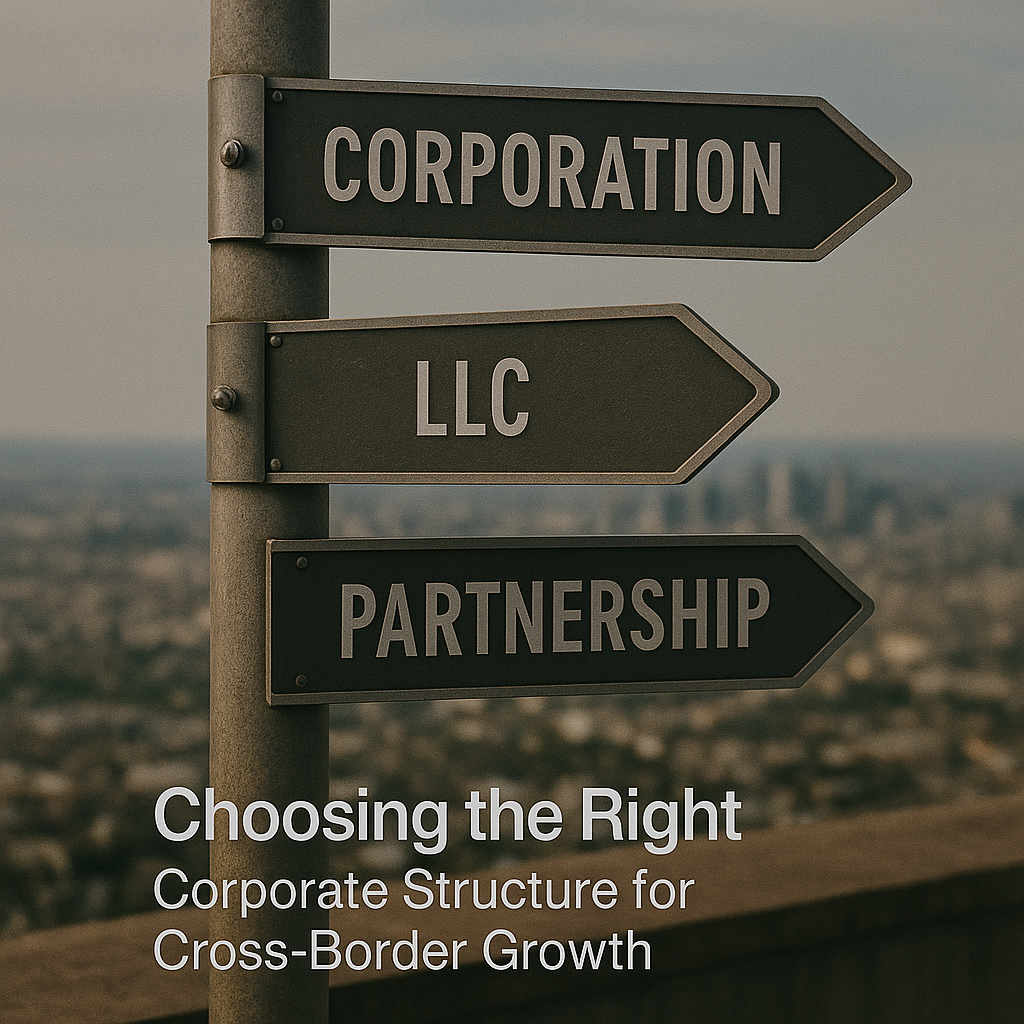
Every entrepreneur dreams of taking their business to new heights, and international expansion is a natural next step for many small business owners. Behind every successful cross-border venture lies not only an innovative product or service, but also a well-planned corporate structure. Establishing the right legal and operational framework is crucial for adapting, prospering, and navigating the complexities of global markets.
Understanding the Importance of Corporate Structures in International Expansion
When planning to extend operations beyond domestic borders, selecting the right legal framework is essential. Each country has unique regulatory requirements, tax implications, and market dynamics. A solid corporate structure not only ensures compliance but also positions your business strategically for success in international markets.
From sole proprietorships to limited liability companies, partnerships, or joint ventures, the type of corporate structure you choose will affect liability protection, operational efficiency, financing options, and public perception. For example, while a limited liability company (LLC) protects personal assets, it often involves more complex administrative procedures. Entrepreneurs must consider the advantages and disadvantages of each structure in both domestic and international contexts.
Resources like the insights available at Make Business provide valuable guidance on navigating challenges and capitalizing on opportunities in the global market, offering tailored advice on corporate structure strategies for international expansion.
Strategic Considerations When Setting Up a Global Corporate Structure
Successfully launching your venture in international markets requires a thorough evaluation of both strategic and operational factors before selecting a legal framework. One critical element is understanding local market dynamics. Multiple jurisdictions demand that you consider local market preferences, taxation norms, reporting standards, and labor laws to create an effective corporate structure.
An optimal framework for cross-border growth goes beyond legal compliance; it ensures operational efficiency. Structuring an organization around regional hubs can help manage risk and boost overall performance, enabling you to leverage local expertise while maintaining managerial agility.
Furthermore, the scalability of your chosen structure is crucial. A model that works in a domestic market might not suffice when expanding overseas. As your business grows, you need the flexibility to create subsidiaries, branch offices, or merge with local partners without undergoing major restructuring. This adaptability is especially important in industries that face frequent regulatory updates or shifting economic climates.
Balancing risk and opportunity is key when configuring the ideal legal framework for international expansion. Options range from forming independent local entities to establishing an umbrella corporation that consolidates international operations under one brand, each with its own benefits, costs, and risks.
Tactical Approaches and Corporate Structure Strategies for International Business Expansion
Business owners often wonder whether to create a new legal entity in each country or to use branch offices or franchise models to extend market reach. The best approach depends on the scope of your operations, local market conditions, and long-term business goals. In markets with stringent regulations or where tax optimization is critical, establishing independent subsidiaries might be the most effective strategy.
For example, a subsidiary can offer localized management and decision-making in markets with distinct consumer behaviors, while managing multiple independent entities might complicate swift, company-wide adjustments.
A hybrid model that combines centralized control with the benefits of decentralization is a popular choice. This approach empowers central headquarters to provide overall guidance and maintain corporate culture, while allowing local subsidiaries the flexibility to adjust tactics based on regional insights.
Expert insights, such as those provided by Forbes, underscore the importance of tailoring corporate structure strategies for international business expansion. These perspectives emphasize that every company should consider risk management, market conditions, and long-term objectives when designing a framework for global growth.
Before finalizing your structure, consult with legal and financial experts who specialize in international expansion. Many law firms offer free initial consultations, and resources from Make Business provide practical tips, detailed guides, and case studies on how small businesses have successfully expanded internationally.
Adapting as Your Business Grows Internationally
After selecting a corporate structure, continuous evaluation and adaptation are essential. Global markets are dynamic, and strategies that work at the start may need reevaluation as your business scales. Flexibility in your framework will help you manage fluctuating currency values, evolving customer needs, and changing regulations.
Regular assessments of your legal framework ensure alignment with operational goals. This process can include routine audits by local experts, integrating advanced technologies for real-time market intelligence, and readiness to pivot operational models as needed. A nimble corporate structure not only mitigates risks but also unlocks growth opportunities.
Proactive restructuring can pave the way for further expansion, including mergers and acquisitions. Transitioning from a local company to an international powerhouse becomes smoother when your foundation supports rapid scaling and protects core assets.
Investing in ongoing talent development is also crucial. As your business grows, building a team that understands both your company’s culture and the nuances of international markets becomes increasingly important. Comprehensive local training programs ensure consistency in corporate culture and enhance your competitive edge.
A flexible corporate structure is future-proof. As foreign market legislation changes, periodically revisiting and adjusting your legal models ensures that your setup remains compliant and efficient. Entrepreneurs who stay agile and responsive can overcome obstacles more efficiently, accelerating decision-making during both challenging and opportune times.
- Assess local market conditions and regulatory requirements to choose the right legal framework for cross-border growth.
- Balance centralized control with local autonomy to optimize operational efficiency and manage risk effectively.
- Conduct regular assessments and maintain flexibility in your corporate structure strategy to stay competitive.
- Consult local experts and utilize resources like Make Business to gain valuable insights for your international growth strategy.