Latest posts
-
Retail AI Visibility Depends on Structure, Not Brand Spend: A Product Discovery Audit Plan
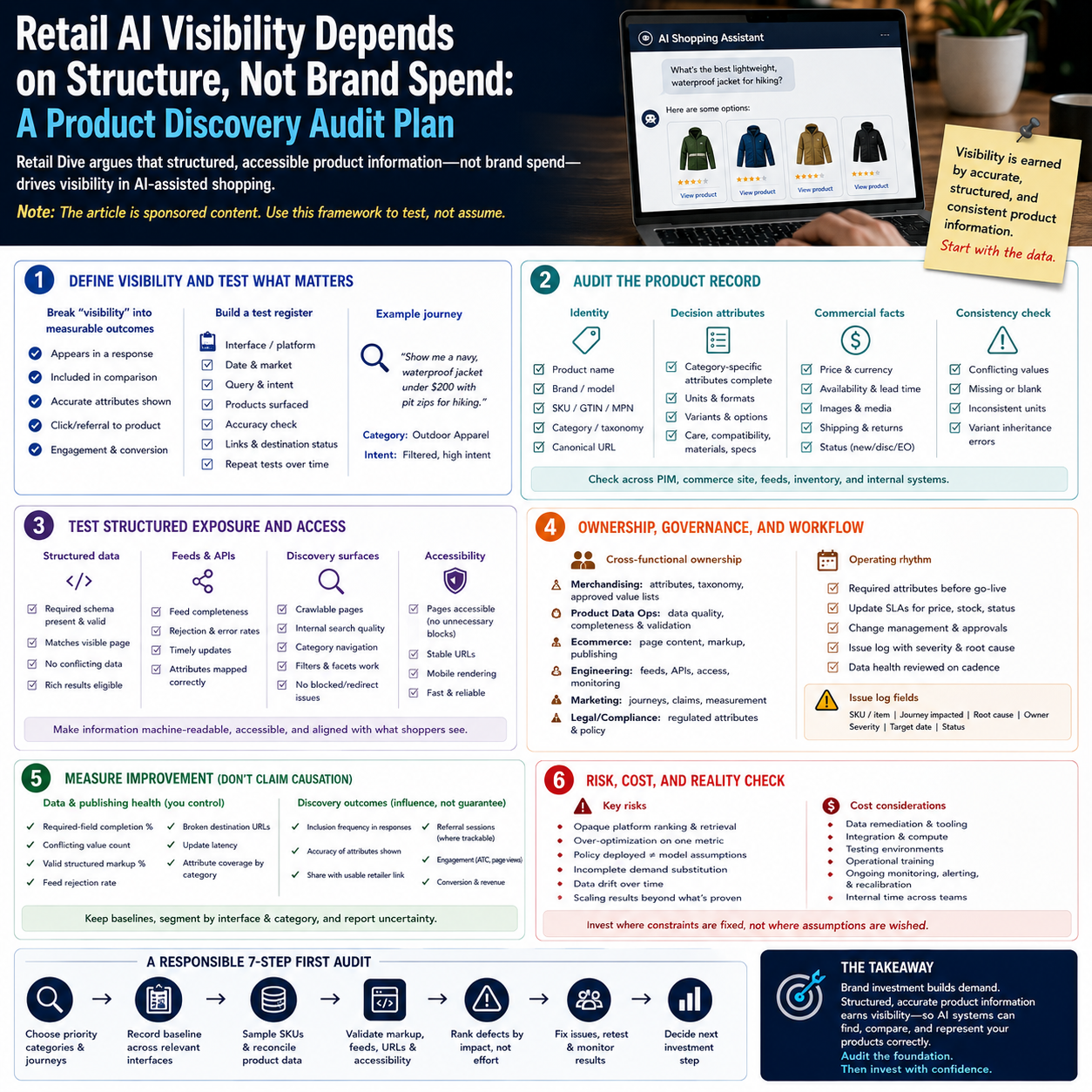
Retailers accustomed to buying reach may assume that strong brand equity, large media budgets and polished campaigns will also secure visibility when shoppers use AI-assisted discovery. The supplied Retail Dive article challenges that assumption, arguing that structured, accessible product information matters more than brand spend alone. Importantly, the article is sponsored content, so its argument…
-
Digital Twins for Retail Inventory: What to Simulate Before Changing Stock Policies
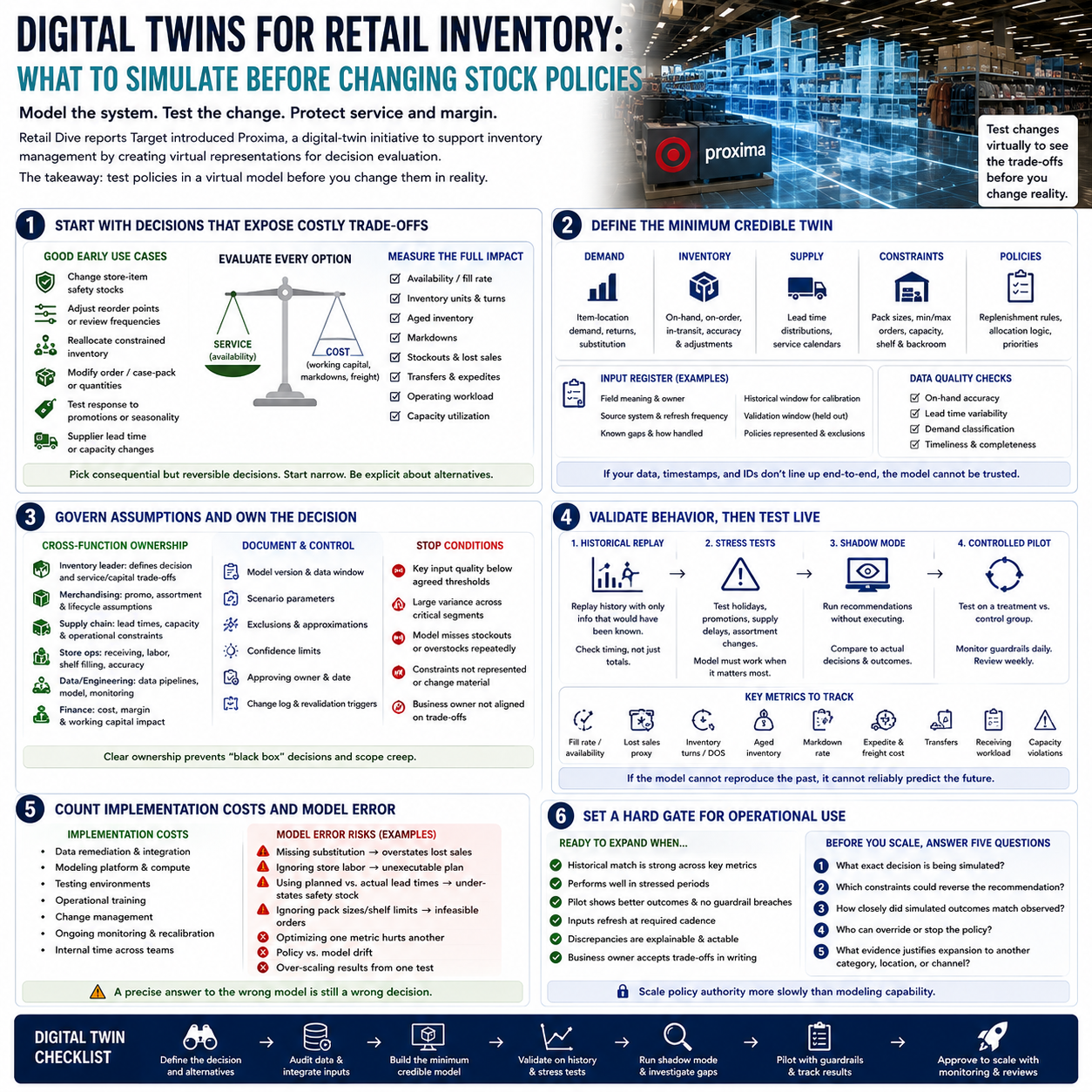
Changing an inventory policy is rarely a contained decision. A higher safety-stock target may improve availability but increase markdown exposure. A different replenishment rule may help one store format while creating capacity problems elsewhere. Digital twins promise a safer way to examine such trade-offs: model the relevant operating system, simulate a proposed change, and compare…
-
When BNSF’s Faster Phoenix–Dallas Intermodal Service Justifies a Freight Plan Change
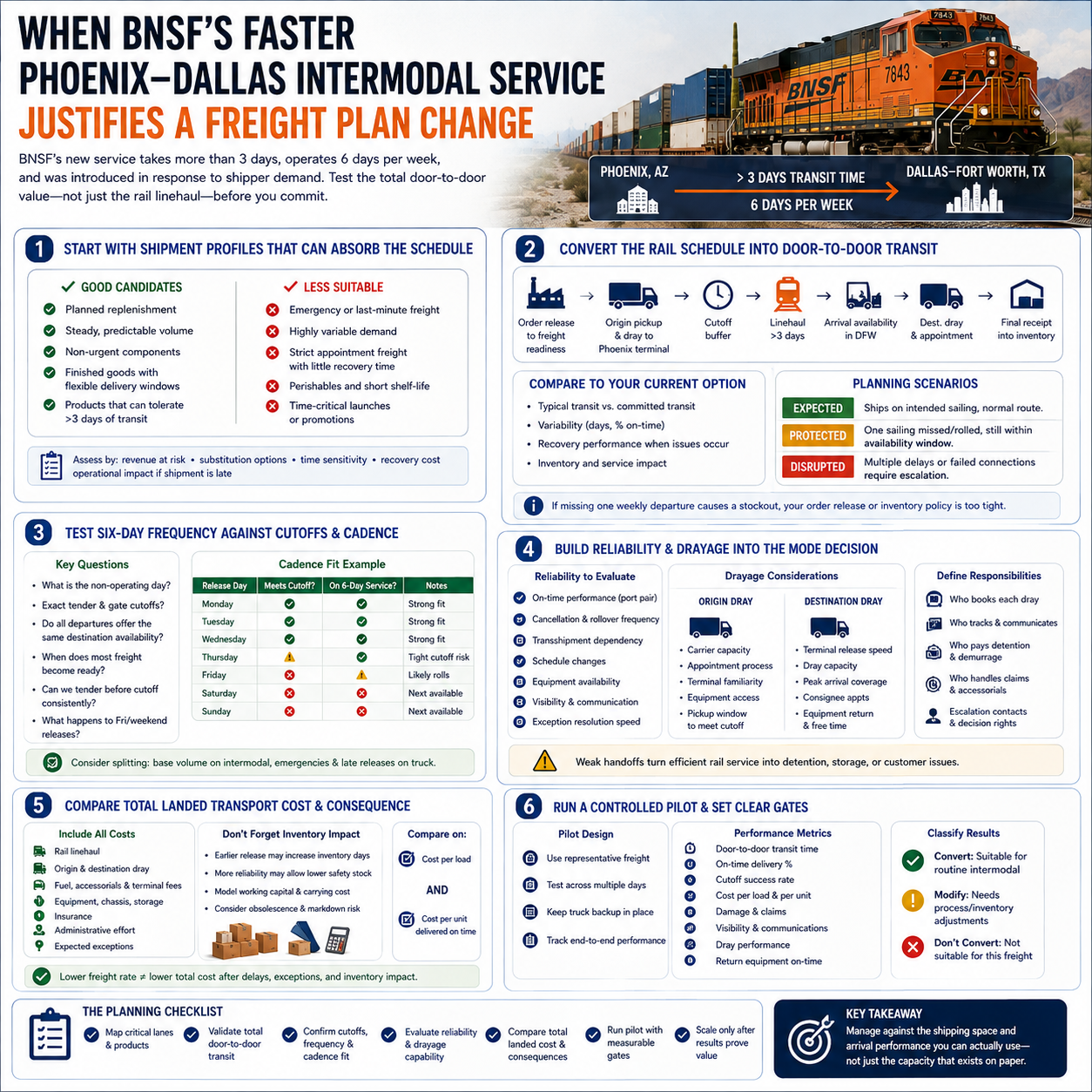
BNSF’s faster intermodal service between Phoenix and Dallas-Fort Worth gives Southwest shippers another reason to revisit freight that may currently move by truck or through a different rail plan. According to Supply Chain Dive, the Phoenix-to-Dallas-Fort Worth route takes more than three days, operates six days per week, and was introduced in response to shipper…
-
Blank Sailings Are Masking Ocean Capacity Growth: How Importers Should Adjust Planning
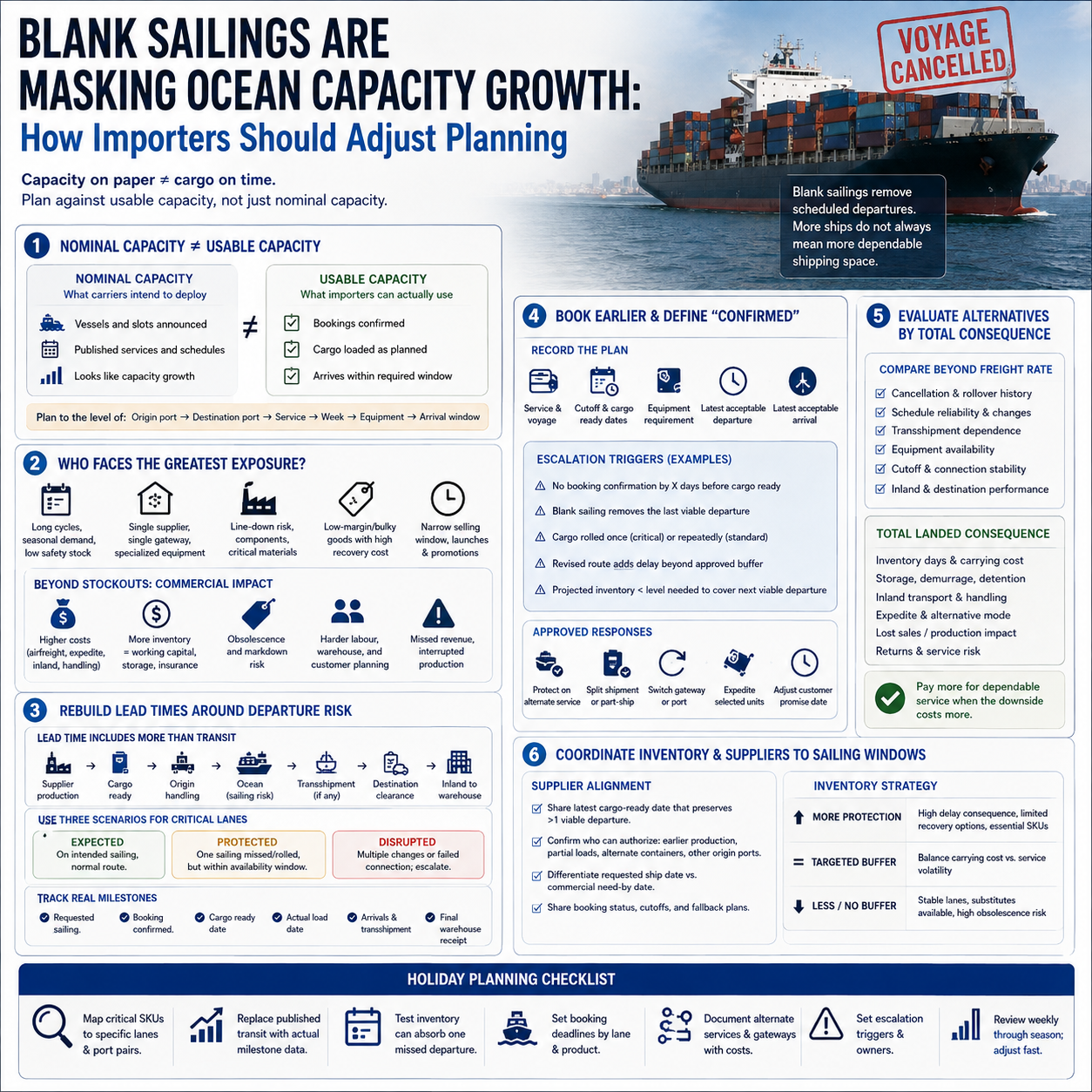
More ships or slots in the market do not automatically give importers more dependable shipping space. Carriers can add nominal capacity while simultaneously cancelling scheduled voyages—known as blank sailings—to manage supply, demand, and network performance. Supply Chain Dive reports that uneven capacity growth and blank sailings are contributing to longer lead times and reduced schedule…
-
2026 Holiday Ecommerce Planning: From Shopping Forecasts to Inventory, Marketing, and Margin Decisions
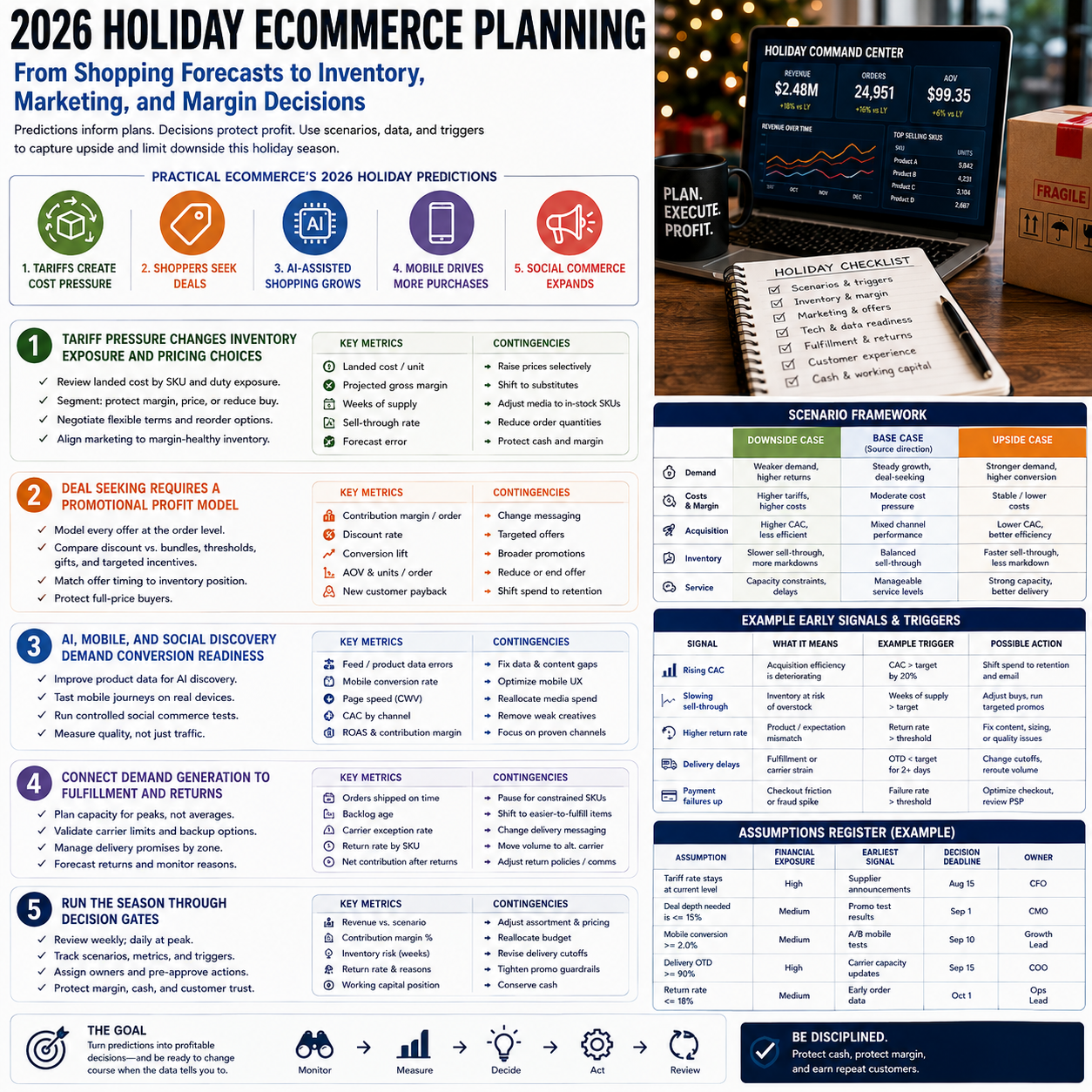
Holiday predictions become useful only when they change a decision. For ecommerce leaders, the practical question is not whether a forecast sounds plausible, but which operating assumption it challenges—and how to limit the downside if it proves wrong. Practical Ecommerce’s five predictions for 2026 holiday shopping provide planning inputs rather than guaranteed outcomes. Merchants should…
-
Entering Indonesia: A Practical Ecommerce Market-Entry Checklist for Foreign Brands
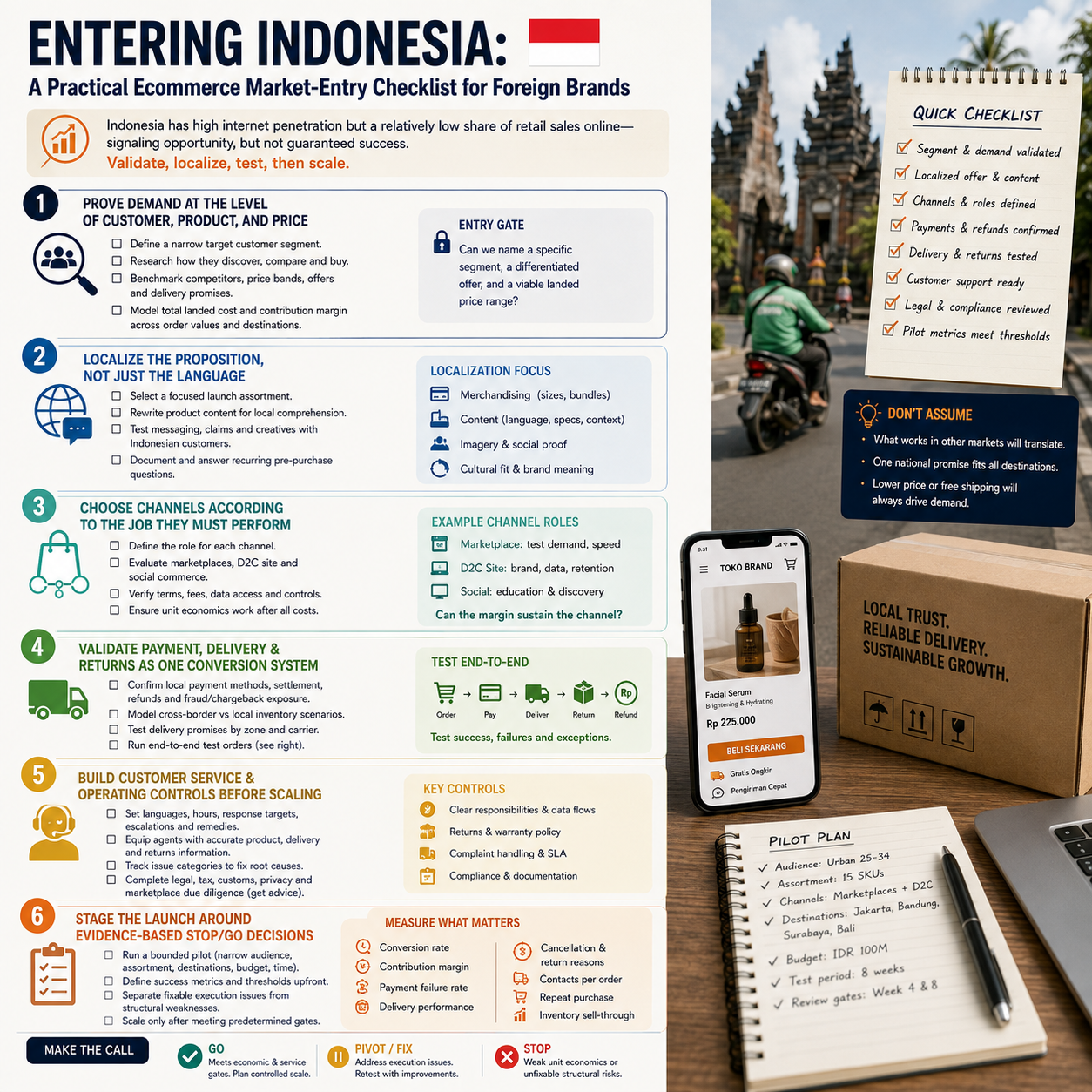
Indonesia presents foreign brands with an attractive but easily misread ecommerce opportunity. Practical Ecommerce highlights a gap between the country’s high internet penetration and the comparatively low share of retail sales conducted online. That gap can indicate room for growth, but it does not prove that a particular product, price point, or operating model will…
-
Should Your Marketing Team Adopt AI Video Creation Tools?
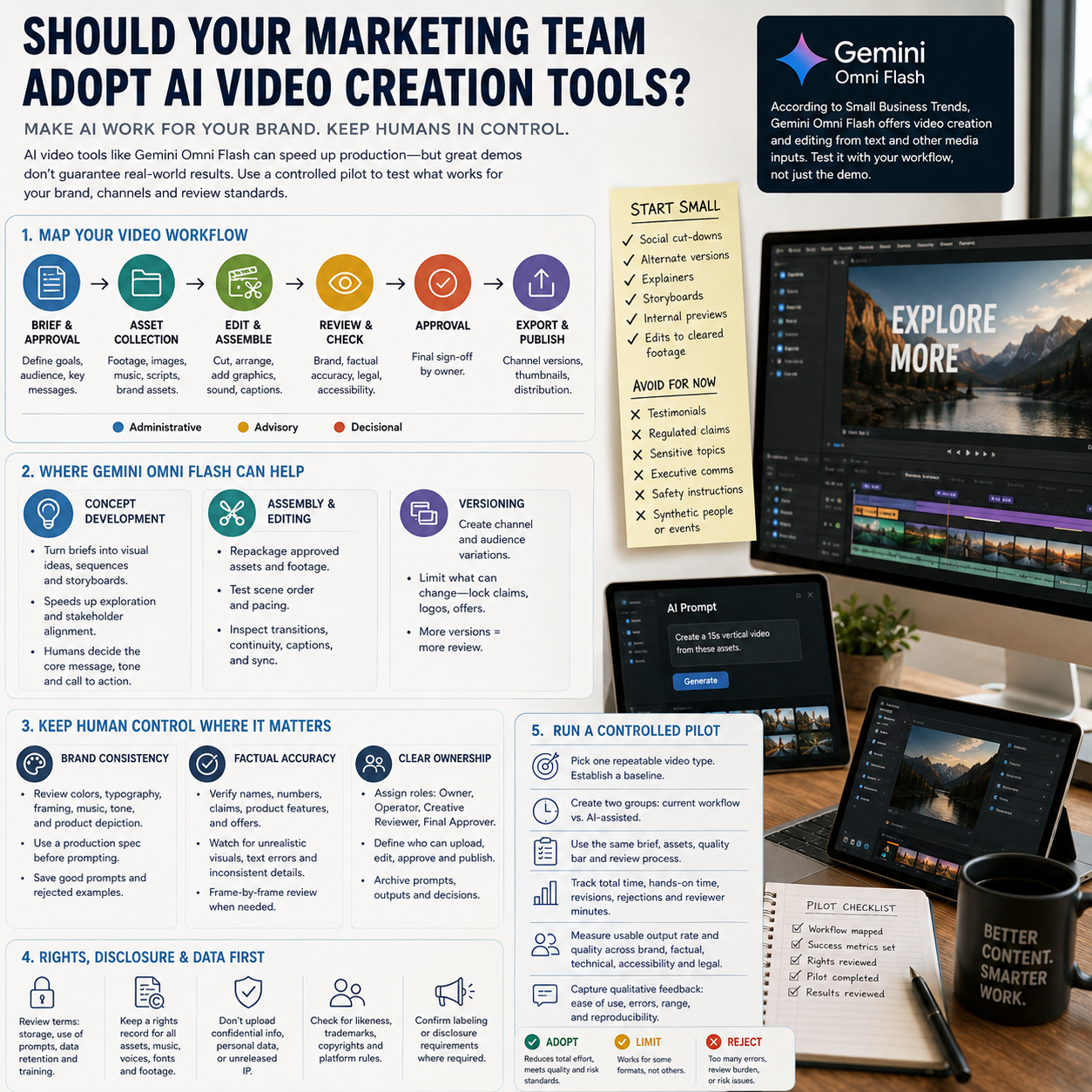
AI video creation can look like an easy productivity win for a small marketing team: produce more variations, edit assets faster, and reduce dependence on specialist software. But adoption should not be decided by the quality of a few impressive demonstrations. The practical question is whether a tool such as Gemini Omni Flash can create…
-
How Small Businesses Can Automate Hiring Without Losing Human Oversight
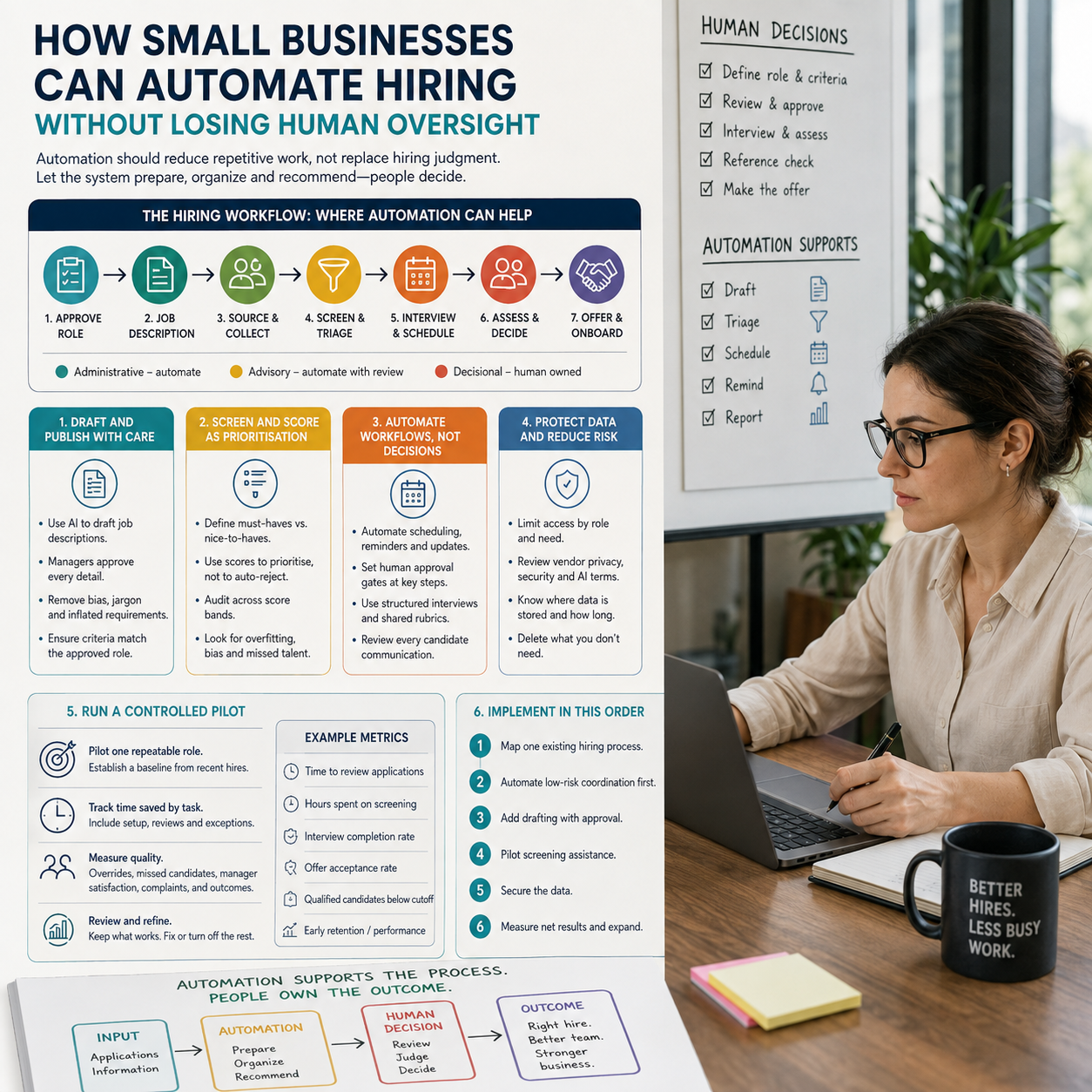
Hiring automation can help a small business process applications and coordinate interviews with less administrative effort. It can also amplify a vague job description, an unsuitable scoring rule, or an overlooked bias. The useful question is therefore not whether to automate recruitment, but where automation can reduce repetitive work without transferring consequential decisions to software.…
-
Buying Autonomous Sensors for Extreme Environments: A Due-Diligence Guide for Defence and Space Suppliers
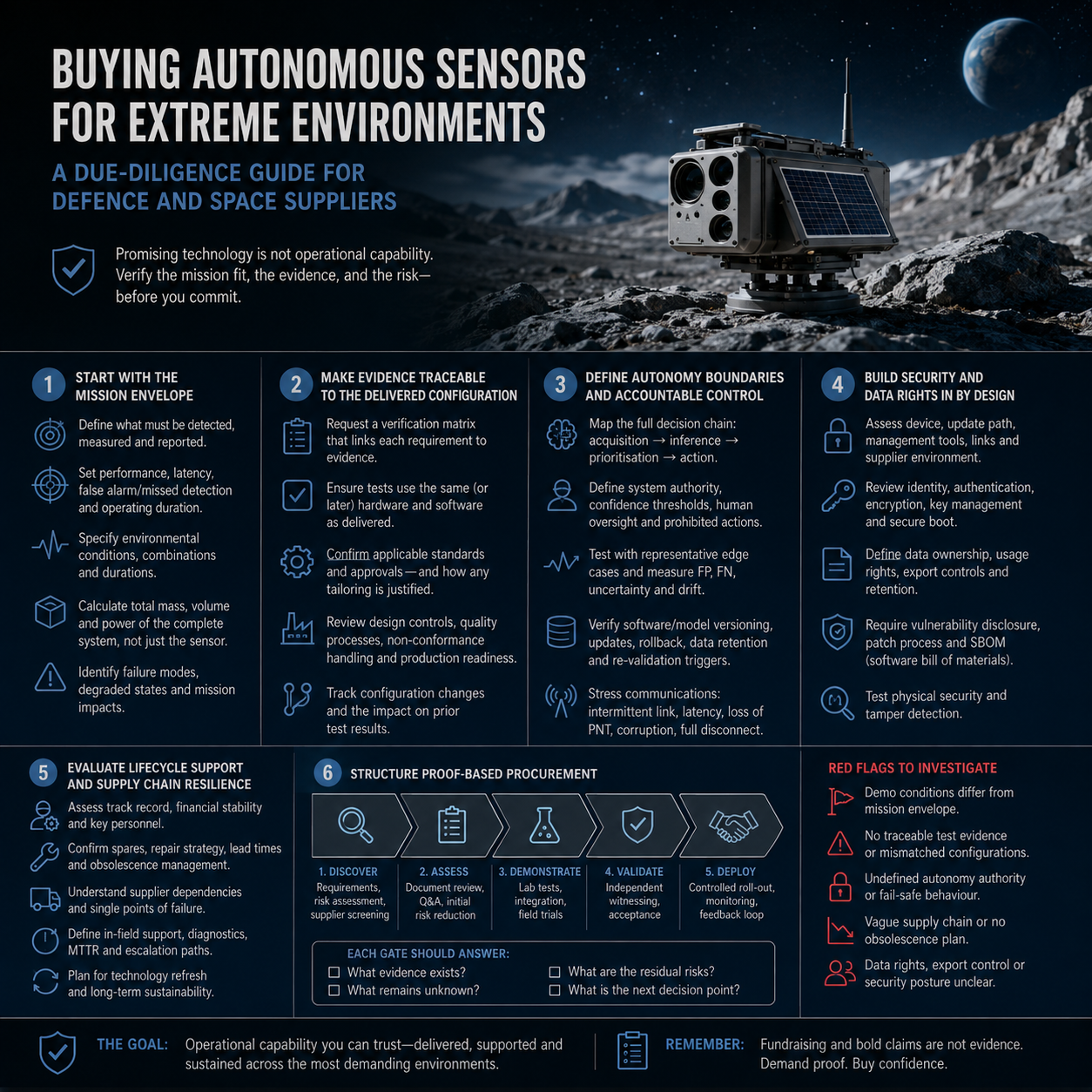
SpaceAM’s reported seed round provides a timely procurement lesson for aerospace, defence and dual-use operators. The UK company says it is developing ultra-lightweight, AI-powered autonomous sensing technology for difficult environments and intends to use the funding to scale. That proposition addresses an important mission need, but neither fundraising nor an attractive weight-and-autonomy concept establishes operational…
-
What Nvidia’s $1.5B Data-Center Investment Signals for Enterprise AI Infrastructure Buyers
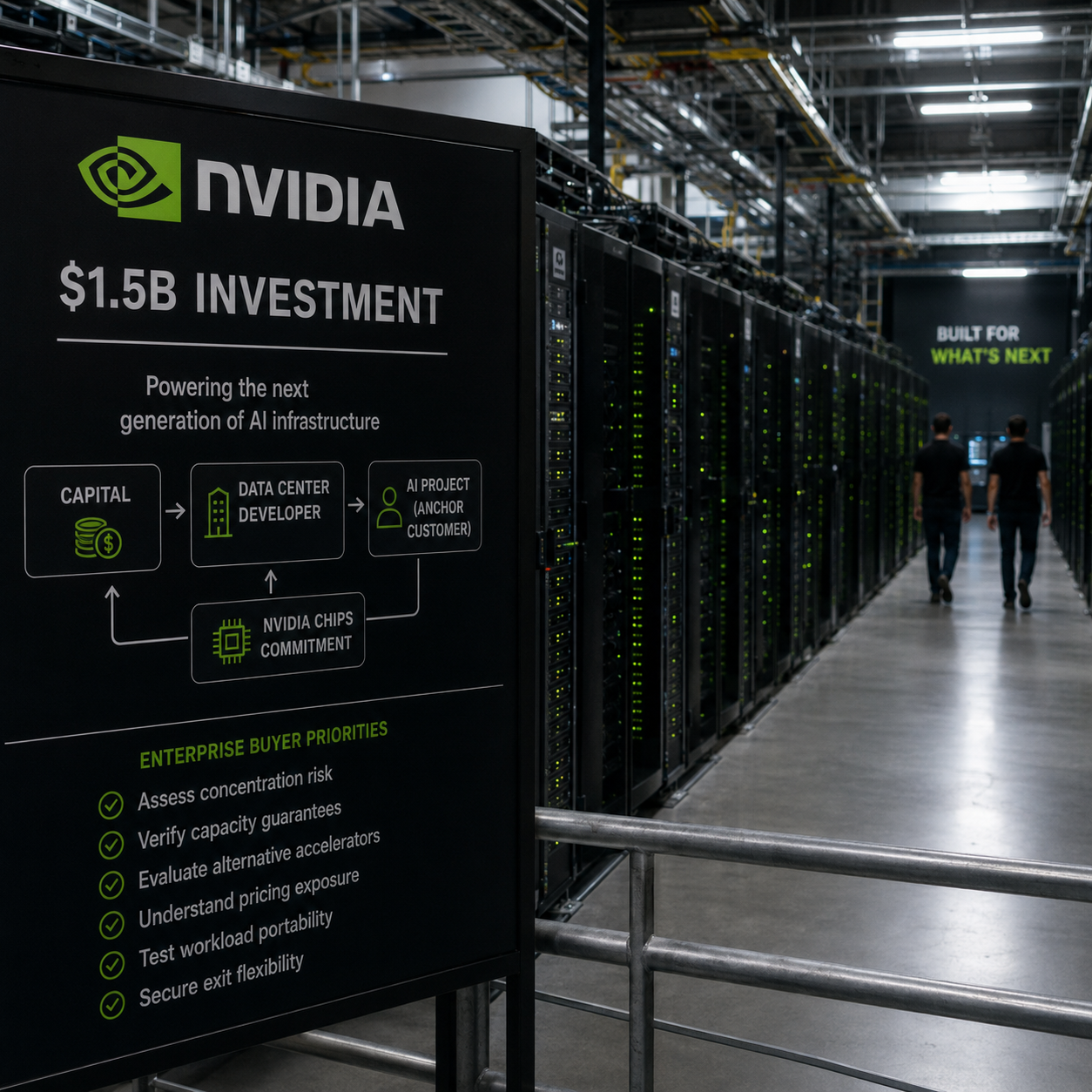
Nvidia’s reported $1.5 billion investment in a SoftBank data-center developer behind an OpenAI project is more than a financing story. According to TechCrunch, the investment is accompanied by a commitment to use Nvidia chips for the project. It therefore provides a concrete example of an AI-chip supplier helping finance downstream data-center capacity while reinforcing demand…