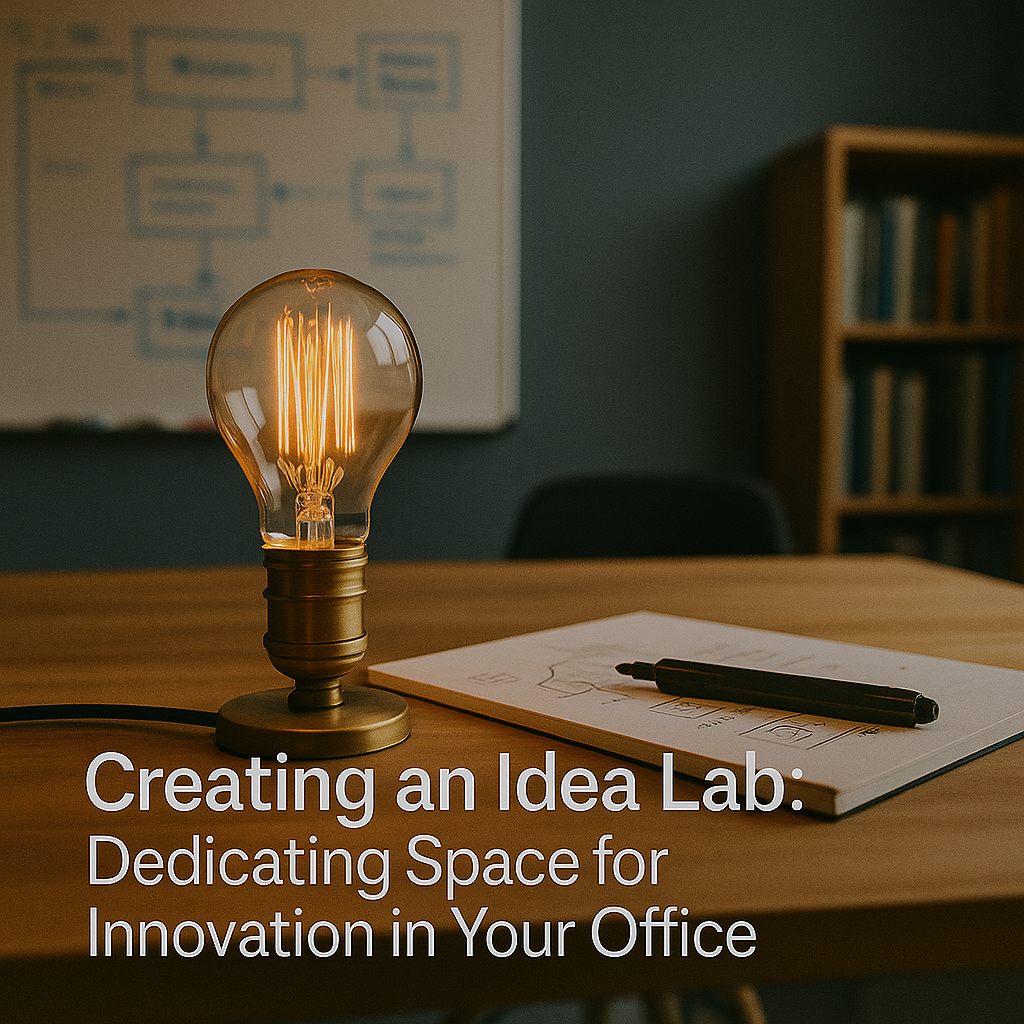
In today’s fast-paced business world, creativity is as critical as capital. Entrepreneurs and small business owners alike are discovering the power of a dedicated innovation space to spark breakthrough ideas, boost collaboration, and drive growth. By establishing a specialized idea lab in your office, you not only enhance your workspace but also create an environment where every team member is inspired to experiment, take risks, and contribute to your company’s success.
Transforming Your Workspace into a Creative Zone
Creating a dedicated idea lab might sound extravagant for a small business, but even a modest setup can yield impressive results. The aim is to cultivate an atmosphere that promotes free thinking and values every contribution. You don’t need a separate room to get started—a well-curated corner equipped with comfortable seating, whiteboards, and inspiring visuals can work wonders.
Simple changes in your office layout can signal a shift to a more innovative mindset. Replacing rigid desk formations with casual seating arrangements encourages team members to treat this space as a hub for experimentation and open dialogue. By providing this safe haven for creativity, you empower your team to step away from routine and tackle challenges with fresh, innovative ideas.
Remember, innovation isn’t bound by a schedule. A dedicated space continuously reinforces that creativity is a prized asset, and exploring unconventional solutions is not only supported but also celebrated by leadership. This is a space where questions are welcome and “out of the box” thinking is the norm.
Designing the Physical and Cultural Elements
An effective idea lab extends beyond its physical design—it embodies the cultural values of your business. Thoughtfully integrating art, playful elements, and surprising design features can stimulate creative thinking. Combining modern and eclectic furniture creates a relaxed yet inspiring atmosphere, while bright colors and local art infuse personality and set the space apart from traditional office areas. For more creative inspiration, consider principles from The Power of Storytelling in Marketing to craft a unique narrative around your innovation space.
Leadership plays a crucial role in setting the tone for your idea lab. Foster a culture of open conversation and diverse perspectives by organizing untimed brainstorming sessions and a weekly “innovation hour.” This approach sends a clear message: every idea, no matter how unconventional, is valuable.
Embrace flexible design elements such as movable whiteboards, modular seating, and digital collaboration tools. These features ensure the space remains versatile to meet the varied needs of your team. Create distinct zones—one for quiet reflection and individual research, and another for dynamic group discussions and brainstorming sessions—to cater to all types of creative work.
To further ignite creativity, tap into expert resources available online. Reputable sources like Forbes frequently explore how leading businesses are designing innovative work environments. These insights can help you refine your idea lab strategy and stay ahead in today’s competitive market.
Nurturing the Cycle of Innovation in Your Company
Establishing an idea lab is just the beginning—sustaining it over time is what differentiates successful innovators. Develop routines that encourage continuous engagement with the space. For example, create a feedback loop where employees can suggest improvements, helping you identify opportunities and emerging trends before they hit the mainstream.
Integrate the idea lab into your overall business strategy by encouraging digital documentation of experiments and ideas. This approach not only tracks the evolution of creative concepts but also builds a valuable repository for future brainstorming. Sharing updates via an internal newsletter or on platforms like Explore Innovative Business Strategies can inspire creative thinking across departments.
Mentorship is another key factor in nurturing innovation. Pairing team members with experienced mentors can provide guidance and boost confidence. Whether through one-on-one sessions or group mentoring, these interactions help refine ideas and overcome challenges more effectively. To further strengthen your network, explore The Power of Business Networking for strategies on building lasting professional connections.
Celebrating even the smallest successes is vital. Recognize innovative ideas—even if they don’t revolutionize the business right away—to boost morale and sustain momentum. Simple acknowledgements during meetings, shout-outs, or awards can significantly contribute to fostering a culture where creativity thrives.
Measuring Impact and Evolving the Idea Lab
One common challenge is determining if your investment in a creative space produces measurable results. While breakthrough innovations can be unpredictable, track engagement levels, idea generation, and the implementation of these innovations within your processes to evaluate success.
Regular surveys and informal interviews can gauge how comfortable employees are with sharing ideas and whether they see the idea lab as an asset. Over time, you might notice increased cross-departmental collaboration, enhanced problem-solving, and higher overall employee satisfaction.
Use feedback as a tool for continuous improvement. As your business evolves, so should your idea lab. Begin with a small office nook if needed, and expand gradually into a larger innovation hub as your team’s needs grow. A flexible mindset will help you adapt and refine the concept of your idea lab.
Incorporating technology can further amplify the benefits of your idea lab. Digital platforms for collaboration, brainstorming, and project management ensure that no brilliant idea slips through the cracks. Innovation management software can provide analytics to highlight which ideas are gaining traction and where to allocate additional resources.
Building an idea lab is not just about creating a dedicated space—it’s about fostering a culture that celebrates creativity and risk-taking. By investing in an innovation-friendly workspace, your business can achieve continuous growth, improved employee engagement, and a dynamic approach to overcoming challenges.
Whether you are an entrepreneur or a small business owner, investing in an idea lab is a strategic move that fuels collaboration and stimulates fresh ideas. Embrace experimentation, allow innovative ideas to flourish, and regularly assess the impact on your company’s culture and profitability.
- Transform existing office space into a designated zone for brainstorming and open dialogue.
- Adopt flexible designs and digital tools to support both individual and group creativity.
- Engage in continuous feedback and mentorship programs to foster an innovation-centric culture.
- Measure success by tracking team engagement, idea generation, and successful implementation.