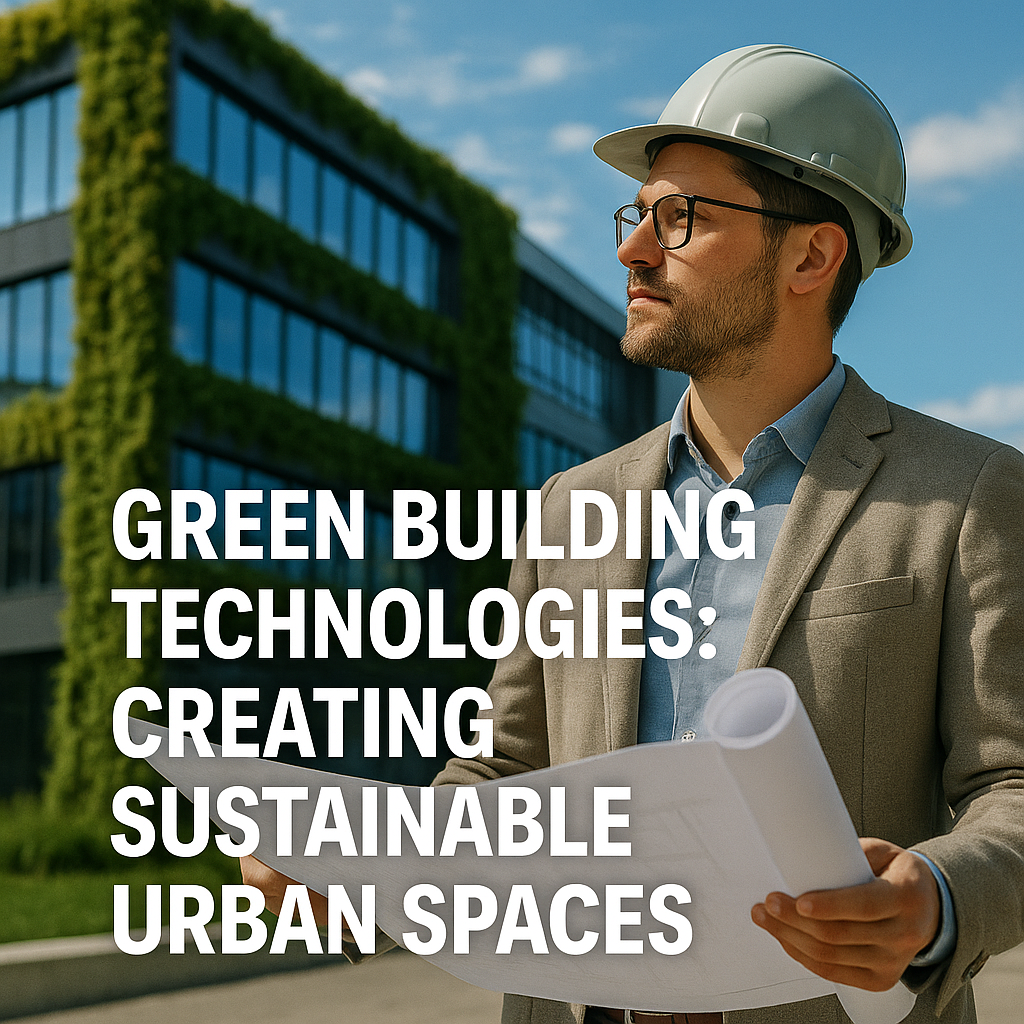
Urban environments today are rapidly transforming into energy-efficient, environmentally friendly spaces. As awareness of sustainability grows, green building technologies have become essential in reshaping cities to not only look attractive but also minimize environmental impact. For entrepreneurs and small business owners, embracing these innovations presents opportunities for growth, innovation, and responsible development.
Embracing Energy-Efficient Construction
Green building is founded on the principle of using natural resources intelligently while lowering energy consumption. This approach drives the adoption of energy-efficient materials, renewable energy sources, and intelligent architectural designs that reduce power usage. Techniques such as passive solar design, high-performance insulation, and natural ventilation systems have enabled urban projects to achieve remarkable energy savings.
Many cities are already encouraging sustainable construction by offering tax credits, reduced permit fees, and other financial incentives. These initiatives boost local economies and encourage further innovation in green technologies. Beyond cost savings, sustainable construction reduces reliance on nonrenewable resources and builds urban resilience against environmental challenges.
For small business owners planning new construction or retrofitting existing properties, these factors are crucial. The long-term operational savings can yield significant returns, as outlined in How to Run a Profitable Business Without a Large Budget, while positioning brands as leaders in eco-friendly practices in a marketplace that increasingly values sustainability.
Innovative Materials and Technologies Shaping Urban Spaces
Advancements in smart materials and technologies are setting a new benchmark in urban design by combining functionality with sustainability. Modern green building solutions include self-healing, recyclable materials derived from sustainable sources. For instance, innovative concrete mixes that capture carbon dioxide and advanced glazing systems that optimize natural light without compromising thermal efficiency are becoming standard in forward-thinking projects.
Digital tools such as Building Information Modeling (BIM) empower architects and engineers to design buildings with superior precision. By simulating factors like local weather patterns and sunlight exposure, designers can create layouts that naturally regulate temperature, thereby reducing energy demand.
For further insights into technology trends, check out articles on Forbes that delve into how sustainable construction innovations are reshaping the industry.
Economic and Social Benefits of Green Urban Development
The advantages of green building go well beyond environmental benefits. Sustainable construction projects attract quality tenants, boost property values, and elevate the overall status of neighborhoods. Entrepreneurs benefit from lower energy bills, higher rental yields, and enhanced property sales, all while contributing to a greener urban landscape.
Sustainable urban spaces also promote healthier living. Buildings designed with ample natural light, superior air quality, and reduced noise pollution enhance occupants’ physical and mental well-being. Integrating green spaces, such as rooftop gardens and urban farms, fosters community engagement and transforms buildings into vibrant, living ecosystems.
For small business owners and entrepreneurs, adopting sustainable practices not only benefits the environment but also creates a dynamic foundation for innovative partnerships and long-term growth. Explore transformative urban strategies to discover how green technologies can enhance brand reputation and open new financing opportunities focused on sustainability.
Integrating Advanced Energy Systems
The evolution of building operations now includes smart energy systems that integrate renewable sources such as solar panels, wind turbines, and geothermal heating and cooling. For entrepreneurs, these advanced integrations are the key to enhancing operational efficiency while working towards carbon neutrality.
Many cutting-edge buildings now use data analytics and Internet of Things (IoT) devices to monitor energy use in real time. This smart technology assists in optimizing energy patterns, predicting maintenance needs, and adjusting systems during peak demand. Forward-thinking business owners recognize that these systems reduce costs and support governmental sustainability initiatives.
Investing in advanced energy systems not only demonstrates a commitment to environmental stewardship, but also strengthens public relations. Sharing performance metrics and success stories can inspire local developers and amplify the collective impact of green urban development.
Opportunities for Future Innovation
The rapid advancement of green building technologies signals a bright future for urban development. Entrepreneurs have a unique chance to drive innovation through research and development, partnerships with tech startups, and community-led sustainability projects. Innovative financing options, like pre-sales funding strategies, can further catalyze these initiatives.
Emerging trends in artificial intelligence (AI) and machine learning are set to further enhance building performance. AI-driven systems can analyze vast datasets to forecast energy needs, adjust climate control, and even predict structural performance over time, setting a new standard for urban efficiency.
Investing in these innovative solutions can spur local economic growth and establish urban centers as hubs of technological progress and sustainable development. As cities embrace green building technologies, the synergy between economic opportunity, technological innovation, and environmental responsibility becomes ever more apparent.
For small business owners navigating these shifts, staying informed about regulatory updates, grants, and industry best practices is essential. As sustainable urban development continues to evolve, leveraging resources like our expert insights offers a competitive edge in this dynamic marketplace.
The integration of energy-efficient processes and smart design is more than a passing trend—it is a vital step toward responsible urban development. Businesses that prioritize sustainable innovations not only reduce operational costs but also contribute to a healthier, greener future for all.
- Green building technologies lower energy consumption and minimize environmental impact.
- Smart materials and digital design tools are revolutionizing construction practices.
- Renewable energy systems boost operational efficiency and enhance public image.
- Investing in sustainable practices drives both economic growth and innovation.


