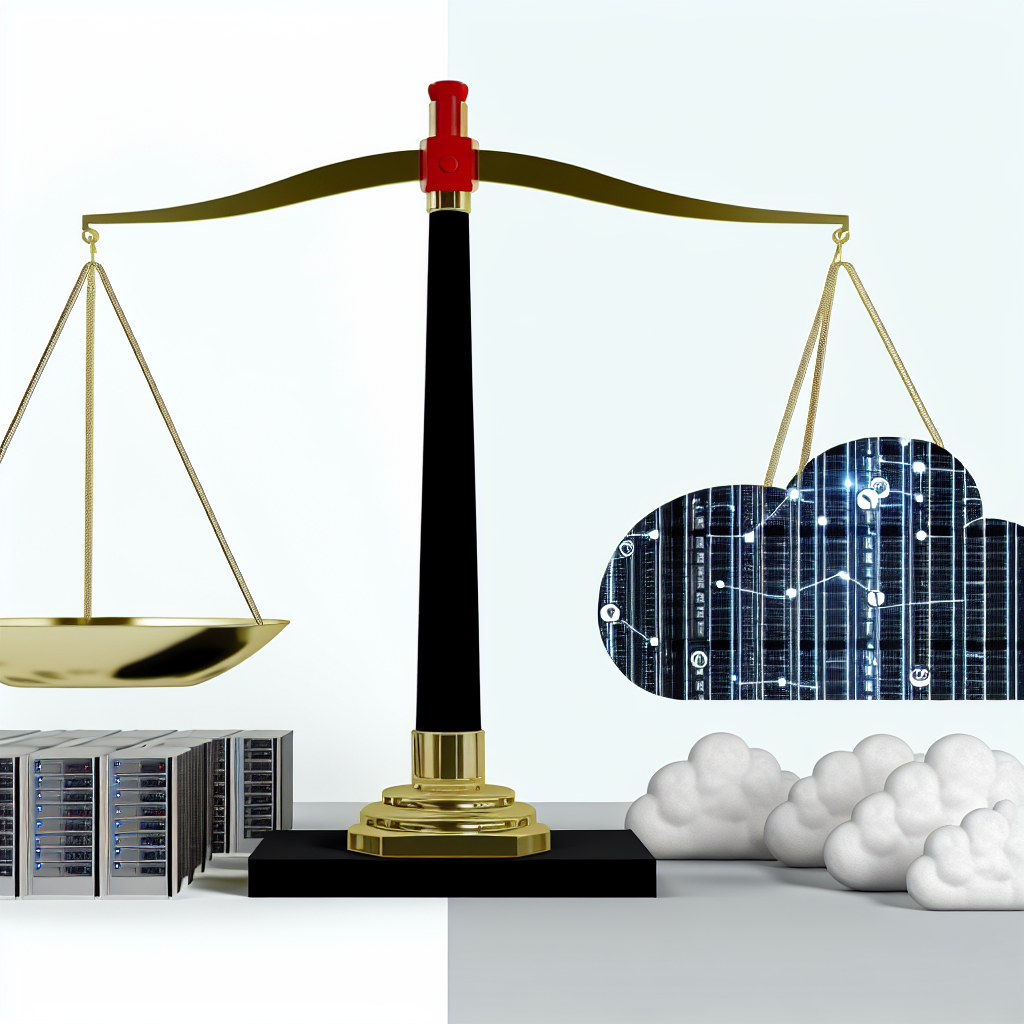
Choosing between on-premise and cloud-based ERP systems is a vital decision for entrepreneurs and small business owners aiming to streamline operations and stay competitive. With technology evolving rapidly, selecting the right ERP solution can be challenging. This guide offers data-driven insights, real-world examples, and practical tips to help you evaluate each option and tailor a strategy that meets your organization’s unique needs.
Understanding ERP Deployment Models
Enterprise Resource Planning (ERP) systems are essential for modern businesses, providing integrated management of core processes such as finance, supply chain, accounting, and human resources. When evaluating on-premise vs. cloud ERP systems, it’s important to understand the fundamental differences between the two deployment models.
On-premise ERP solutions are installed on your company’s own servers and hardware. This model offers complete control over security, data storage, and system customization, making it attractive for industries with strict compliance or security requirements. On the downside, on-premise solutions typically involve higher upfront costs, ongoing maintenance, and the need for dedicated IT staff.
Cloud-based ERP systems, on the other hand, store data on remote servers accessible via the internet. Known for their scalability, cost-effectiveness, and ease of implementation, these systems usually work on a subscription basis, which simplifies budgeting. Cloud ERP providers also invest significantly in advanced security measures and compliance, enabling even small businesses to benefit from robust, state-of-the-art systems without heavy IT investments.
Evaluating Pros and Cons for Your Business
Making an informed decision involves a deep dive into on-premise vs. cloud ERP comparison strategies. Below is a breakdown of the advantages and challenges associated with each model:
On-Premise ERP Solutions
Advantages:
- Complete Control: Manage security protocols, data storage, and system customization directly, which is crucial for businesses handling sensitive information or facing strict regulatory standards.
- High Customization: Tailor the ERP system to meet complex workflows or industry-specific requirements with deep customization options.
- Predictable Costs: After the initial investment, operating costs tend to be more predictable, avoiding the variability of recurring subscription fees.
Challenges:
- High Initial Investment: Upfront costs for hardware, software licenses, and system integration can be considerable, posing challenges for startups and small businesses.
- Resource Intensive: Requires a dedicated IT team to manage maintenance, upgrades, and troubleshooting.
- Scalability Limitations: Expansion often demands significant additional investment in hardware and software upgrades, potentially hindering growth.
Cloud-Based ERP Systems
Advantages:
- Lower Initial Costs: Subscription-based pricing eliminates the need for large upfront capital, making cloud ERP systems accessible to businesses with limited budgets.
- Flexibility and Scalability: Easily adapts to dynamic workloads and growing user bases, with automatic upgrades that reduce the burden on IT resources.
- Remote Accessibility: Access your ERP system from anywhere, supporting flexible work arrangements and enhancing productivity.
Challenges:
- Internet Dependency: A stable internet connection is essential, and any downtime can disrupt access to your data and applications.
- Ongoing Costs: While subscription fees are manageable initially, they can add up over time, so it’s important to assess long-term financial impacts.
- Limited Customization: Cloud systems may offer fewer customization options compared to on-premise solutions, especially for niche or highly specialized requirements.
Strategies to Evaluate Both ERP Options
When determining how to evaluate on-premise and cloud ERP solutions, consider several key factors aligned with your business strategy and operational priorities. Whether you prioritize control and customization or scalability and cost benefits, a systematic evaluation can guide you toward the best option. Key areas to assess include:
1. Total Cost of Ownership
Analyze not just the initial setup fees but also ongoing expenses. For on-premise systems, include hardware, maintenance, and staffing costs. For cloud ERP solutions, review subscription fees over the system’s projected lifespan. A detailed cost analysis might reveal that lower upfront costs in cloud ERP can, over time, match or exceed the expenditures of an on-premise system. Referencing detailed industry cost analyses from sources like Forbes can provide additional insights.
2. Business Needs and Flexibility
Consider your business requirements carefully. If data sovereignty, extensive customization, or strict regulatory compliance are critical, an on-premise solution might be ideal. Conversely, if your business is focused on rapid growth and flexible remote access, cloud-based ERP systems are better equipped to meet those needs. You may also explore our insights on Business Needs for ERP for more detailed guidance on aligning technology with business strategy.
3. Security and Compliance
Security remains a critical consideration for both ERP models. On-premise systems offer direct control over cybersecurity measures but require significant investments in internal security protocols. Cloud ERP providers typically deliver advanced security features and compliance certifications that can exceed the capabilities of smaller in-house teams. Compare these security measures with your industry’s regulatory requirements to make an informed decision.
4. Integration with Existing Systems
ERP systems rarely function in isolation; they need to integrate seamlessly with existing software, such as CRMs, accounting tools, or supply chain management systems. Assess each ERP option’s integration capabilities, including API and user interface compatibility. A system that integrates well with your current tech stack can significantly enhance operational efficiency.
Making an Informed, Business-Centric Decision
By understanding the strengths and limitations of both on-premise and cloud ERP systems, you can align your technology investment with your strategic business goals. The choice extends beyond technology—it’s about selecting a solution that supports your business strategy, operational needs, and long-term growth plans.
Many successful businesses start by addressing immediate operational challenges and then progressively refine their long-term strategy. For instance, if your business is set for rapid expansion, the remote accessibility and scalability of a cloud-based ERP may be the best option. Alternatively, industries requiring high levels of customization and stringent security, such as healthcare or finance, might benefit more from an on-premise solution.
Consulting with trusted ERP experts can provide valuable insights tailored to your specific needs. Consider arranging a consultation with professionals from reputable platforms like ERP Solutions for Businesses, who can help ensure your chosen ERP system aligns with your operational and strategic goals.
Remember, your ERP system is a dynamic tool that should evolve alongside your business. Regularly re-evaluating your ERP strategy ensures you remain agile and responsive to market changes, avoiding common pitfalls and maximizing your investment. Ultimately, whether you choose the predictability of an on-premise solution or the flexibility of a cloud-based system, the goal is to enhance efficiency and drive sustainable business growth.
By following a thorough evaluation framework, you can confidently select the ERP solution that best fits your operational needs and future ambitions.
- Conduct a detailed analysis of the total cost of ownership, including both setup and ongoing expenses.
- Assess your business needs, focusing on scalability, flexibility, and industry-specific requirements.
- Prioritize security, compliance, and integration capabilities to support your operations.
- Regularly review and update your ERP strategy to adapt to evolving market challenges.