Entrepreneurs and small business owners are constantly seeking innovative ways to boost profitability and streamline operations. One key area with untapped potential is the supply chain. By adopting a holistic approach to managing your supply chain, you not only cut costs but also enhance service delivery, accelerate time-to-market, and gain a competitive edge. This article explains how advanced supply chain optimization strategies for cost reduction can create agile operations and deliver significant cost savings through improved efficiency.
Exploring the Role of Supply Chain Optimization
Supply chain optimization involves enhancing every aspect of your operations—from procurement and production to delivery. Even if you’re new to the concept, understanding its core components can help you realize how optimizing your supply chain drives down operational expenses. This approach isn’t about cutting corners but rather recalibrating each process to ensure every link in the chain operates at peak efficiency.
For small business owners, this might mean adjusting inventory levels to reduce waste or proactively managing supplier relationships to secure better prices and higher-quality goods. Rather than viewing issues as isolated incidents, the goal is to create a resilient system that can absorb shocks and adapt quickly to change. By closely examining your workflow and supply chain structure, you can identify areas where efficiency improvements lead to comprehensive cost reduction.
Driving Efficiency with Data and Technology
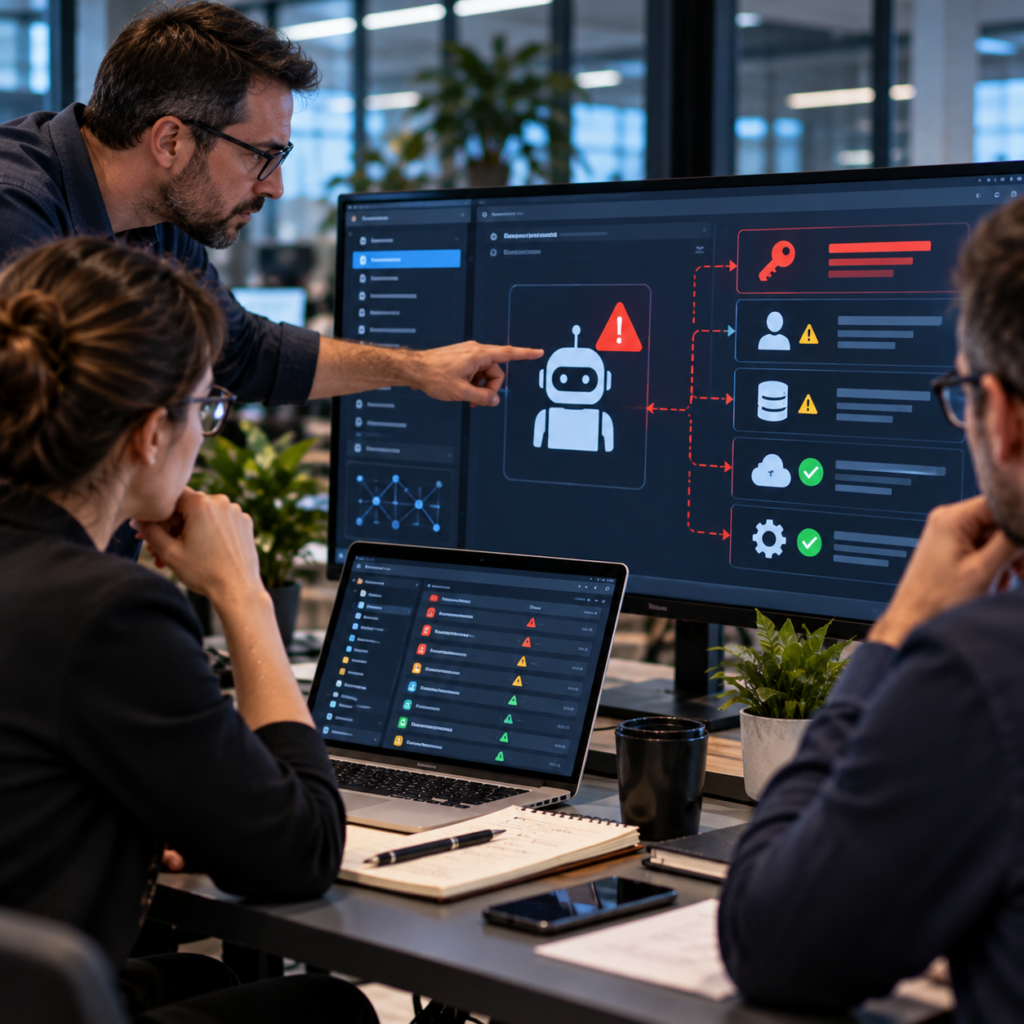
Modern supply chain enhancements are powered by technology. Digital transformation enables entrepreneurs to leverage data analytics and real-time monitoring tools for more accurate demand forecasting and optimized inventory management.
Advanced supply chain optimization strategies for cost reduction incorporate algorithms and artificial intelligence to identify and address bottlenecks before they escalate into expensive problems. For example, machine learning models can predict demand fluctuations, allowing businesses to adjust ordering schedules and minimize storage and waste costs. Embracing these technologies streamlines operations and significantly reduces operational expenses.
Implementing modern software solutions in your supply chain management system maximizes operational capacity. Numerous industry leaders, including those featured on Forbes, stress that data-driven decision making is the cornerstone of sustainable growth.
Optimizing Supplier Relationships and Inventory Management
Effective supplier relationships form the foundation for success. By building strong partnerships with key suppliers, you can negotiate better terms, enhance product quality, and ultimately reduce overhead costs. A well-oiled supply chain drives practical, cost-effective solutions that benefit your entire operation.
From an inventory perspective, optimizing supply chain management is crucial for reducing operational costs. Excess inventory can tie up capital, while insufficient stock can lead to lost sales. Balancing these extremes requires strategic planning and accurate forecasting. Leveraging advanced analytics and integrating data from across the supply chain enables businesses to create inventory optimization models that prevent overstocking or understocking.
Small business owners can also gain valuable insights from online resources that detail how others manage their supplier networks effectively. Exploring articles and case studies on platforms like MakeBusiness can provide real-world examples of inventory management improvements that result in lower costs.
Realizing Comprehensive Cost Reduction through Supply Chain Efficiency Improvements
Investing in comprehensive cost reduction through supply chain efficiency improvements is more than just a short-term expense-cutting measure—it sets the stage for long-term success. This process involves continuous monitoring, adjustment, and responsiveness to both internal performance metrics and external market dynamics.
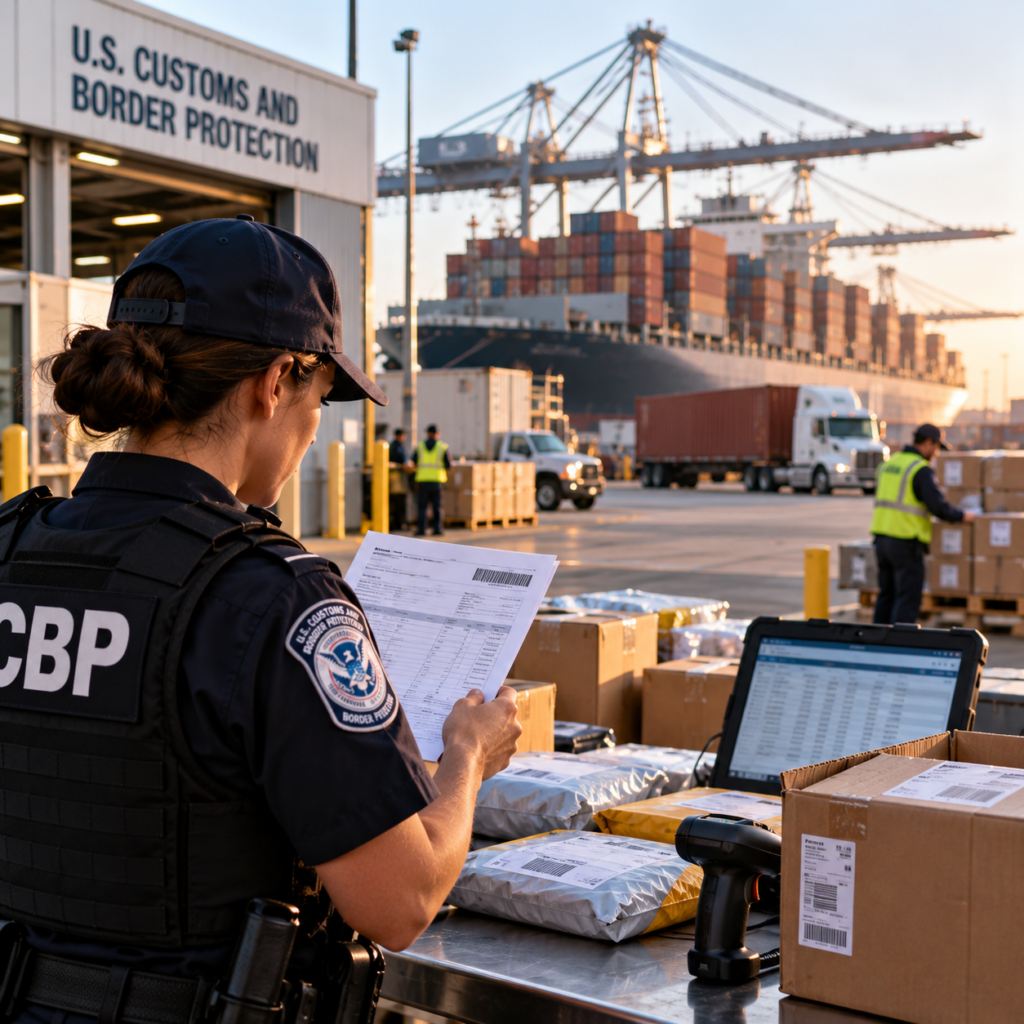
A holistic approach to supply chain management creates ripple effects across other business functions. For example, enhancing shipping logistics not only cuts transportation costs but also boosts customer satisfaction by ensuring faster delivery times. Whether you work with local suppliers or operate on a global scale, improved efficiency can lower risk exposure and protect your business from market volatility.
Moreover, an optimized supply chain frees up capital that can be reinvested in growth areas such as marketing and product development. As your business streamlines its operations, it builds resilience to navigate economic uncertainties—a critical advantage for emerging small enterprises.
Innovation and Flexibility: Keys to Long-Term Savings
Staying competitive today demands continuous innovation and flexibility. Traditional supply chain models may no longer suffice in an era of rapid technological evolution and shifting consumer behaviors. This is where advanced supply chain optimization strategies for cost reduction become indispensable.
By regularly incorporating improvements and experimenting with new approaches, your business can adapt to changing demands without incurring significant cost increases. Flexibility means being able to pivot quickly—whether it’s switching suppliers, adopting new transport methods, or leveraging emerging digital insights to reduce downtime.
For small business owners, this dynamic approach ensures you are not confined to a rigid system. Instead, you benefit from a modular framework capable of adjusting to seasonal variations, market trends, or even disruptive events. Flexibility in supply chain management can be the determining factor between a thriving business and one that struggles to remain competitive.
In summary, sophisticated supply chain practices backed by modern technology, innovative thinking, and strong supplier relationships empower businesses to be both agile and cost-efficient. This approach helps mitigate risk and is especially critical for companies with limited resources. In today’s economy, every euro saved is a euro that can be reinvested in growth. Implementing comprehensive improvements in your supply chain is a strategic imperative.
Embracing enhanced supply chain processes also lays the groundwork for better strategic planning. Data analytics provide insights that forecast future trends, allowing you to adjust operations proactively. This proactive stance not only addresses issues before they escalate but also fosters a culture of continuous improvement.
The journey toward more efficient operations is gradual and systematic. It may start with small steps, such as renegotiating contracts or adopting new technology, but the cumulative effect of these changes can significantly bolster your financial performance and overall productivity. Recognizing your supply chain as a strategic asset rather than a series of logistical tasks is a vital step toward building a resilient business capable of weathering economic challenges.
Ultimately, the pursuit of efficiency is a long-term investment in your business’s health and vitality. Whether you are a start-up or a growing small enterprise, every enhancement in your supply chain brings you closer to a more sustainable and successful operation. Implementing these practices now will help build a robust enterprise ready to face the challenges of the future.
- Modern supply chain optimization leverages technological innovation, data analytics, and strategic planning.
- Effective supplier relationships and inventory management drive improved operational performance.
- Investing in efficiency improvements leads to long-term cost savings and increased business resilience.
- Flexibility and continuous innovation are essential for adapting to changing market dynamics.