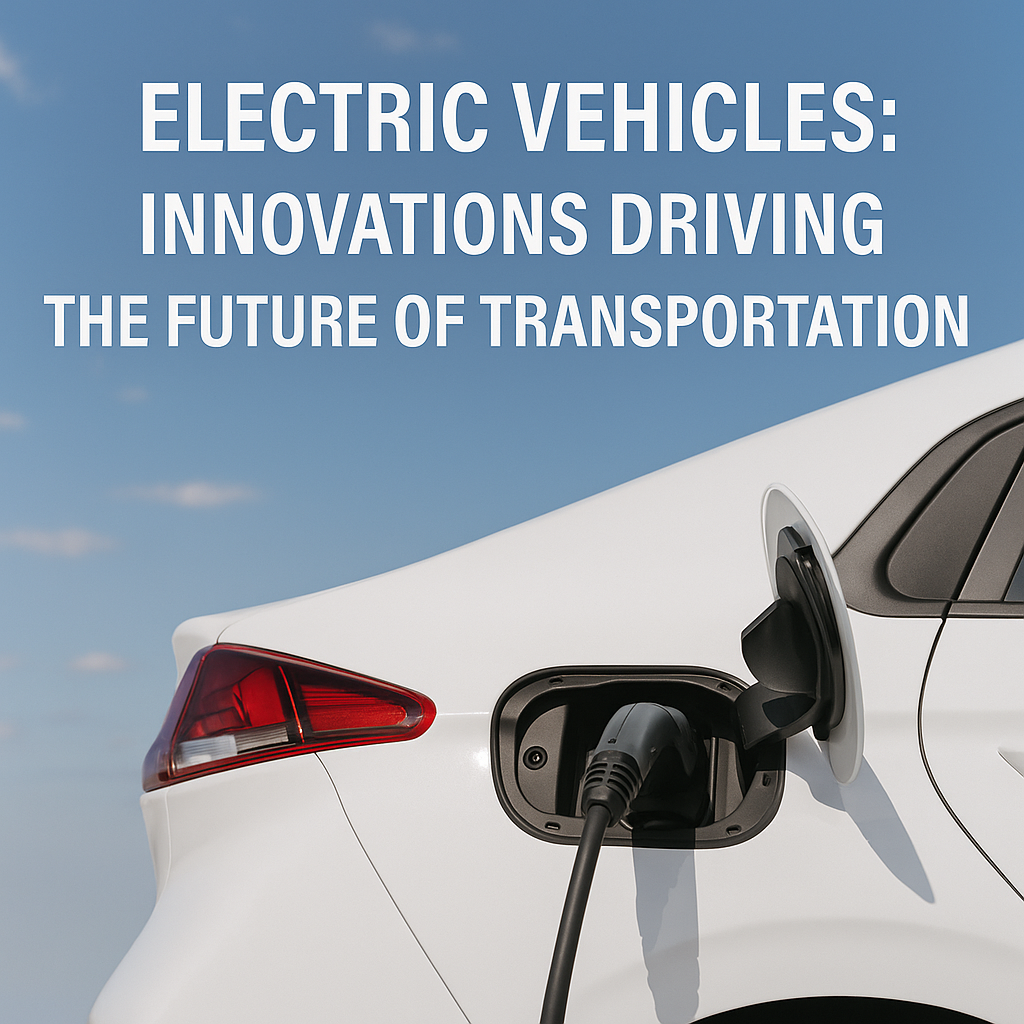
The transportation industry is experiencing a revolutionary shift. With breakthrough electric vehicle technology trends and strategic investments in electrification, there has never been a more exciting time for entrepreneurs and small business owners to explore sustainable opportunities. Embracing this change not only contributes to a greener future but also opens new avenues for economic growth and innovation.
Emerging Opportunities in Electrified Transportation
Rapid advancements in electric vehicle (EV) technology are transforming the market. Governments and private companies are investing heavily in infrastructure and research, driving forward sustainable electric mobility innovations. From integrating efficient battery systems to enhancing autonomous driving features, the shift toward clean energy is creating a dynamic and agile business environment.
These innovations extend far beyond personal and commercial transportation. Leaders in the field are addressing challenges in energy management, urban planning, and connectivity. Electrified fleets in delivery services, ride-sharing, and public transit offer entrepreneurs multiple opportunities to optimize operations, reduce costs, and lower emissions while delivering superior customer experiences.
Small business owners can harness these advancements by collaborating with pioneers in electrification. Whether managing local transport services or logistic operations, aligning with advanced electrified transportation solutions can distinguish your brand and establish your commitment to sustainability.
How Technological Advancements Are Fueling Growth
The surge in electric vehicle innovation is powered by cutting-edge technological advancements. At the forefront is battery technology. Today’s batteries offer enhanced durability and higher energy densities, enabling longer journeys on a single charge. Ongoing research is focused on optimizing battery performance, thereby reinforcing the foundation for future sustainable electric mobility innovations.
Digital technologies such as artificial intelligence, the Internet of Things (IoT), and machine learning are also transforming the EV landscape. These advancements improve predictive maintenance, optimize routing, and provide detailed energy consumption analytics. For small business owners, integrating these tools translates into improved efficiency and competitive advantages previously reserved for larger enterprises.
The expansion of charging infrastructure further accelerates this growth. With a growing number of charging stations available in urban centers and along highways, electric vehicle recharging is becoming faster and more accessible. This improvement enhances the viability of advanced electrified transportation solutions, positioning them as a strong alternative to conventional vehicles.
Recent reports, including a Forbes article highlighting strategic investments in electrified transportation, confirm that these technological breakthroughs are boosting consumer confidence in EVs. These trends not only emphasize sustainability but also support robust business models centered on green energy solutions.
Financing and Policy Support for the Electric Revolution
Strong financial backing and supportive policies are fueling the electric vehicle movement. Recognizing the benefits of reduced environmental impact and increased technological innovation, governments worldwide are offering tax incentives, grants, and subsidies to accelerate EV adoption across both private and commercial sectors. This policy support is crucial for startups and small businesses overcoming the challenges of initial capital investments.
Entrepreneurs have a unique opportunity to explore new business models by investing in EV-related technologies. For example, installing EV charging stations or converting logistics fleets to electric can provide significant cost savings and enhance a company’s sustainable market reputation over time.
Additionally, banks and venture capitalists are increasingly supporting ventures centered on EV technology. These funding streams not only promote further research into innovative electric vehicle technology trends but also help early adopters secure a competitive edge in a rapidly evolving marketplace.
Driving Business Transformation Through Electrification
Today’s small business owners must recognize the dual advantages of electrified transportation: environmental responsibility and economic opportunity. By integrating sustainable practices into their operations, companies can tap into growing markets, build strong reputations as influencers of green business, and reduce long-term operating costs.
Consider the logistics and delivery sectors, where electrification is already making significant impacts. Electric vans and trucks, featuring modern battery systems and intelligent routing software, enhance operational efficiency by reducing downtime and fuel costs. These vehicles set the standard for advanced electrified transportation solutions that drive business transformation.
Urban mobility is also evolving rapidly. Ride-sharing firms, electric bike rental services, and modern public transit systems are increasingly adopting electric options as they replace traditional combustion-engine vehicles. Companies focused on emerging technologies can benefit immensely from partnerships with leaders in electric vehicle technology trends, ultimately boosting local economies and promoting sustainable practices.
This paradigm shift is reshaping how industries operate and compete. By incorporating green, electrified options into their service offerings, businesses demonstrate an enduring commitment to both future generations and sustainability-conscious consumers. As trends increasingly favor cleaner energy, integrating advanced electrified transportation solutions is becoming a fundamental strategy for long-term business success.
For actionable business insights and ongoing discussions about sustainable transportation, explore the resources available on MakeBusiness. Their practical tips and industry updates can help small business owners navigate new technologies and secure the necessary financial support to embrace greener practices.
The transition to electric mobility is full of opportunities. Entrepreneurs and business leaders who adapt and integrate forward-thinking strategies will be poised to lead a revolution in sustainable transportation. As the global community focuses on reducing emissions and preserving resources, now is the time for businesses to innovate for a cleaner, more efficient future.
This exciting era is defined by advanced electrified transportation solutions that drive sustainable growth and foster continuous innovation. Whether investing in high-performance charging networks or adopting AI-based fleet management tools, the new trends in electric vehicle technology are redefining what it means to succeed in the 21st century.
As industry stakeholders explore every facet of electrification—from design advancements to strategic partnerships and policy initiatives—it is clear that the market is ripe for transformation. With agile small businesses leading the charge, local consumer support and niche market adaptability will play crucial roles in shaping the future of transportation.
By leveraging government incentives, technological breakthroughs, and evolving consumer expectations, electric vehicles are becoming accessible to businesses of every size. The future of transportation goes beyond electric cars—it is about reimagining business models built on sustainability, efficiency, and innovation. Every stakeholder, from automotive manufacturers to entrepreneurs and everyday consumers, has a critical role in driving this transformative change.
- Innovative electric vehicle technology trends are reshaping business operations and reducing environmental impact.
- Future sustainable electric mobility innovations are unlocking new revenue streams and market opportunities.
- Advanced electrified transportation solutions are enhancing logistics and urban mobility.
- Government incentives and modern technologies are empowering small businesses to lead the green revolution.