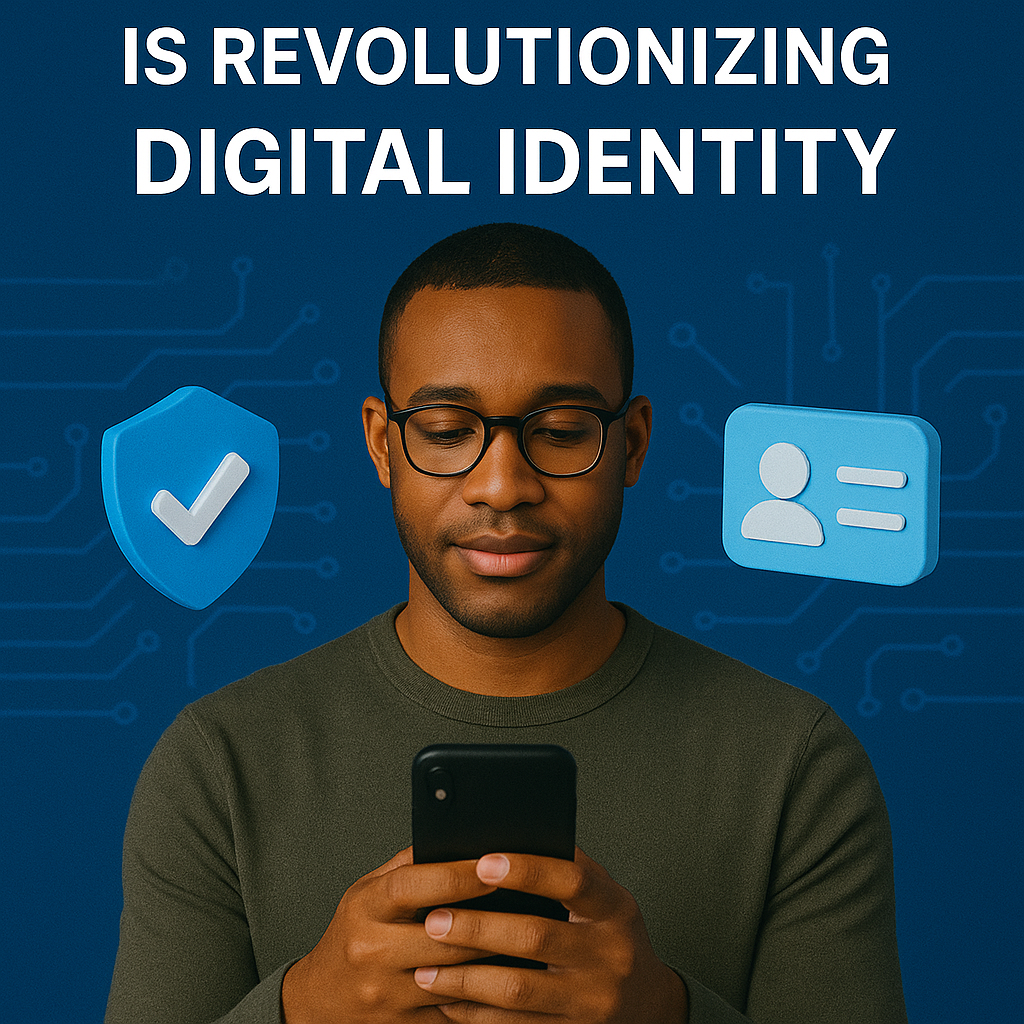
In today’s fast-paced business world, protecting digital identities is crucial. Entrepreneurs and small business owners face the dual challenge of safeguarding sensitive data while managing daily operations. Fortunately, technological advances have paved the way for innovative solutions. Blockchain technology, a linchpin in blockchain digital identity management solutions, is redefining how businesses secure identities. This article explores how blockchain is reshaping digital identity management, offering secure, decentralized digital identity solutions that enhance operations and build trust.
Understanding the New Landscape of Digital Identity
The digital realm is expanding rapidly, and so are the threats to personal and organizational information. Traditional identity management systems, once effective, now struggle to counter sophisticated cyber threats. Blockchain is a game changer in this arena. With its immutable, distributed ledger, blockchain makes data tampering virtually impossible. This innovative approach enables transparent transactions and identity verifications without depending on central authorities.
For many businesses, transitioning to blockchain digital identity management solutions is a crucial step forward. The technology’s core features—encryption, decentralization, and consensus-based verification—are revolutionizing digital identity management. Companies that adopt these solutions benefit from enhanced security and improved control over the identity verification process.
Key Advantages of Secure Decentralized Digital Identity
Blockchain technology is rapidly gaining traction in digital identity management for several compelling reasons. By implementing secure decentralized digital identity using blockchain, businesses enjoy numerous benefits:
Enhanced Security and Privacy
The primary advantage is increased security. Each transaction or data update in a blockchain system is verified and recorded across multiple nodes, eliminating the single point of failure seen in centralized systems. For businesses, this means greater protection against hacks, breaches, and unauthorized access. Furthermore, enhanced privacy settings allow individuals to control who accesses their personal information and how it is used.
Increased Transparency and Trust
Blockchain’s transparent nature builds trust among users. When every participant can view the ledger in real time, customer confidence and regulatory compliance naturally improve. More reliable data integrity encourages investors and partners to engage with the business, a vital asset in today’s digital economy.
Streamlined Verification Processes
Traditional identity verification often involves bureaucratic delays and redundant paperwork. Blockchain simplifies these processes through smart contracts—self-executing agreements with code-based terms. This automation accelerates transactions and minimizes human errors, ensuring a reliable and efficient system overall.
How Entrepreneurs Can Leverage Blockchain for Identity Management
As digital operations become essential for every business, small business owners are turning to secure digital identity strategies to protect their operations. Embracing blockchain technology offers an opportunity to innovate and stay ahead of cyber threats. By adopting revolutionary digital identity solutions powered by blockchain technology, entrepreneurs can safeguard data, streamline operations, and foster customer trust.
Many companies are already integrating blockchain digital identity management solutions into their workflows. This integration not only boosts security but also positions them for future growth. Modern, user-centric blockchain solutions ensure that both businesses and their customers experience smooth, efficient, and secure identity verification.
For example, an online retail platform can use blockchain to verify vendor credentials and customer identities. This dual verification minimizes fraud risks and simplifies regulatory compliance, particularly for small businesses operating across multiple jurisdictions. Additionally, blockchain’s automated identity systems help reduce overhead costs associated with manual verification and data management.
If you are eager to explore innovative digital business strategies and boost your business transformation, discover valuable insights here on effective technology adoption and digital strategies.
Innovative Use Cases and Future Prospects
The applications of blockchain in digital identity management continue to grow across various industries such as finance, healthcare, and education. In finance, blockchain is streamlining Know Your Customer (KYC) processes and speeding up secure transactions. Healthcare providers are utilizing blockchain to securely manage patient records, ensuring that sensitive information is accessible only to authorized personnel. Meanwhile, educational institutions benefit from blockchain’s ability to verify academic credentials and create tamper-proof records.
These examples highlight a broader trend: secure decentralized digital identity using blockchain is set to become a standard. As Forbes notes, innovative blockchain applications are transforming industries by blending operational efficiency with enhanced security. This shift is paving the way for more resilient business models in a digital-first economy.
Looking ahead, blockchain integration in digital identity systems is expected to accelerate. As regulatory frameworks evolve and consumer awareness around data privacy increases, businesses that invest in blockchain technology will gain a competitive edge. With trust built into its very design, blockchain establishes a robust framework for secure digital identities, critical for small businesses aiming to protect their reputation and customer data in competitive markets.
Beyond security, blockchain empowers individuals with self-sovereign identity (SSI) platforms that allow them to manage and control their digital identities independently. Entrepreneurs adopting these solutions not only enhance their operational integrity but also strengthen customer relationships by prioritizing privacy and consent in every digital interaction.
While shifting to blockchain-based identity management may require a change in mindset, its benefits are undeniable. From reducing fraud risks to ensuring compliance with evolving data protection regulations, blockchain is a powerful solution tailored for modern business challenges.
The collaborative nature of blockchain networks means that as more stakeholders join the ecosystem, security and trust grow exponentially. This network effect cements blockchain’s position as a core component of the digital economy, opening doors for innovations once thought to be decades away.
- Blockchain digital identity management solutions provide unmatched security with immutable records and decentralized control.
- The technology simplifies identity verification, reducing both errors and administrative workload.
- Adopting secure decentralized digital identity using blockchain boosts transparency and builds customer trust.
- Future trends point to broader blockchain adoption across industries, reinforcing its role in secure and efficient digital operations.