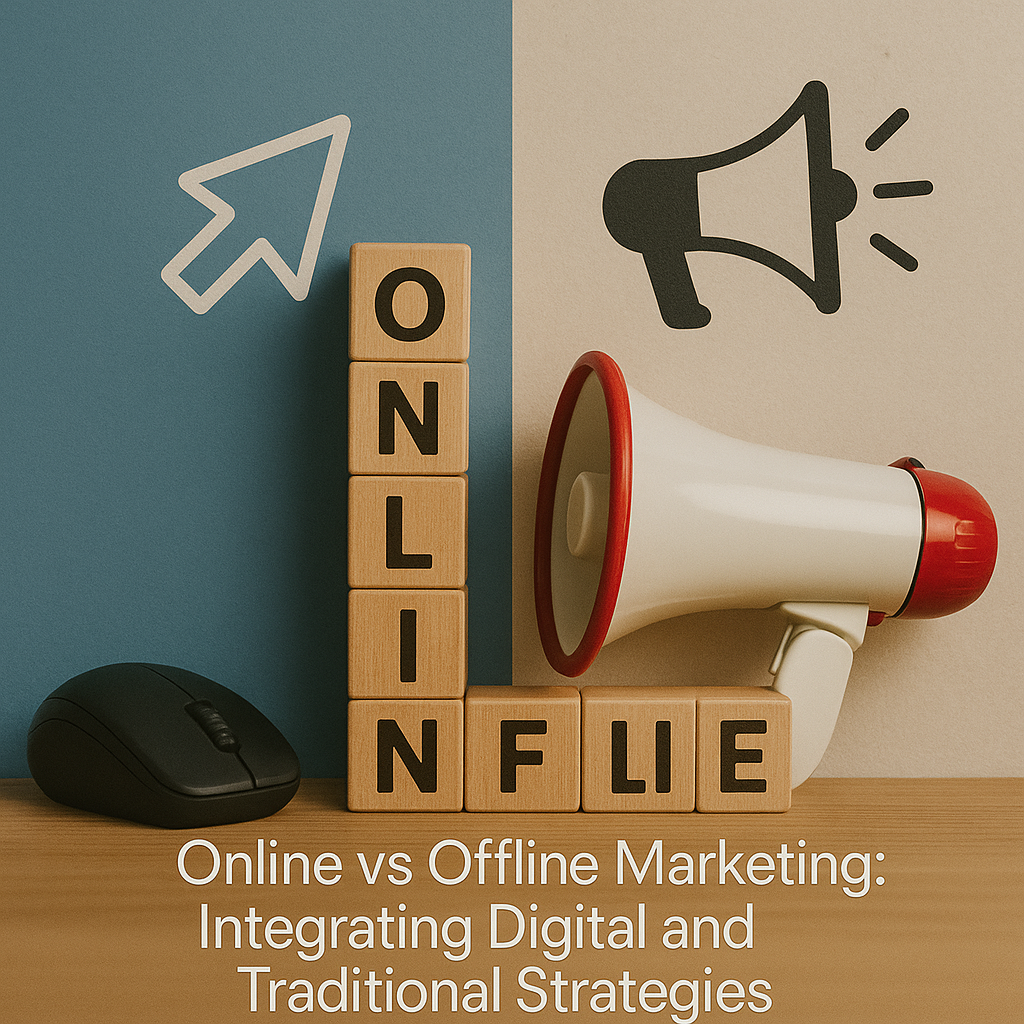
Today’s business landscape demands a marketing strategy that spans both digital and traditional channels. Entrepreneurs and small business owners are discovering that blending online tactics with offline methods creates a powerful synergy, extending your reach and amplifying your brand message. This guide explores effective online and offline marketing integration, providing actionable insights to help you maximize every marketing dollar.
The Benefits of a Dual Marketing Approach
Digital marketing delivers quick, measurable results, while traditional marketing builds enduring trust with your audience. When these two strategies work together, every dollar invested delivers greater value. Imagine sending a direct mail piece that drives recipients to a tailored landing page, or pairing social media ads with reminders about an in-store event. This coordinated messaging can create a compelling narrative that resonates with your audience.
Integrating digital and traditional marketing is not about choosing one over the other; it’s about harnessing the best practices of each. Digital channels offer data-driven decision-making and personalized engagement, while offline methods forge deep emotional connections that sometimes elude online campaigns. Together, these channels enhance the effectiveness of your marketing efforts, boosting both engagement and revenue.
Research from sources like Entrepreneur demonstrates that blending online and offline strategies can significantly increase brand recall and customer engagement. For small businesses with limited budgets, orchestrating a harmonious marketing strategy is essential to achieve maximum impact.
Actionable Tactics for a Seamless Marketing Experience
Start by mapping out your customer journey to identify key touchpoints both online and offline. For instance, if you are hosting a local event and promoting it on social media, maintain consistency in messaging and visual identity across all platforms. This uniformity builds strong brand recognition and trust.
Leverage the strengths of each channel. When launching an email campaign, include a call-to-action that directs recipients to a physical event. Conversely, incorporate QR codes into your offline materials that lead to exclusive online offers. This dynamic interplay creates a feedback loop where digital data enhances offline strategies and vice versa.
Utilize customer data to refine your approach. Insights from online interactions can illuminate which offline tactics drive the best results. Similarly, feedback from in-person surveys or focus groups can sharpen your digital messaging. A seamless flow of data between marketing channels sets the stage for long-term campaign success.
Finding Balance Between Digital and Traditional Tactics
There is no one-size-fits-all solution for online and offline marketing integration. Begin by assessing your business strengths and budget, then tailor your strategy accordingly. For small businesses, investing in a robust website and active social media presence lays a strong foundation. Enhancing this base with local events, print ads, or direct mail can add authenticity and trust. Larger companies, with more extensive resources, can benefit from detailed data analysis and multi-channel campaigns that integrate both digital and traditional best practices.
Constant evaluation is key to finding the right balance. Just as you monitor website traffic and online conversion rates, measure the ROI of your offline activities using customer surveys and in-person feedback. Tracking which tactics resonate with your audience will help you continuously refine your overall strategy.
For example, if an offline promotion consistently drives online engagement, it signals that your audience values a hybrid experience—a crucial insight that can inform future campaigns. Staying flexible and open to change will give you a competitive edge as both digital trends and traditional methods evolve.
Putting Theory into Practice
Effective integration begins with clear objectives. Are you focused on building brand awareness, increasing foot traffic, or boosting online sales? Your goals will guide which online versus offline marketing techniques to employ.
Develop a cohesive branding strategy by ensuring consistency in visuals, messaging, and tone across all channels. For expert advice on integrated marketing solutions, consider visiting MakeBusiness.eu for insights and consultancy services that align with digital and traditional marketing best practices.
Timing and scheduling are essential. For a new product launch, tease the release on digital channels before hosting an offline event, such as a local launch party or in-store demonstration. Follow up with digital retargeting ads to engage both participants and those who missed the event. This coordinated approach ensures that you capture your audience’s attention at every touchpoint.
Storytelling is another critical element. A compelling narrative that spans both online and offline channels humanizes your brand and fosters customer loyalty. When your audience encounters cohesive stories—whether on social media or in a printed brochure—they are more likely to trust your business and become long-term patrons.
Integrating your marketing efforts requires continuous learning and adaptation. While digital platforms offer real-time data and rapid response, offline methods excel at forging personal connections. Combining the strengths of both creates a comprehensive, results-driven approach that sustains business growth.
Always remain curious and ready to experiment. Test different techniques, and be prepared to adjust your strategy when necessary. In a world where consumer behavior is ever-changing, agility is one of your greatest assets.
The goal of online versus offline marketing integration is not to replace one method with the other but to enhance your overall marketing mix. Use your online presence to extend and amplify your traditional efforts. Prioritize balance, leverage data for informed decisions, and maintain a consistent voice. These tactics will help you drive traffic, boost engagement, and build lasting customer relationships.
- Integrate digital and traditional marketing to maximize your reach and impact.
- Leverage data-driven insights and personalized interactions for stronger engagement.
- Maintain consistent branding across both online and offline platforms.
- Use clear objectives, timing, and storytelling to create a cohesive marketing strategy.