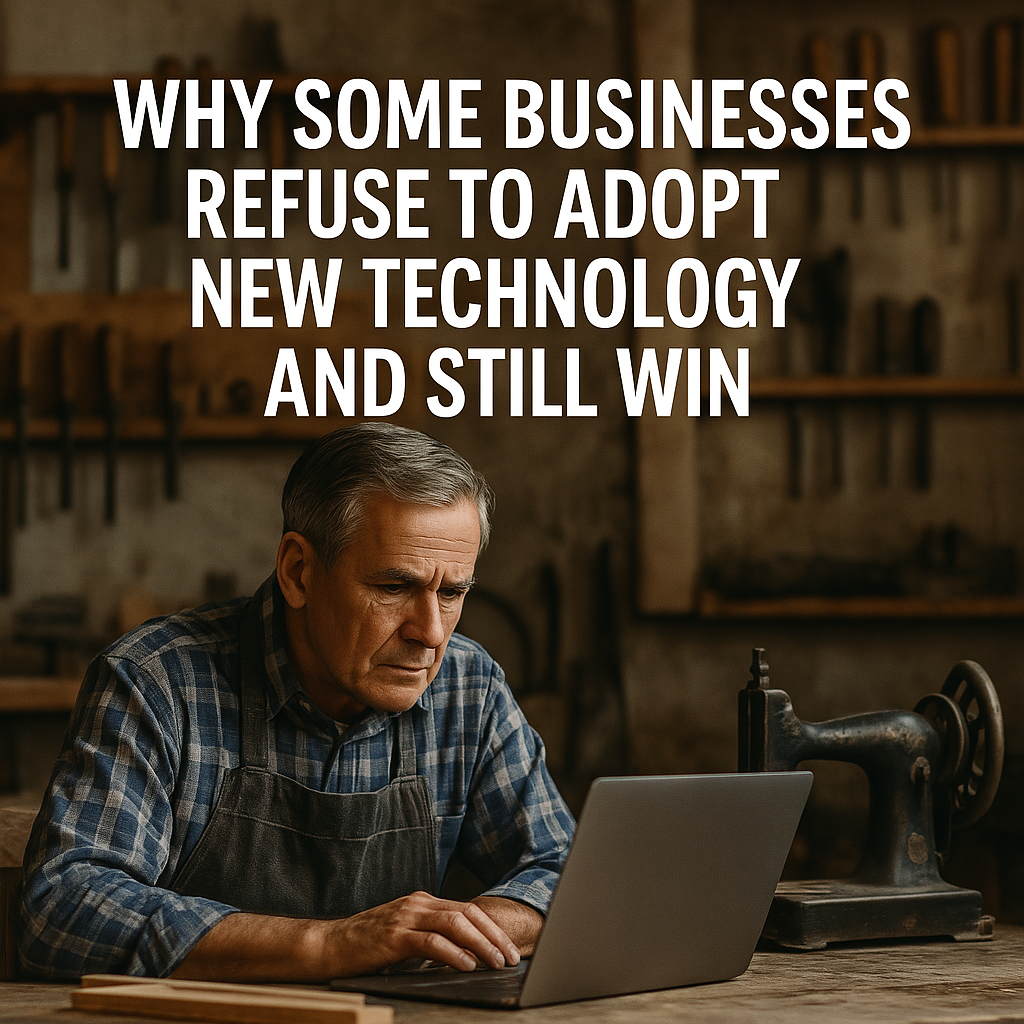
In today’s dynamic business landscape, many entrepreneurs feel compelled to chase every new technological breakthrough. From the latest apps to cutting-edge tools, the pressure to modernize can be overwhelming. Yet, a growing number of companies are choosing to forgo constant tech upgrades and still achieve impressive success. Whether you run a family-owned business or a budding startup rooted in tradition, you’ll be encouraged to know that traditional practices can lead to long-term prosperity.
Embracing a Strategic, Traditional Approach
While technology offers benefits such as increased efficiency and improved communication, some companies succeed by capitalizing on what they already excel at. Instead of investing heavily in every new device or system, these businesses focus on their core strengths: trusted relationships, solid reputations, and an unwavering commitment to quality and service.
By eliminating the distractions of constant technological upgrades, these companies streamline their operations and prioritize customer experience. Their dedication to building lasting relationships and maintaining straightforward business practices allows them to secure a niche—even amidst fierce competition from tech-centric rivals.
Building Strong Brand Loyalty and Word-of-Mouth Marketing
At the heart of non-tech-focused businesses is their commitment to cultivating deep, personal relationships with customers. Clients appreciate face-to-face interactions and value the genuine care shown by companies that invest time in fostering personal connections. This traditional form of customer service often leads to powerful word-of-mouth referrals.
Entrepreneurs who rely on tried-and-true methods emphasize personalized service, timely local responses, and personal engagement. These qualities, difficult to replicate with automated systems, not only retain loyal customers but also attract new ones through credible recommendations.
Sticking to Core Business Values
Many companies today demonstrate that staying true to core values—such as ethics, quality, and community focus—can yield sustainable success. By investing in a strong company culture and prioritizing trusted practices over fleeting digital trends, business owners maintain a clear focus on what truly matters: customer relationships, community reputation, and the excellence of their products or services.
Eliminating the pressure to adopt every new technology gives employees the freedom to innovate and solve problems creatively. This environment fosters a team that understands the business’s mission and is empowered to develop thoughtful, effective solutions, resulting in a resilient and dynamic organization.
Enjoying Lower Overhead and Fewer Distractions
A conservative approach to technology also translates into lower overhead costs. Modern tech investments often require regular spending on hardware, software subscriptions, training, and cybersecurity. For businesses working within tight budgets, minimizing these expenses means redirecting funds toward enhancing product quality or boosting marketing efforts.
By resisting the lure of every new gadget or update, business leaders can avoid the distractions of learning and troubleshooting. This focus enables them to concentrate on strategies that directly contribute to profitability and sustainable growth in a competitive landscape.
Learning from Real-World Success Stories
Numerous examples across industries—ranging from local boutiques to manufacturing firms—demonstrate that success does not always depend on constant technological innovation. These businesses thrive by emphasizing customer satisfaction and operational excellence over the latest digital trends.
For deeper insights, resources like Forbes offer case studies that highlight how resilience, personal touches, and steadfast strategies can overcome the pressures of technological change.
Successful companies often focus on quality and credibility rather than chasing every emerging platform. They selectively adopt technology only when it clearly enhances their core operations, ensuring that their overall business strategy remains aligned with their fundamental values.
Adapting Thoughtfully Without Overhauling
Many entrepreneurs are finding that a balanced blend of tradition and selective innovation offers a winning formula. By carefully evaluating which digital tools truly support their core objectives, companies can integrate technology without compromising their proven business practices.
This thoughtful approach minimizes the pitfalls of over-investing in new systems and avoids unnecessary disruptions. Instead, companies take a measured stance—implementing technology that enhances efficiency while preserving the methods that define their success.
Resources such as Innovative Business Models provide additional insights into strategies that celebrate efficiency and tradition. These platforms affirm that success is multifaceted, and that digital transformation is only one of many paths to growth.
Sustainable Growth Through Focused Innovation
More business leaders are recognizing that success without constant tech adoption is not about clinging to the past—it’s about crafting a sustainable strategy. By concentrating on quality, customer loyalty, and community engagement, companies create a robust model built on trust and consistency.
This strategy encourages innovation within established practices rather than a wholesale digital overhaul. The targeted use of technology helps avoid overreliance on systems that may soon become outdated, while still offering improvements where they truly matter.
A focused approach increases agility and streamlines operations, enabling businesses to better navigate economic challenges and market shifts. It also fosters a work culture where every team member is invested in the company’s success, driving both customer satisfaction and employee commitment.
The story of companies thriving without constant digital upgrades is an inspiring narrative for many business owners. It reinforces the idea that success comes from smart choices tailored to your unique strengths—not from following every new trend.
Ultimately, understanding your market and leveraging your core strengths will build a profitable and sustainable business. Whether rooted in traditional customer service or enhanced by selective tech adoption, clarity, consistency, and confidence are the keys to long-term success.
The evidence is clear: thriving in business isn’t about racing to adopt every new digital tool. It’s about running your company with conviction, careful planning, and a deep respect for the time-tested methods that have guided successful enterprises for generations.
- Focus on customer relationships and proven values rather than being driven by tech trends.
- Selective technology adoption minimizes distractions and preserves core business functions.
- Building trust and brand loyalty can be more impactful than relentless digital innovation.
- A purposeful strategy and balanced approach lay the groundwork for sustainable growth.